How to Install a Programmable Thermostat to Save on Energy Bills
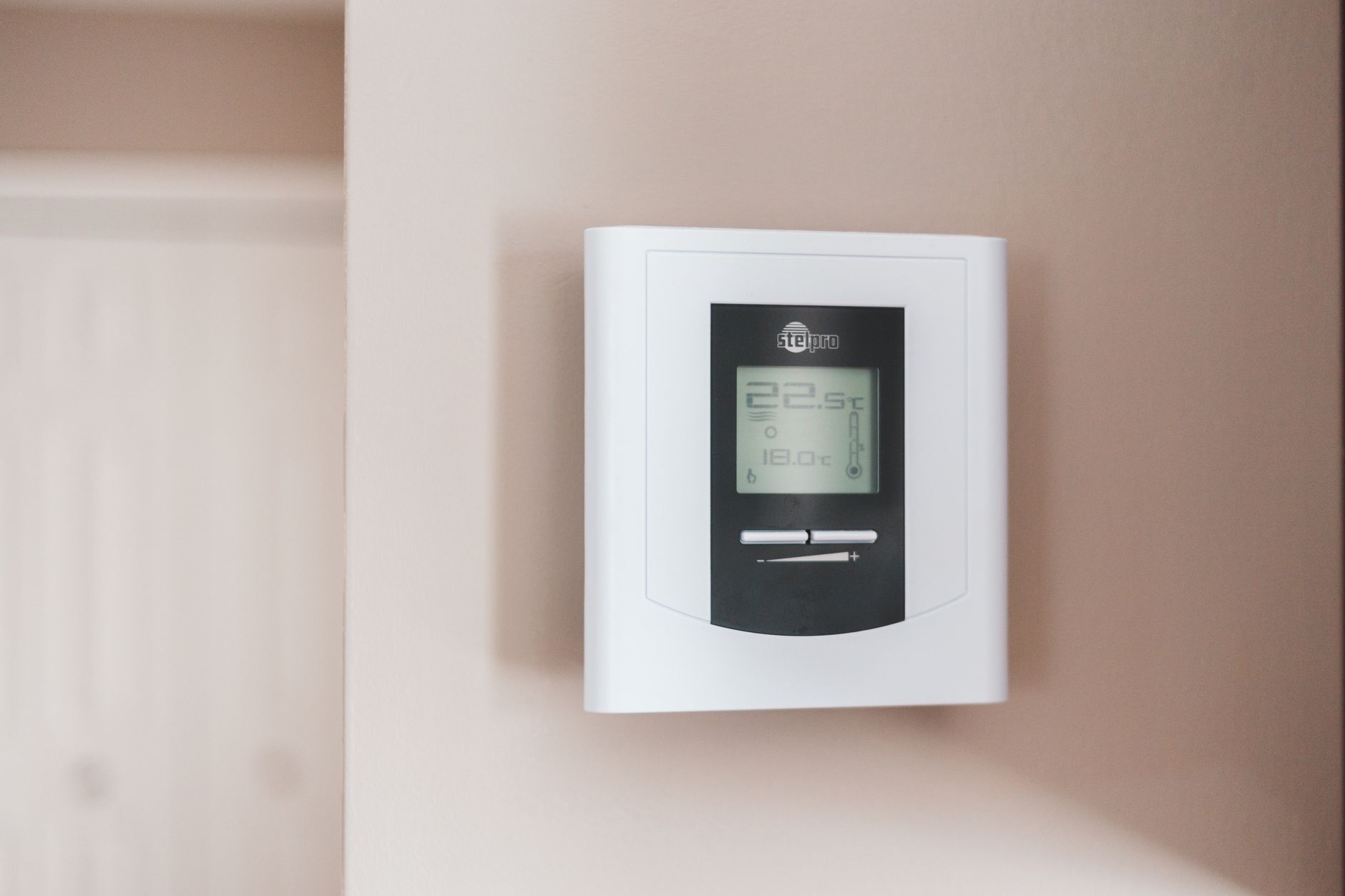
My electric bill last August was two hundred and forty dollars. I live in a one-bedroom apartment. Something was wrong. I looked at my thermostat — a twenty-year-old dial model with a mercury switch — and realized I had been cooling an empty apartment all day while I was at work because I always forgot to turn it up before leaving.
A programmable thermostat cost me thirty-five dollars and paid for itself in six weeks. The install took less than twenty minutes.
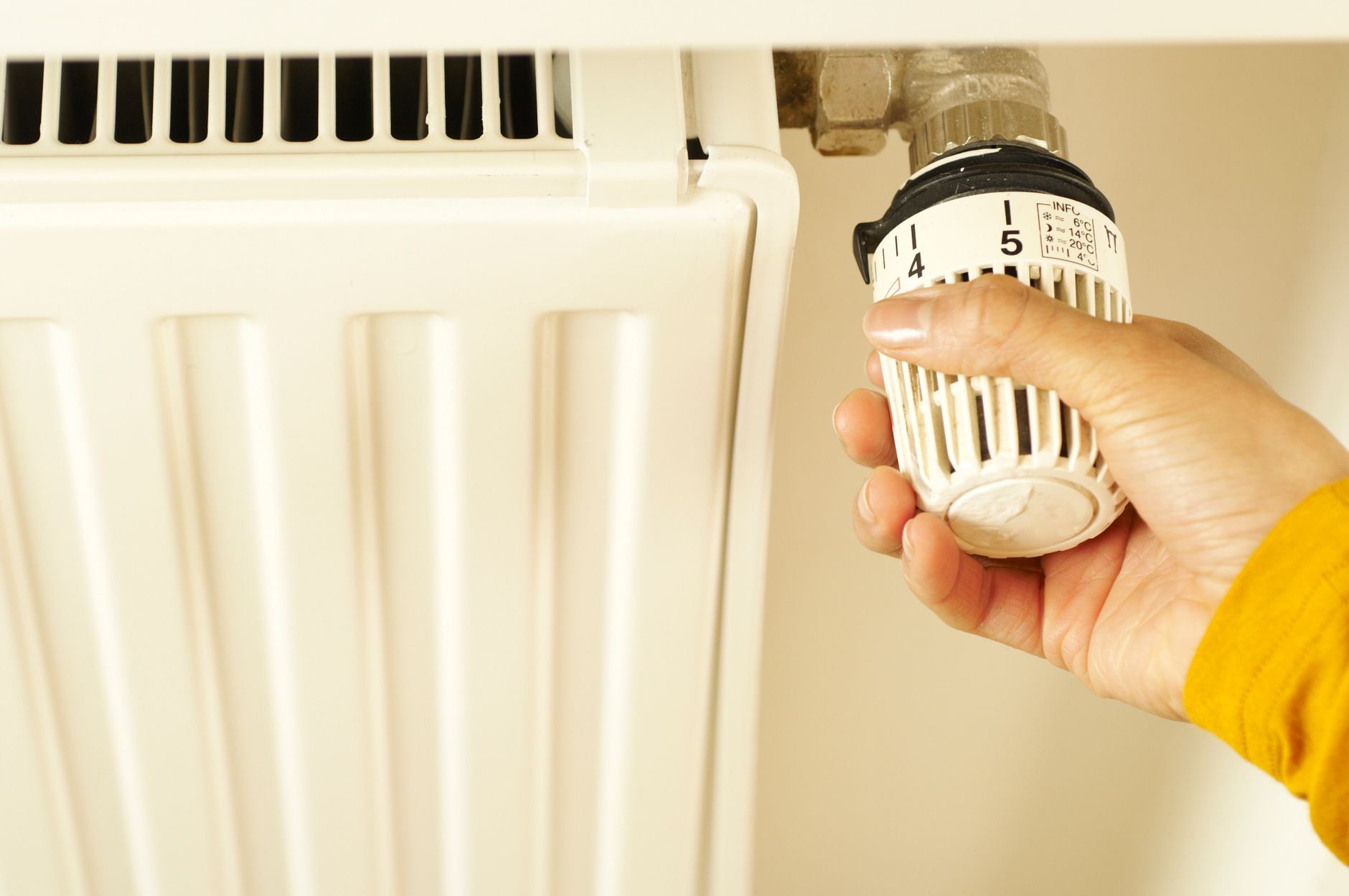
Important safety note: turn off the breaker
Before you touch a single wire, go to your electrical panel and turn off the breaker for your HVAC system. Thermostats run on low voltage — twenty-four volts — so they will not shock you badly. But if you accidentally short the wrong wires together, you can blow a fuse on your furnace control board. That is a hundred-dollar service call for a two-dollar fuse. Turn off the breaker.
What you need
- New programmable thermostat (Honeywell, Nest, Ecobee, whatever fits your budget)
- Small flathead screwdriver
- Phone camera
- Maybe a drill with a small bit if the new mounting plate does not align
The install
- Take a photo of the old wiring. Before you disconnect anything. This is your undo button. Make sure you can read the terminal labels in the photo.
- Remove the old thermostat faceplate. Usually it just pulls off. The wires stay attached to the wall plate.
- Label the wires. Most new thermostats come with little sticker labels. Match each wire to its terminal label — R, W, Y, G, C. If your old thermostat does not have labeled terminals, match by color: red to R, white to W, yellow to Y, green to G, blue or black to C. If you have a heat pump, there will be an orange wire to O/B.
- Disconnect the old wall plate and screw the new one to the wall. Use the little bubble level that usually comes built into the new plate.
- Connect the wires to the matching terminals on the new thermostat. Push them in firmly and give each a gentle tug to confirm they are seated.
- Snap on the new thermostat and turn the breaker back on.
- Follow the on-screen setup. Choose your system type — gas furnace, electric heat pump, etc. — and set your schedule.
The schedule that actually saves money
Set it to eight degrees away from your comfort zone during the hours nobody is home. In summer, let it go to eighty-two while you are at work, then drop to seventy-four an hour before you get back. In winter, sixty-two during the day, sixty-eight in the evening. The Department of Energy says this saves about ten percent a year on heating and cooling.
📋 Quick Summary: Turn off the breaker, photograph the old wiring, label every wire, connect to matching terminals on the new thermostat, and set an 8-degree setback for when nobody is home.