How to Keep Road Trip Snacks From Melting in a Hot Car
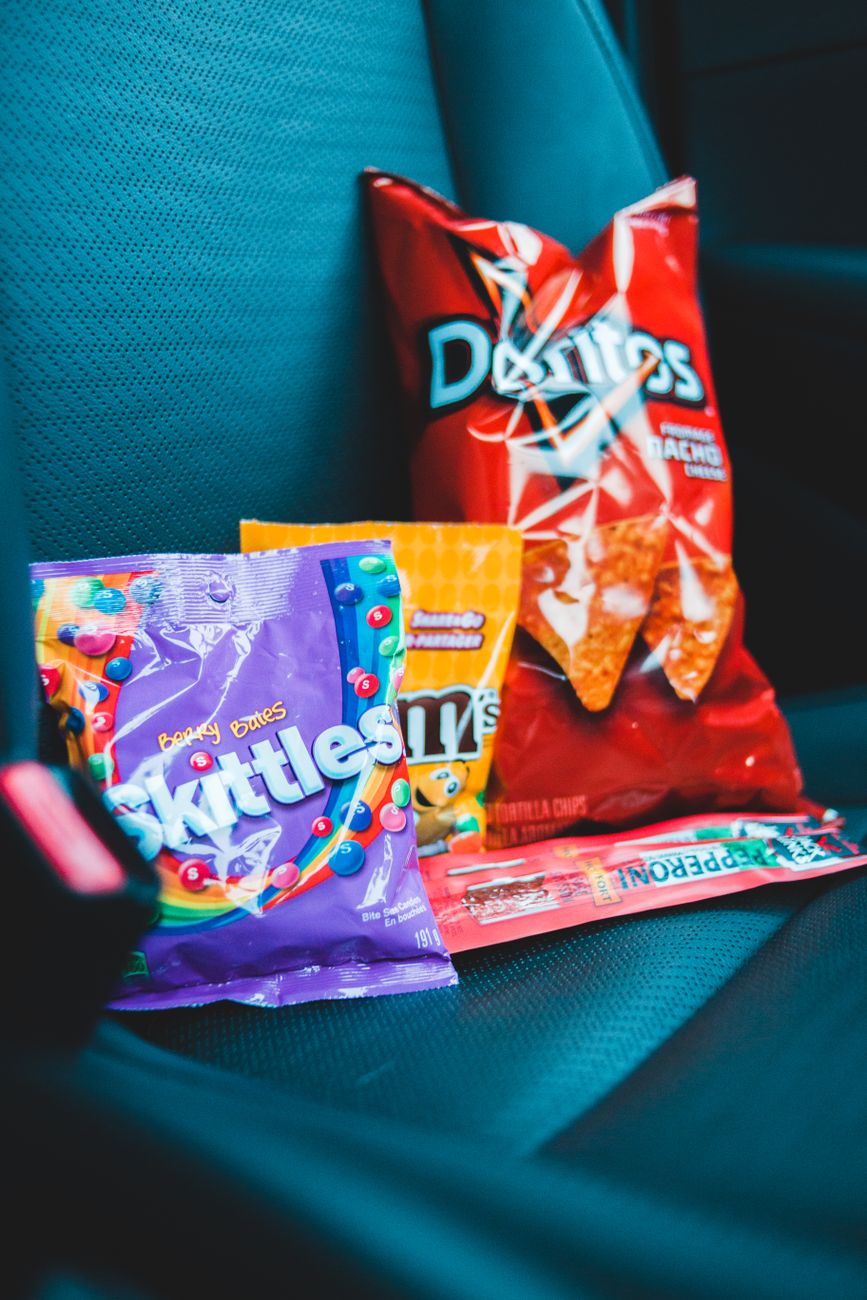
Somewhere between Arizona and nowhere, I reached for the chocolate I had stashed on the passenger seat and found a brown smear inside the wrapper. That was the summer I learned that a parked car in July is basically a slow oven, and snacks need the same protection as people do.
Keep chocolate out of direct sun
Chocolate melts around 93 degrees, and a car interior can hit 140 degrees in the sun. Anything chocolate should ride in a cooler, not on the seat. Even in the shade of the car, the center console heats up fast. If you are traveling with chocolate, wrap it in a towel inside a cooler, or plan to eat it in the first couple of hours before the car heats up.
The insulated bag rule
A basic insulated lunch bag changes everything for a road trip. Line it with a freezer pack or a frozen water bottle and you have a mini cooler for snacks. The frozen bottle pulls double duty: it keeps snacks cold and later becomes drinking water. I pack one frozen bottle per person and they thaw slowly enough to last most of a day in the back seat.
Think about what else melts
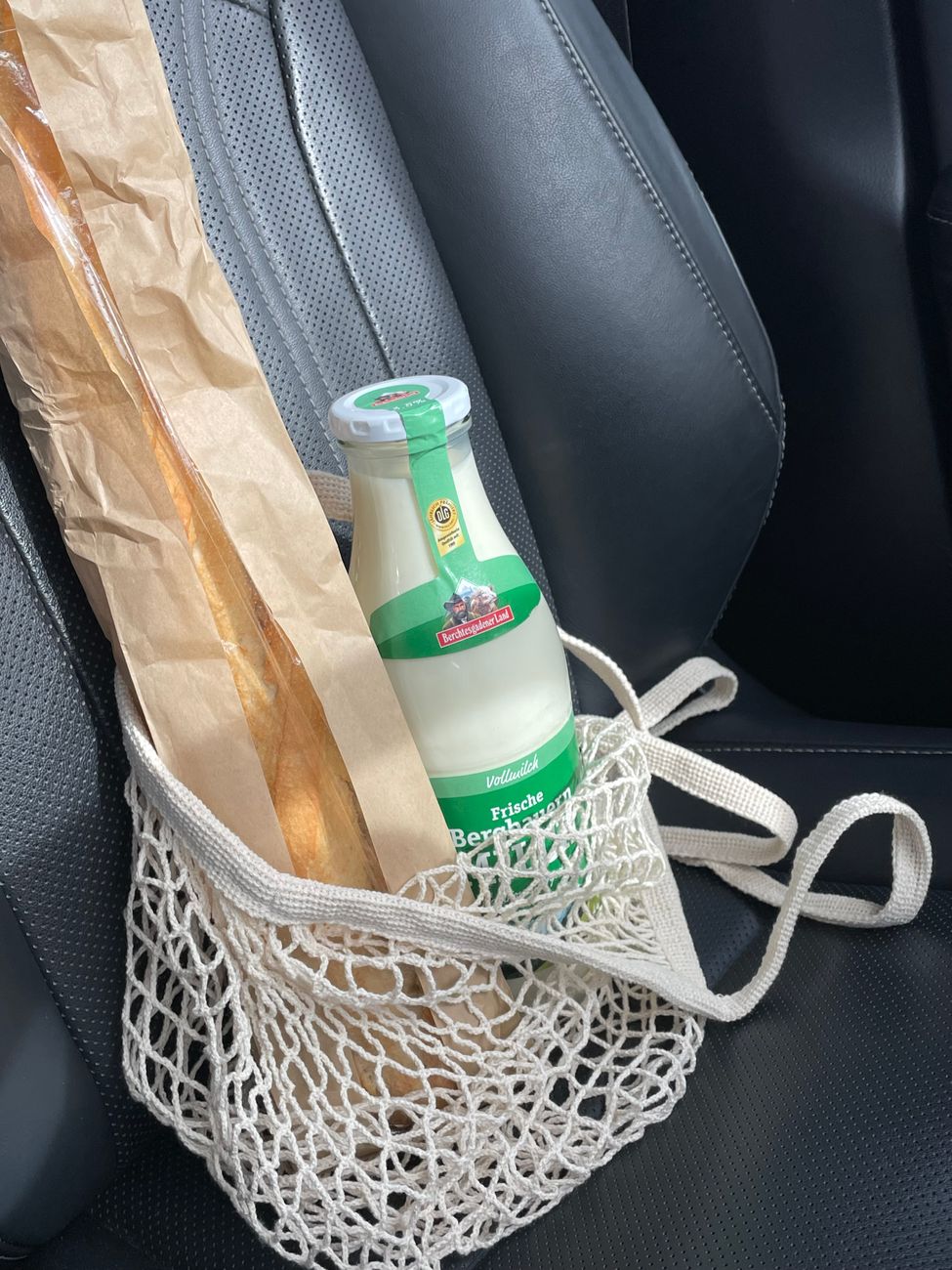
It is not just chocolate. Crackers get stale, fruit gets warm, and anything with dairy turns into a risk. Granola bars are fine, but yogurt cups and string cheese need the cooler. Chips survive heat but the bags can puff up and burst in extreme heat, so crack the bag or move them somewhere cooler. Soda cans left in a hot car can leak or, in rare cases, rupture. Bring cans into the hotel overnight and do not leave drinks baking in the sun all day.
Use the car’s own cool spots
The floor behind the front seats stays cooler than the dashboard or the seat. The trunk is often the coolest place in the car, but only if you remember to grab it at rest stops. I keep a dedicated snack bag in the trunk and a smaller day bag in the cabin with just what we need for the current stretch. That way the snacks do not get cooked by the time we actually want them.
A simple packing order
- Frozen water bottles go in first as the base layer.
- Cold items like cheese and yogurt go next to the bottles.
- Chocolate goes in the middle, wrapped so it cannot touch the frozen bottles directly and freeze.
- Dry snacks like chips and crackers ride on top, out of the cold zone.
The cooler does not need to be fancy to work. A $10 insulated bag and two frozen bottles kept our snacks edible across a nine hour drive in August. The only casualty that trip was a bag of pretzels that got crushed, and that was my fault for sitting on it.
📋 Quick Summary: Keep chocolate and dairy in an insulated bag with frozen water bottles, stash snacks in the car’s cooler spots, and store drinks away from direct sun.