How to Fall Asleep in 5 Minutes With the Military Method
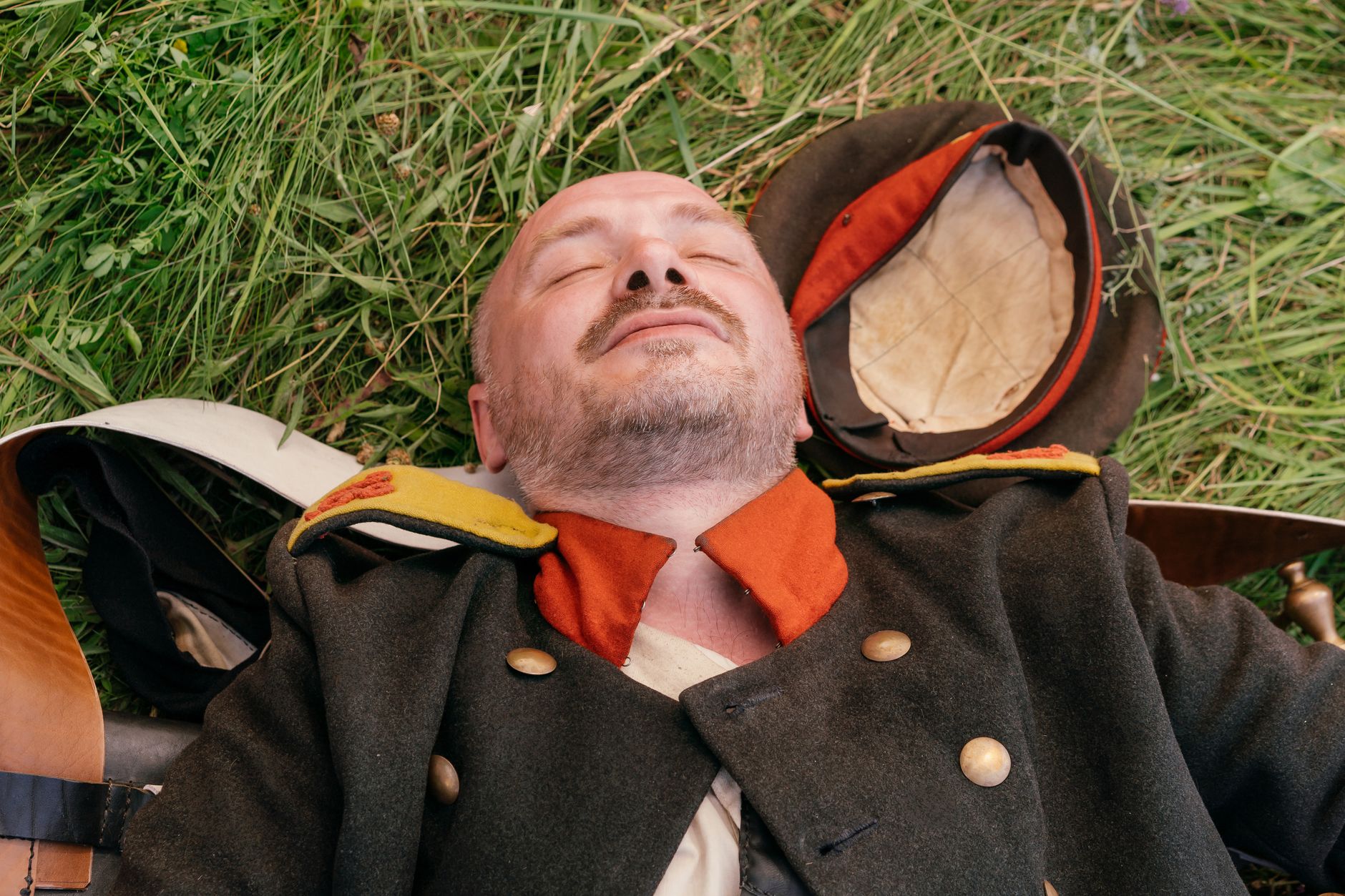
I went through a stretch a few years ago where I could not fall asleep before 2 AM. My brain would not shut up. I would lie there replaying conversations from that day, worrying about things that were at least three steps removed from reality, composing emails I was never going to send. The more I tried to force myself to sleep, the more awake I got.

Where This Method Comes From
The military sleep method was reportedly developed for US Navy pilots who needed to fall asleep in chaotic environments — on a ship, in a cockpit seat, with noise and stress and adrenaline. The claim is that it works for 96 percent of people after six weeks of practice. I have no way to verify that number, but I can tell you it worked for me in about two weeks.
The Method, Step by Step
- Relax your face. All of it. Your jaw, your tongue, the muscles around your eyes. Let your face go completely slack. Check your forehead — if it is furrowed, relax it. Check your jaw — if your teeth are touching, separate them slightly. Your whole face should feel heavy and loose.
- Drop your shoulders. Let them fall as low as they can go. Release any tension in your neck. Then relax one arm at a time, starting with your dominant side. Feel your upper arm go limp, then your forearm, then your hand and fingers. Repeat on the other side.
- Breathe out slowly and relax your chest. Let your ribcage sink. Focus on deep, slow exhales. The exhale is what triggers the parasympathetic nervous system — the “rest and digest” state. Inhale for 4 counts, exhale for 6 to 8 counts.
- Relax your legs. Let your thighs go heavy. Release your calves. Let your feet fall outward naturally. Feel the weight of your legs sinking into the mattress.
- Clear your mind for 10 seconds. This is the hard part. The military method suggests visualizing one of two scenes: you are lying in a canoe on a calm lake with nothing but blue sky above you, or you are in a black velvet hammock in a pitch-dark room. If thoughts intrude, do not fight them — just return to the image. Repeat “don’t think” in your head for 10 seconds if the visualization keeps getting interrupted.
The first few times I tried it, I would get to step 5 and my brain would immediately go “okay but what about that thing at work tomorrow.” The trick is not to get frustrated. Just notice the thought and go back to the canoe. Over and over. It is a skill. You get better at it.
Why It Works
The physical relaxation steps trick your body into thinking it is asleep, which then signals your brain to follow. The muscle relaxation lowers your heart rate and blood pressure. The slow exhales engage the vagus nerve. The visualization occupies the part of your brain that would otherwise be generating anxious thoughts.
It took me about a week to get the muscle relaxation right and another week to stop fighting the mental part. By week three, I was falling asleep in what felt like minutes. Not exactly five minutes every time, but close enough that I stopped dreading bedtime.
📋 Quick Summary: Relax face muscles → drop shoulders → slow exhale → relax arms → relax legs → clear mind with a calm visualization for 10 seconds. Takes practice. Works by tricking your body into sleep mode so your brain follows.
I still use this when my brain gets loud at night. It is not magic — it is training. But it is the only thing that has consistently worked for me.