The Paint Touch Up Trick for Walls You Painted Years Ago
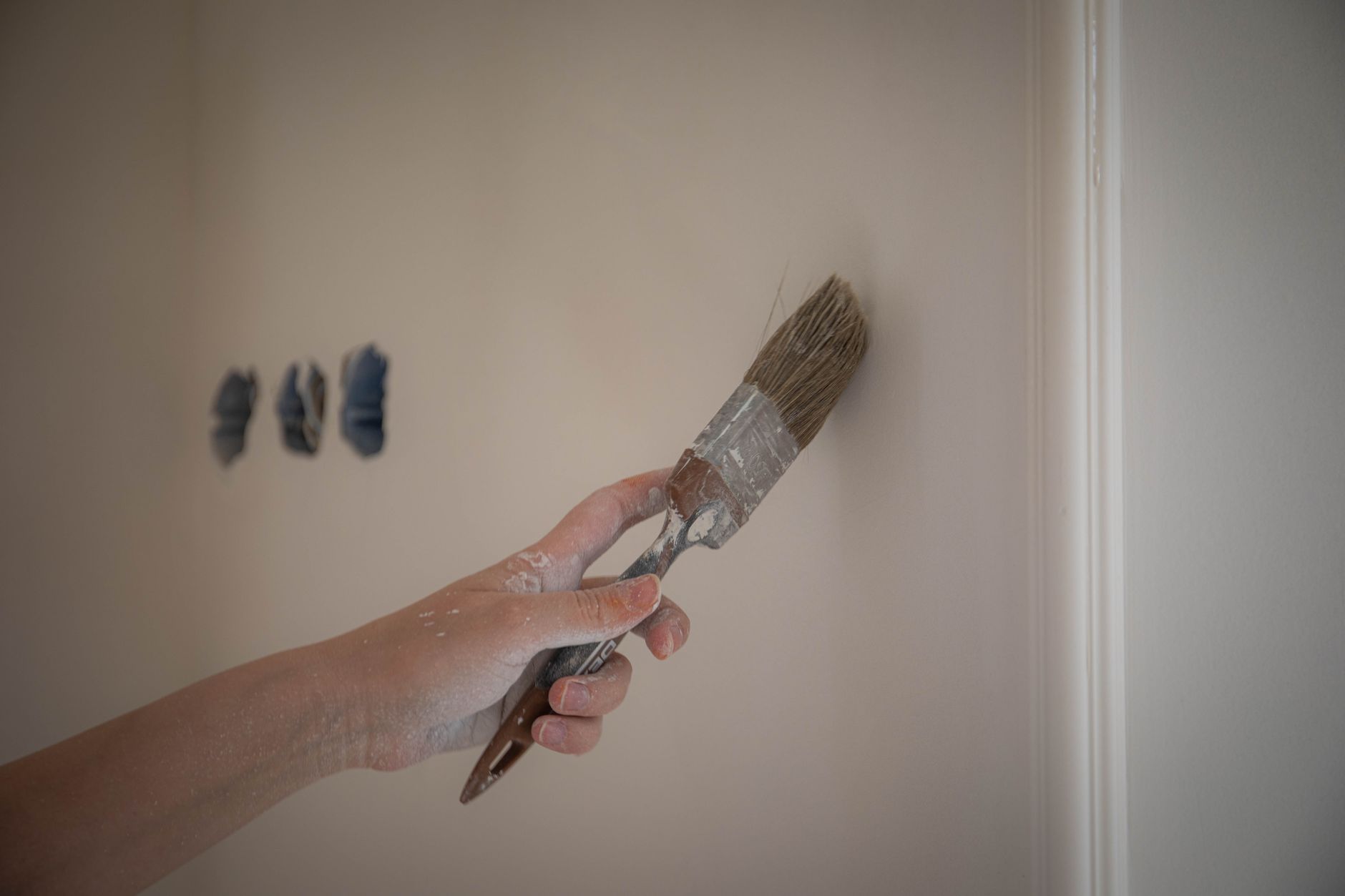
You know that one spot on the living room wall — the one where you moved the couch and discovered a gouge, or where the door handle has been hitting the wall for years? You have the original paint can in the basement. You dab some on with a brush. It looks worse than before. A shiny patch in a matte sea.
This happens because paint ages. It fades. It gets dirty. And a brush applies paint differently than a roller. Here is how to make a touch-up actually blend in.
Clean the area first
Years of dust, cooking grease, and hand oils coat your walls in a thin film you cannot see. Wipe the area with a damp sponge and a drop of dish soap. Let it dry. If you paint over grime, the new paint adheres to the grime, not the wall, and it will peel or look different from the surrounding area.
Use a roller, not a brush
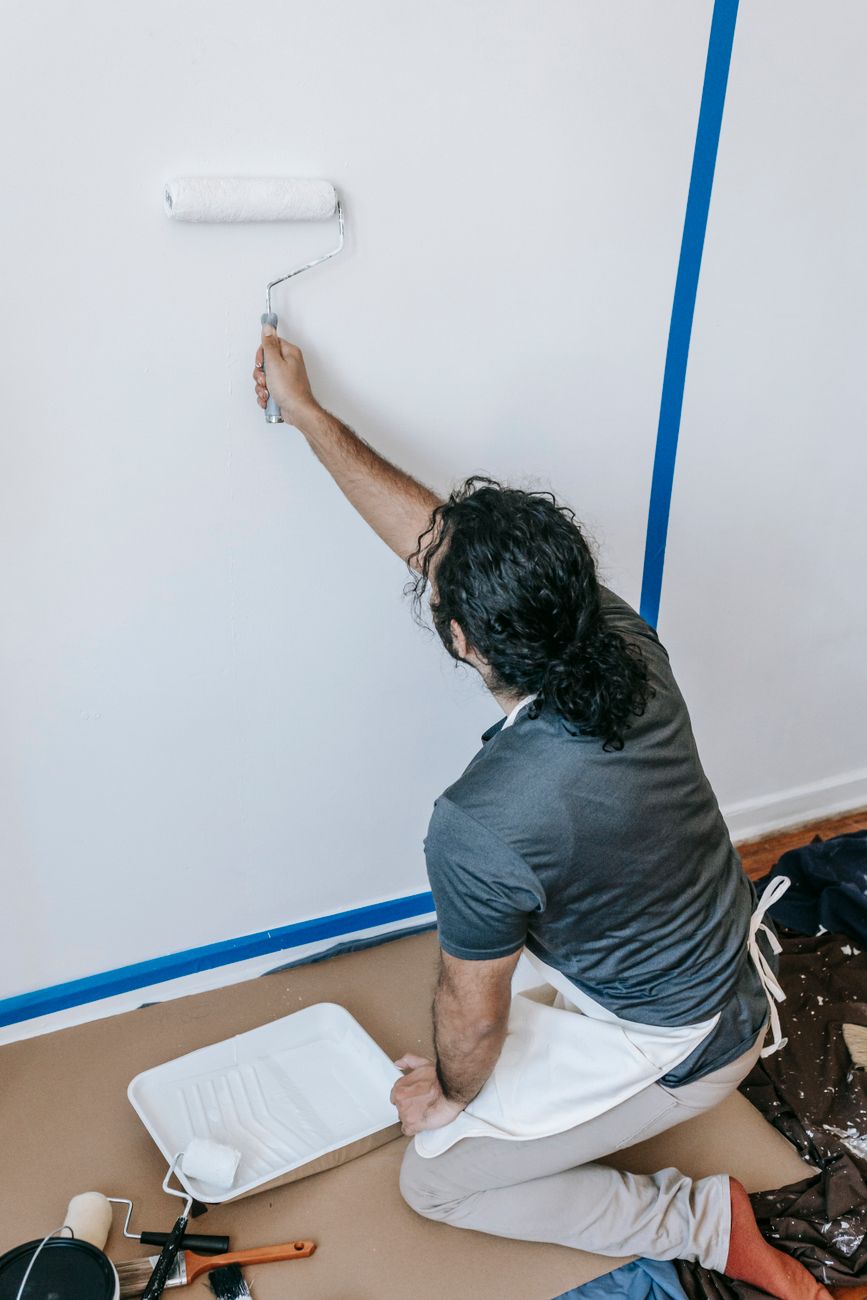
Brushes leave brush marks. Rollers leave the same stipple texture as the original paint job. Use a small foam roller (4 inches wide) for touch-ups. Load it lightly — you want thin coats, not one thick blob. Roll in one direction, then feather the edges by rolling with almost no pressure outward from the patch into the surrounding wall. This blends the new paint into the old.
Thin the paint slightly
Old paint in the can has often thickened. Add a tiny amount of water (for latex paint) — like a teaspoon per cup of paint — and stir well. Thin paint self-levels better and does not leave a raised edge. Do not over-thin; you are just restoring the original consistency.
If the color does not match anymore
Take a chip of the existing paint (cut a small square with a utility knife, about the size of a quarter) to the paint store. They can color-match it with a spectrophotometer. The match will be close but rarely perfect. Apply it using the feathering technique described above and the transition will be invisible from more than a foot away.
📋 Quick Summary: Clean the wall first, use a small foam roller instead of a brush, thin old paint slightly with water, and feather the edges outward to blend. For color mismatch, get a spectrophotometer match at the paint store.