Unclog a Bathroom Sink Drain Without Harsh Chemicals
The water in my bathroom sink was draining slower and slower. By the time I decided to deal with it, you could brush your teeth, walk away, and come back two minutes later to find the water still sitting there. Gross.
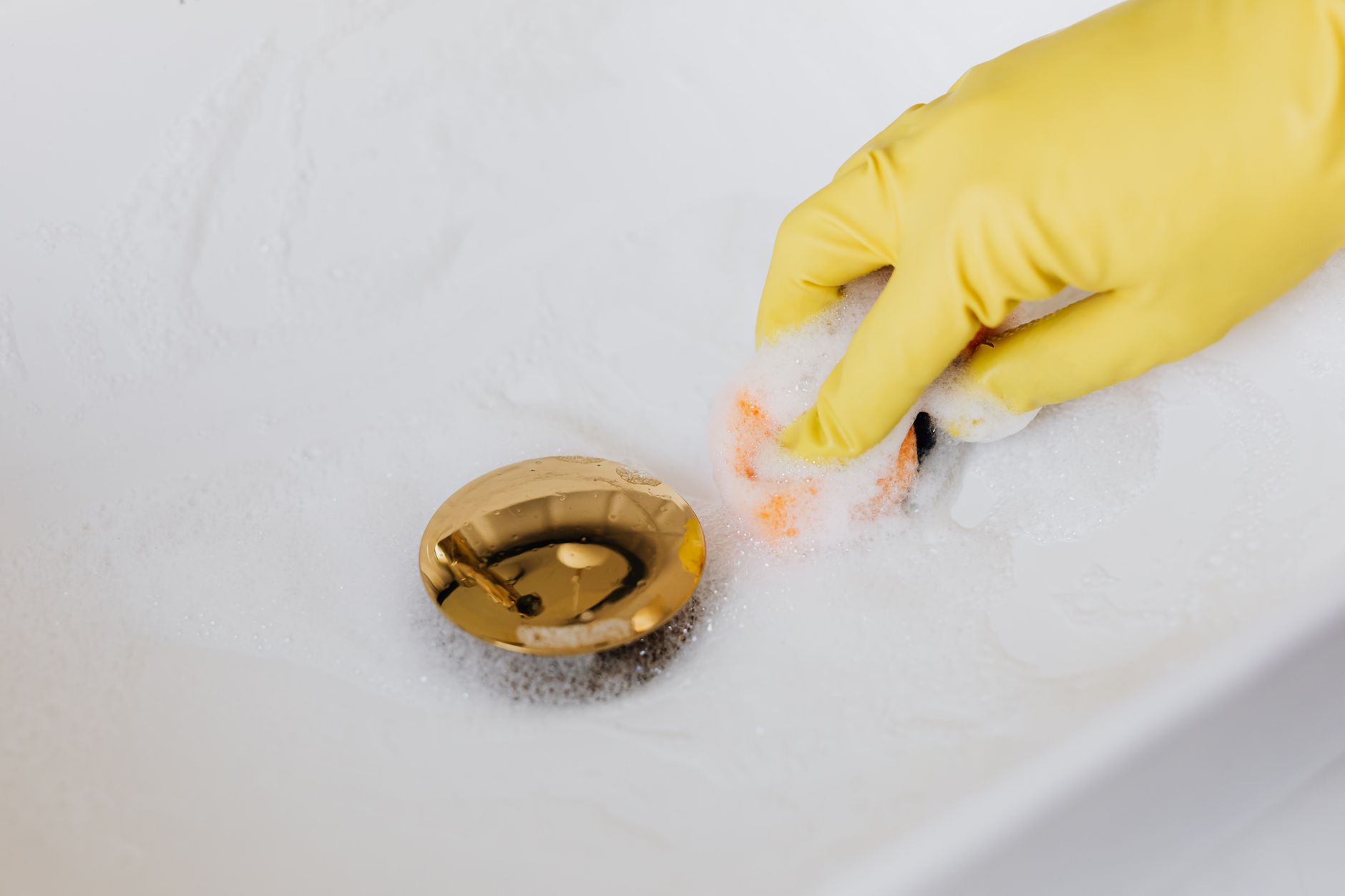
I almost bought Drano. Then I remembered that Drano is basically lye — it can damage old pipes, it is terrible for the environment, and if it does not work, you now have a pipe full of caustic chemicals that a plumber has to deal with. I tried the natural approach first. It worked in twenty minutes.
Step one: Remove the stopper and clean the hair
Bathroom sink clogs are almost always hair and soap scum trapped in the stopper mechanism. The stopper is the thing you push or pull to plug the drain. Most of them unscrew or pop out — look underneath the sink for a rod connected to the drain pipe. Unscrew the nut holding the rod, pull the rod out, and the stopper lifts right out of the sink.
It will look disgusting. A wad of black, slimy hair wrapped around the stopper. That is your clog. Clean it off, wipe the stopper, reassemble. For about half of slow drains, this alone fixes it.
Step two: Baking soda and vinegar
If the drain is still slow, the clog is deeper in the pipe. Pour half a cup of baking soda directly down the drain, followed by half a cup of white vinegar. The mixture will foam and bubble — that is carbon dioxide being released, and it physically pushes grime off the pipe walls. Cover the drain opening with a wet cloth or the stopper to force the reaction downward instead of up.
Wait fifteen minutes. Then pour a kettle of boiling water down the drain to flush everything through. Boiling water, not just hot tap water. The heat melts soap scum that the baking soda loosened. Run the faucet for a minute. If the water flows freely, you are done.
Step three: The P-trap
If neither of those works, the clog is in the P-trap — the U-shaped pipe under the sink. Place a bucket underneath, unscrew the two slip nuts by hand, remove the trap, and clean it out. This is gross but straightforward. Most P-traps are hand-tightened plastic. No tools needed. Have the bucket ready because the water sitting in the trap will spill out.
I avoided this step for years because I thought plumbing was complicated. The P-trap is designed to be removed for exactly this reason. Five minutes, zero tools, and my sink drained like new.
📋 Quick Summary: First, pull the stopper and clean the hair off — that alone fixes half of slow drains. If not, baking soda + vinegar + boiling water. Last resort: remove the P-trap. All three steps use zero harsh chemicals.