Patch Drywall Holes from Nails Anchors and Doorknob Accidents Like a Pro
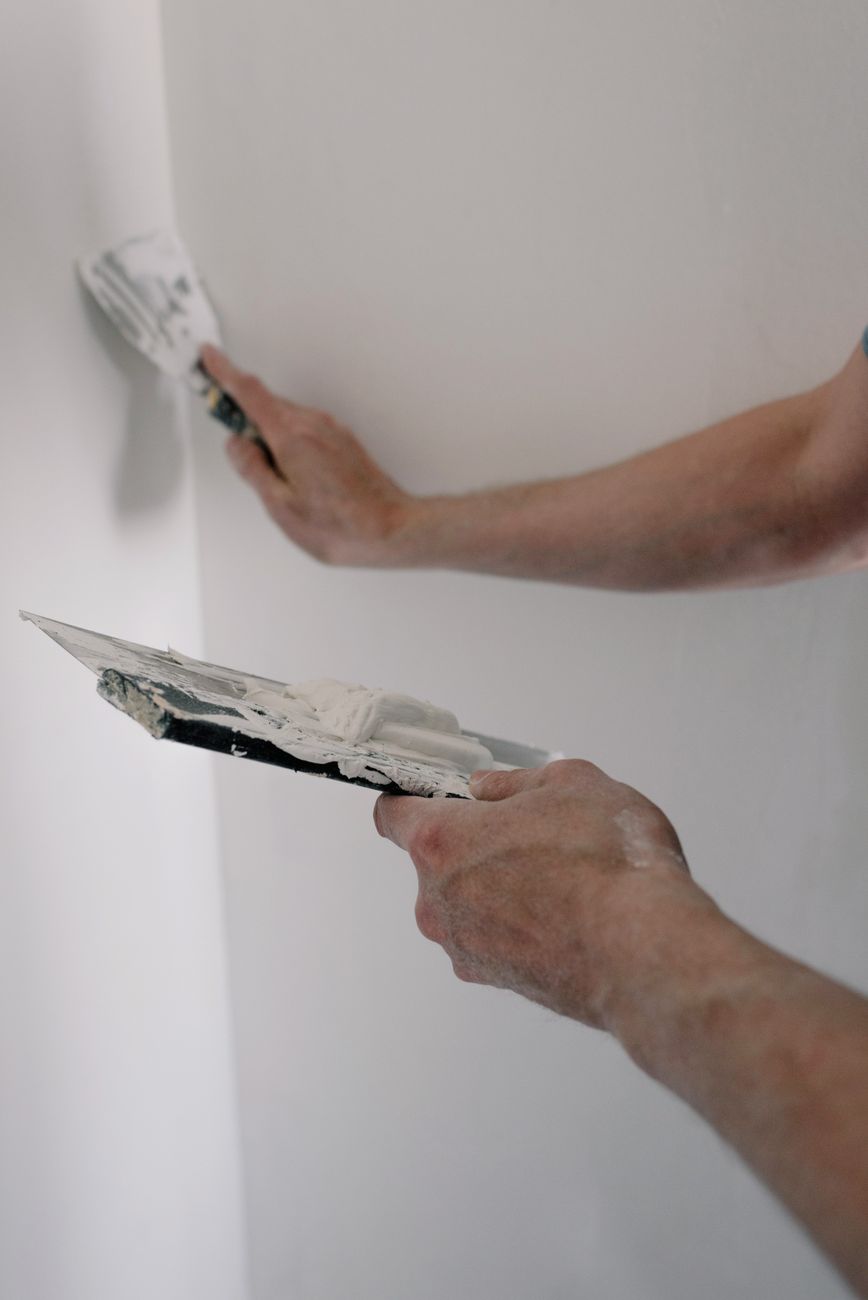
The doorknob shaped hole in my hallway wall had been there for two years. Every time a guest used the bathroom, the door swung open too enthusiastically and the knob punched into the drywall. I’d gotten used to it. The hole had become furniture.
When my landlord announced an inspection, I had forty eight hours to become a drywall repair person. Here’s what I learned: patching holes is mostly about patience between steps, not skill.
Small holes (nail holes, picture hooks)
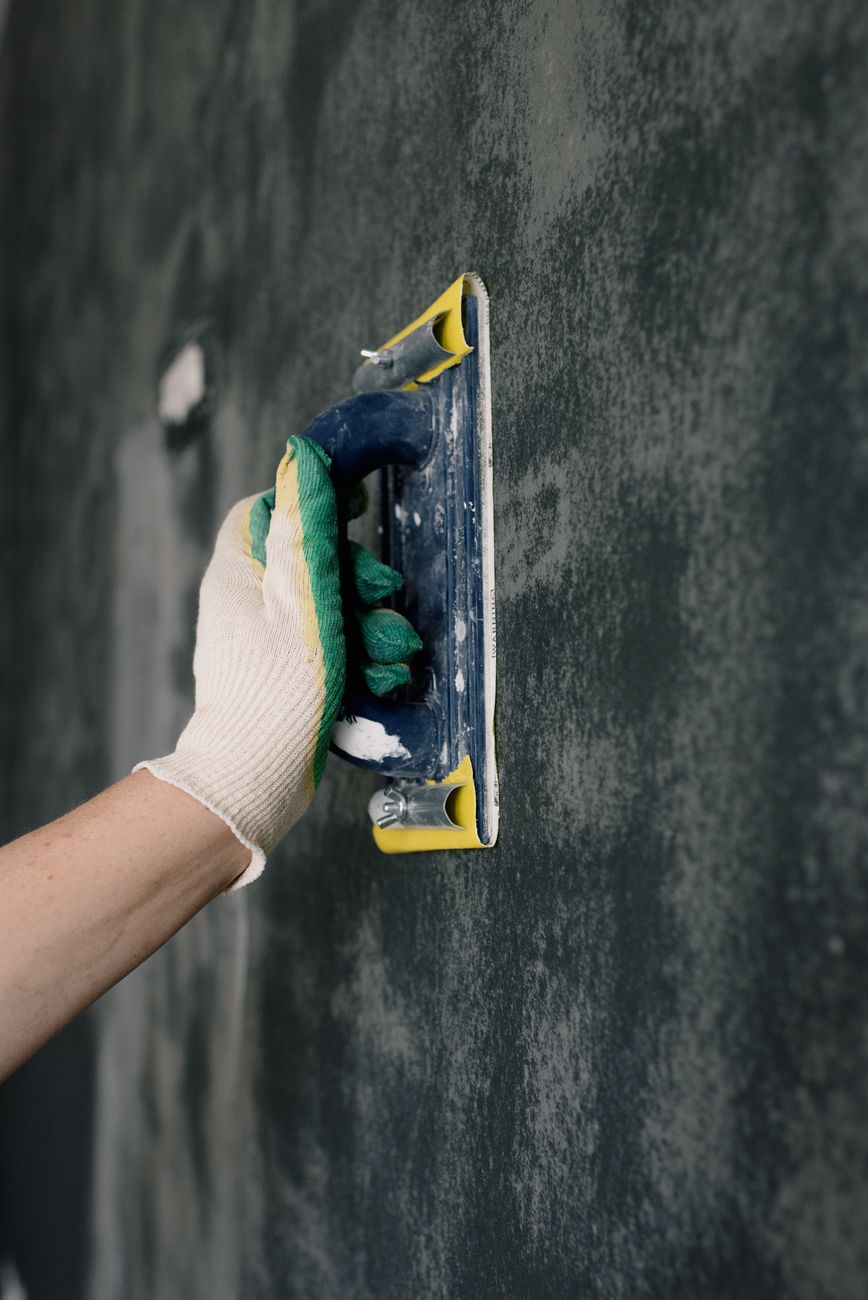
These are the easiest. Squeeze a tiny dab of spackle onto your finger and press it into the hole. Swipe across the hole with your finger to level it with the wall surface. Let it dry completely — at least an hour, ideally two. Sand with a fine grit sanding sponge until flush. Touch up with paint.
The mistake people make is overfilling. You want the spackle slightly proud of the surface because it shrinks as it dries. A tiny bump sands down. A divot needs a second application.
Medium holes (anchors, screws, doorknob dents)
For holes up to about the size of a quarter, spackle alone works but you need to build it in layers. Fill the hole about two thirds deep, let it dry, then apply a second coat to bring it flush. Trying to fill it all at once results in the spackle sagging or cracking as it dries.
Remove the old anchor before filling. Grab the edge with needle nose pliers and twist it out. If it won’t budge, push it through into the wall cavity. It’ll live there forever but it’s not hurting anything.
Large holes (fist sized or bigger)
For anything bigger than a quarter, you need backing behind the spackle. The easiest fix: buy a self-adhesive mesh patch from the hardware store. It’s a square of aluminum mesh with adhesive around the edges. Stick it over the hole, spackle over it, let dry, sand, spackle again, sand again, paint.
Feather the edges. When you apply spackle, spread it out several inches beyond the patch in all directions and taper the edges thin. This blends the repair into the surrounding wall so you don’t see a raised rectangle after painting.
The paint problem
Matching old paint is the hardest part. If you don’t have the original paint can, chip off a piece of painted drywall about the size of a quarter — from inside a closet or behind a switch plate — and take it to the paint store for color matching. Paint the entire wall, not just the patch. Even an exact match will show as a slightly different sheen if you just spot-paint.
📋 Quick Summary: Nail holes: finger dab of spackle. Medium holes: fill in two layers. Large holes: mesh patch + spackle, feathered edges. Paint the whole wall, not just the patch. A spackle job is 90% waiting for things to dry.