The Best Time to Take a Nap So You Wake Up Refreshed Not Groggy
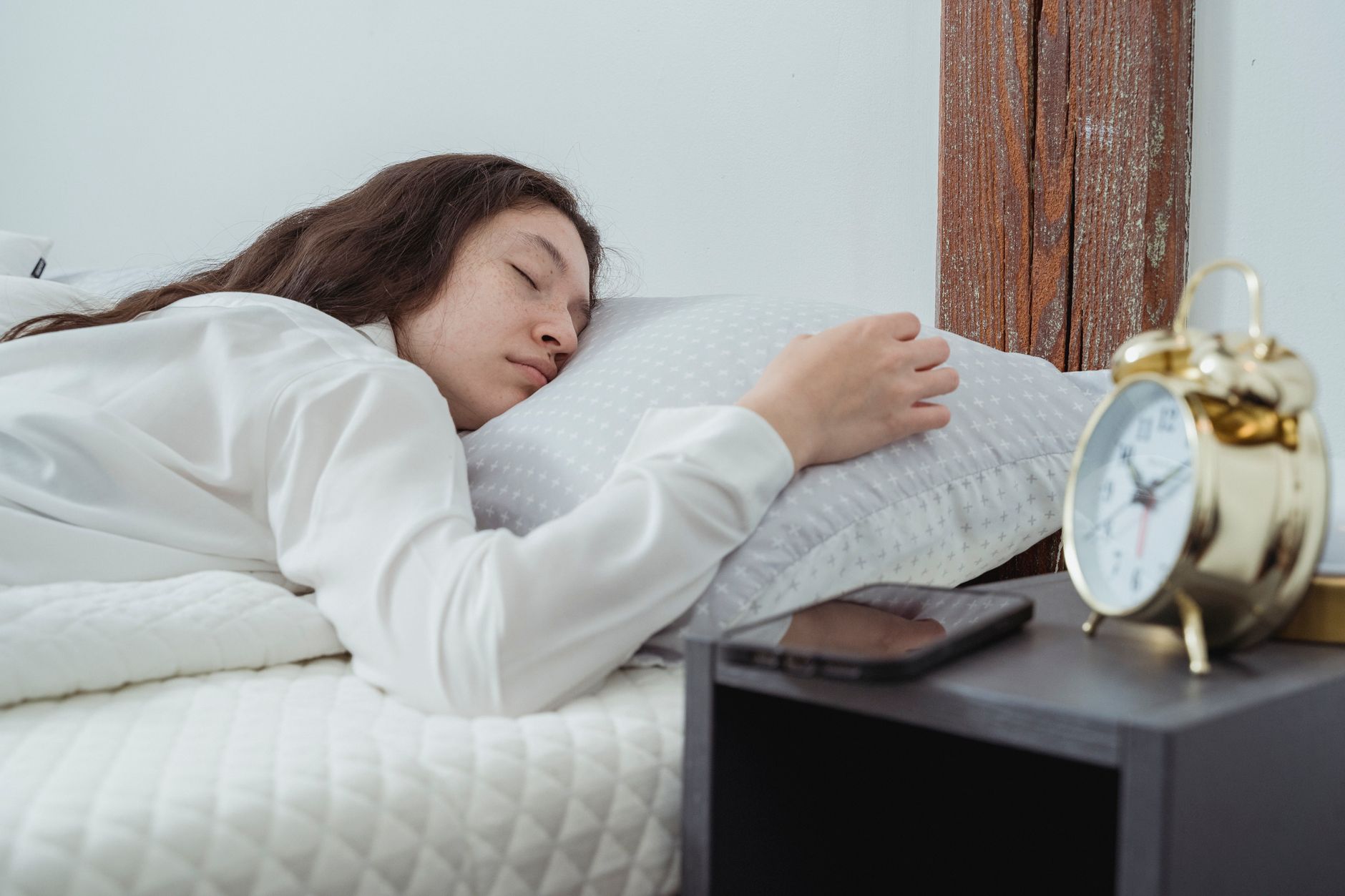
I once took a nap at 3 p.m. and woke up at 6:30 p.m. feeling like I had been hit by a truck. My mouth was dry, the room was dark, and for about ten seconds I genuinely did not know what day it was. That nap ruined my evening, my night of sleep, and arguably the next morning too.
The problem was not that I napped. It was how long I napped and when I napped. Napping has a sweet spot, and if you miss it, you are worse off than if you had just powered through.

Why Naps Make You Groggy (Sleep Inertia)
Sleep happens in cycles of about 90 minutes. Each cycle goes from light sleep to deep sleep to REM. If you wake up during deep sleep (roughly 30-60 minutes into a cycle), your brain is flooded with delta waves and your body temperature is low. Waking from that state feels like being drugged. This is sleep inertia — the groggy, disoriented feeling that can last an hour or more. The goal of a good nap is to wake up before deep sleep begins or after a full cycle ends.
The 20-Minute Power Nap (Best for Most People)
Set an alarm for 20-25 minutes — not 30. At 20 minutes, you are still in light sleep (stage 2), which is easy to wake from. You get the memory consolidation and alertness benefits without the grogginess. Drink a cup of coffee right before you lie down — caffeine takes about 20 minutes to kick in, so it hits right as you wake up. This is the “coffee nap” and it is backed by actual research. I do this on afternoons when I am fading before a meeting and it works better than either coffee or a nap alone.
The 90-Minute Full Cycle Nap
If you have time, a full 90-minute nap lets your brain complete one entire sleep cycle including REM. You wake up naturally at the end, without grogginess. This is good for creative problem-solving and emotional reset. But it is risky — if you oversleep by even 20 minutes and wake up mid-deep-sleep in the next cycle, you are toast. I only do this on weekends when I have nothing planned afterward.
The Nap Window That Does Not Ruin Nighttime Sleep
Nap before 2 p.m. — ideally between 1 and 2 p.m., which aligns with the natural post-lunch dip in alertness (the “circadian trough”). Napping after 3 p.m. pushes into your nighttime sleep pressure, making it harder to fall asleep at your regular bedtime. A 4 p.m. nap is basically stealing sleep from tonight and paying for it with tomorrow’s exhaustion. I learned this pattern the hard way and now treat 2 p.m. as a hard cutoff.
How to Wake Up From a Nap Fast
When the alarm goes off, stand up immediately. Do not hit snooze. Do not lie there “just for a minute.” Your brain will drag you back into sleep. Splash cold water on your face or step outside into sunlight for two minutes — light signals your brain that daytime mode is back on. A quick stretch or a few jumping jacks raises your heart rate and shakes off the sleep inertia. I keep a glass of water by the bed and drink the whole thing as soon as I sit up. Dehydration makes grogginess worse.
📋 Quick Summary: 20-25 minute power nap = light sleep only, no grogginess. Coffee before the nap hits as you wake up. 90-minute nap = full cycle with REM (weekends only). Nap before 2 p.m. or risk ruining tonight’s sleep. Stand up immediately when the alarm goes off — sunlight and cold water seal the deal.