10 Surprising Ways to Use Vinegar in Your Cooking
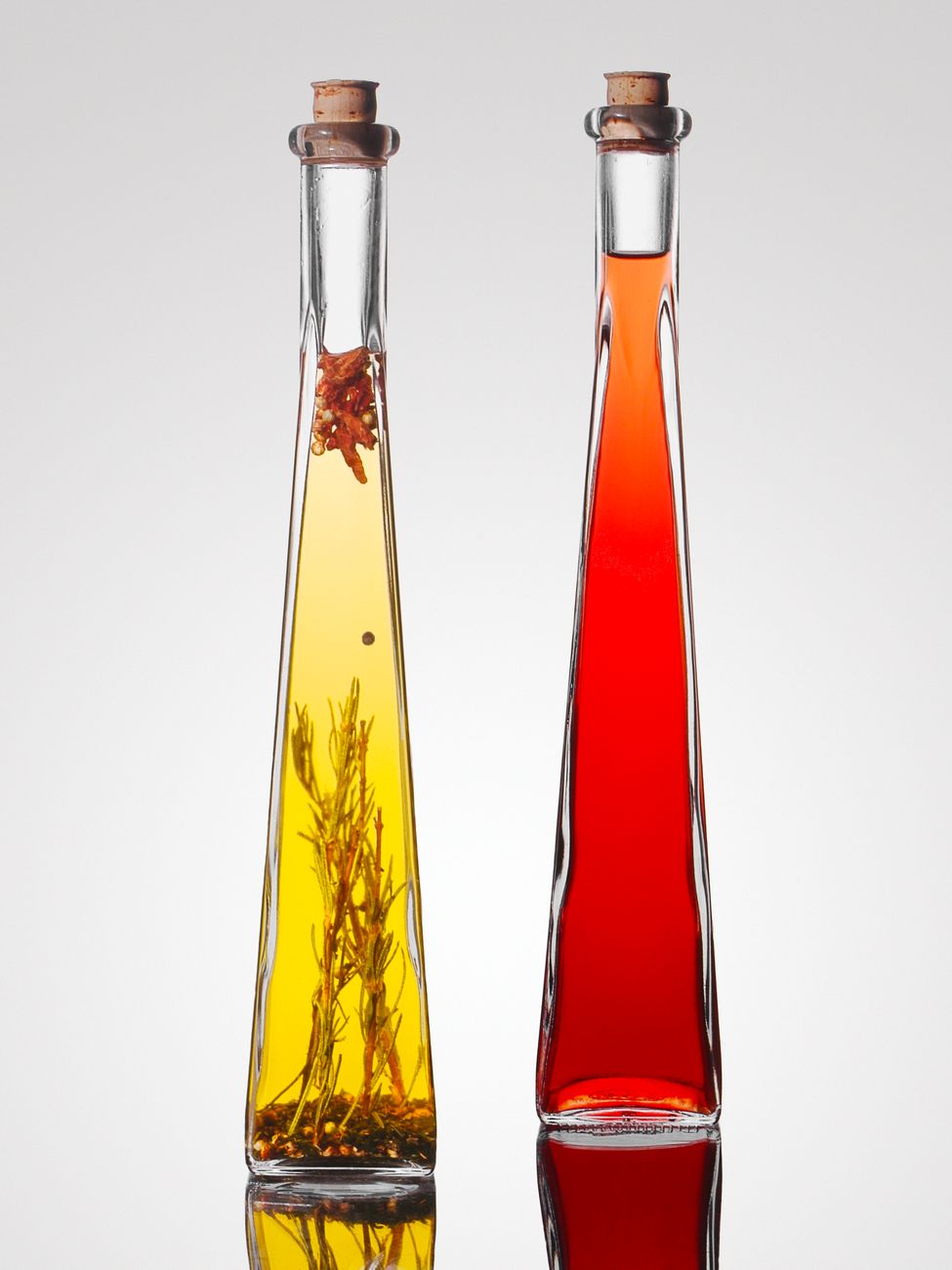
My relationship with vinegar started because I ran out of lemons. I was halfway through a pasta sauce that tasted flat — needed acid, something bright — and the lemon bowl was empty. I grabbed the white vinegar from under the sink out of desperation. Best mistake I ever made.
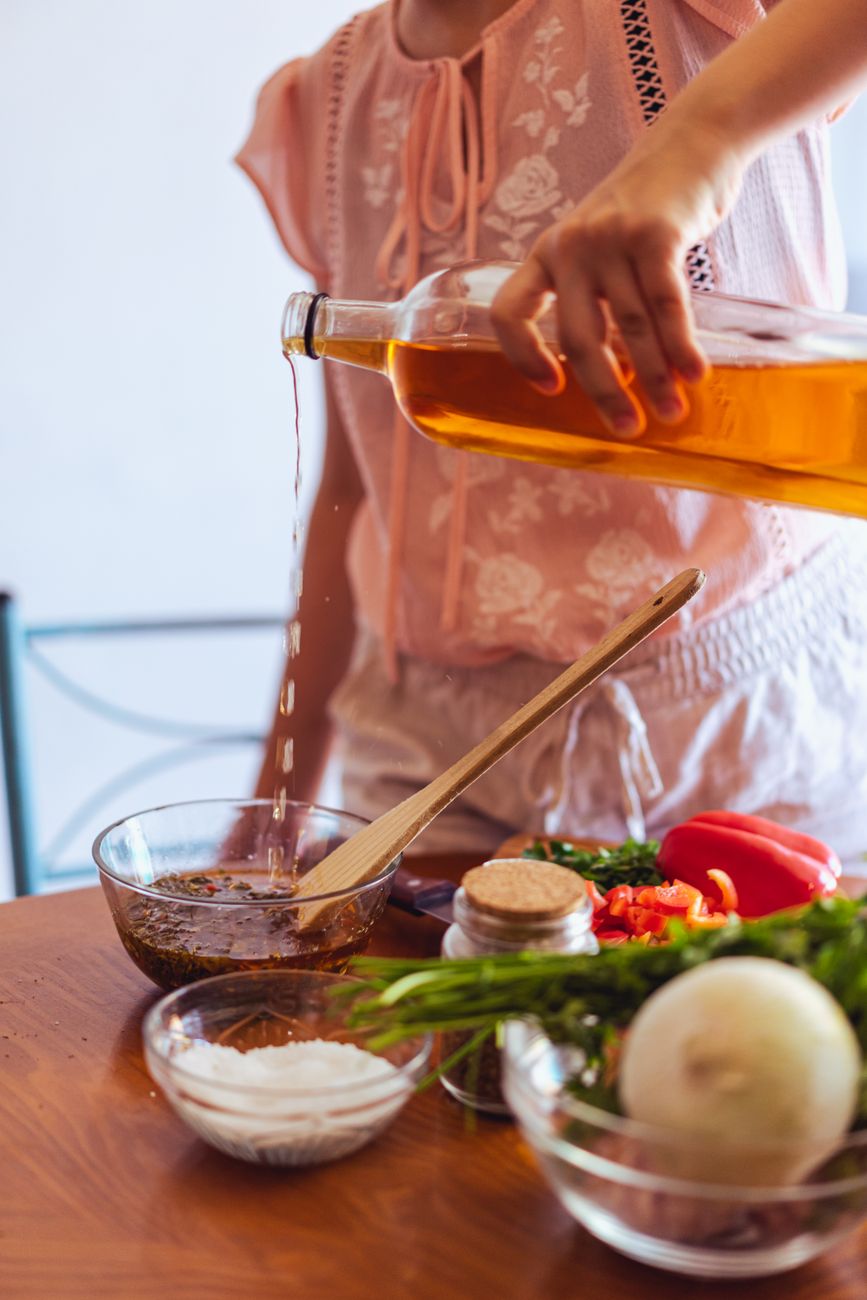
Now I keep four kinds of vinegar within arm’s reach when I cook. Not because I am fancy. Because they solve problems that salt and heat cannot touch.
The acid balance nobody talks about
Salt makes food taste more like itself. Acid makes food taste alive. Restaurants know this. They finish almost every sauce with a squeeze of lemon or a splash of vinegar. It wakes up flavors that salt alone leaves sleeping.
White vinegar, apple cider vinegar, rice vinegar, balsamic — they all work. The trick is matching the vinegar to the dish. White vinegar is aggressive and clean. Good for pickling and deglazing. Apple cider vinegar is fruity and mellow. Rice vinegar is soft, almost sweet. Balsamic brings sweetness and body.
Ten ways I use vinegar that surprised me
- Poach an egg without the wispy mess. Add a tablespoon of white vinegar to the simmering water. It firms up the egg white instantly. No more ghostly tendrils floating in your pot.
- Fix a soup that is too salty. A teaspoon of apple cider vinegar can cut through oversalting. It does not remove the salt. It balances it so your tongue stops noticing.
- Tenderize meat without a mallet. Soak tough cuts in a mix of vinegar, oil, and whatever spices you like. Half an hour for chicken, overnight for beef. The acid breaks down muscle fibers.
- Make buttermilk when you are out. Tablespoon of white vinegar in a cup of regular milk. Stir, wait ten minutes. It curdles and thickens. Pancakes and biscuits will not know the difference.
- Brighten roasted vegetables. Toss carrots or Brussels sprouts with a teaspoon of balsamic right when they come out of the oven. The heat carries the vinegar’s sweetness into every bite.
- Fluff up whipped egg whites. A few drops of white vinegar stabilize the foam. Your meringue holds its shape longer.
- Crisp up pie crust. Replace a tablespoon of ice water with vodka or vinegar. The liquid evaporates faster in the oven, leaving the crust flakier. Chemistry, not magic.
- Keep boiled potatoes from falling apart. A splash of vinegar in the water strengthens the pectin in the potato cells. Your potato salad has actual potato chunks instead of mush.
- Make quick pickled onions. Slice a red onion thin, cover with equal parts vinegar and water, add a pinch of sugar and salt. Thirty minutes on the counter. They turn bright pink and crunch like a dream on tacos.
- Save a broken sauce. Hollandaise or mayonnaise splitting? A teaspoon of cold water and a few drops of vinegar whisked in slowly can bring it back together.
The one thing I still mess up
Too much vinegar makes food taste like salad dressing. Start with half what you think you need. You can always add more. You cannot take it out. I learned this the hard way with a pot of chili that tasted like pickles for three days.
Quick Summary: Vinegar brightens food, fixes oversalted soup, tenderizes meat, and makes perfect poached eggs. Start small — you can always add more.