Make Bone Broth From Kitchen Scraps You Usually Throw Away
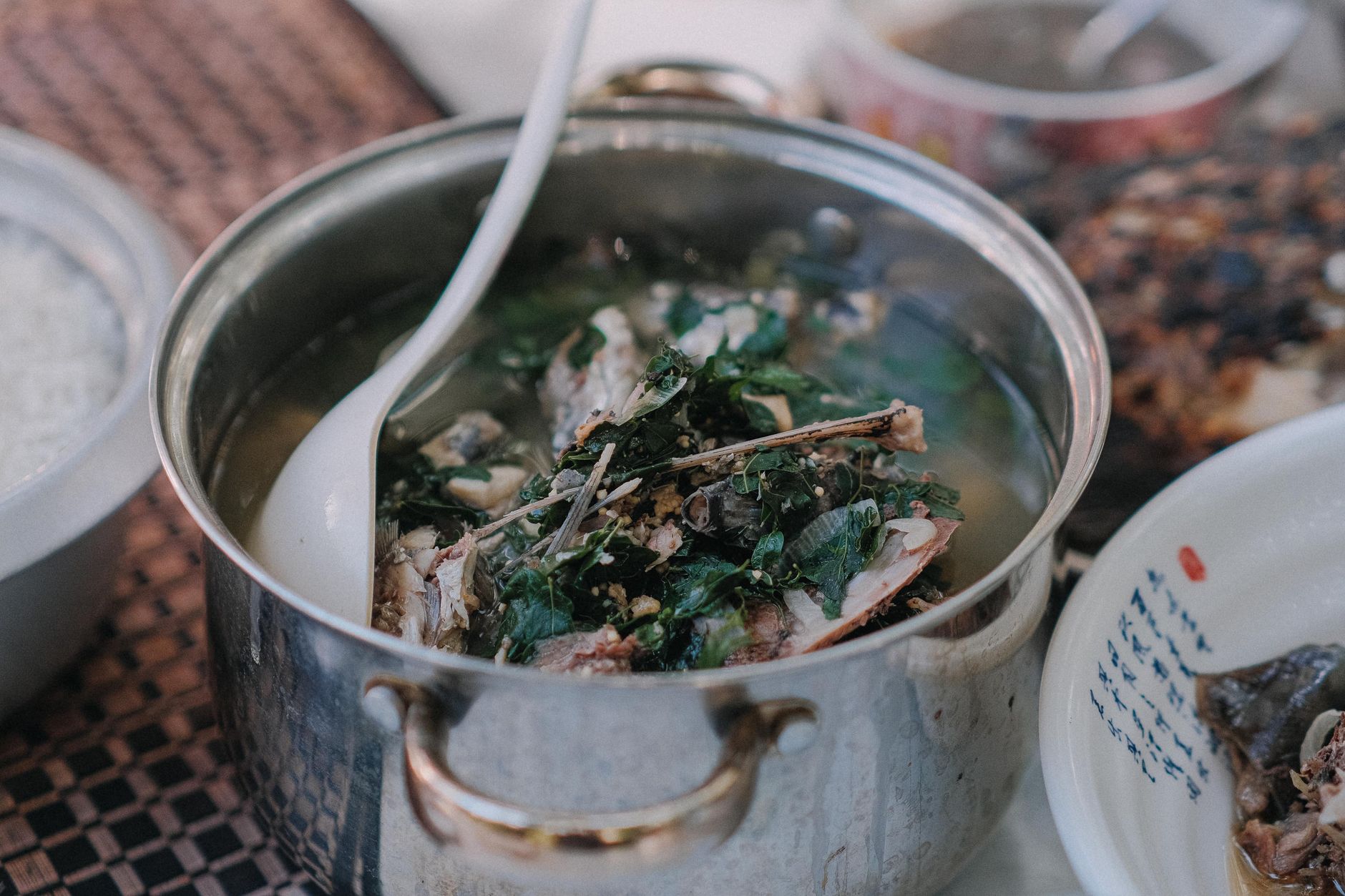
I used to feel like a fool every time I bought beef broth. Three dollars for a carton of flavored water that I dumped into soup without a second thought. Then my neighbor — this guy who grew up cooking in his grandmother’s restaurant — saw my grocery haul and laughed. “You know you can make that for free, right?”
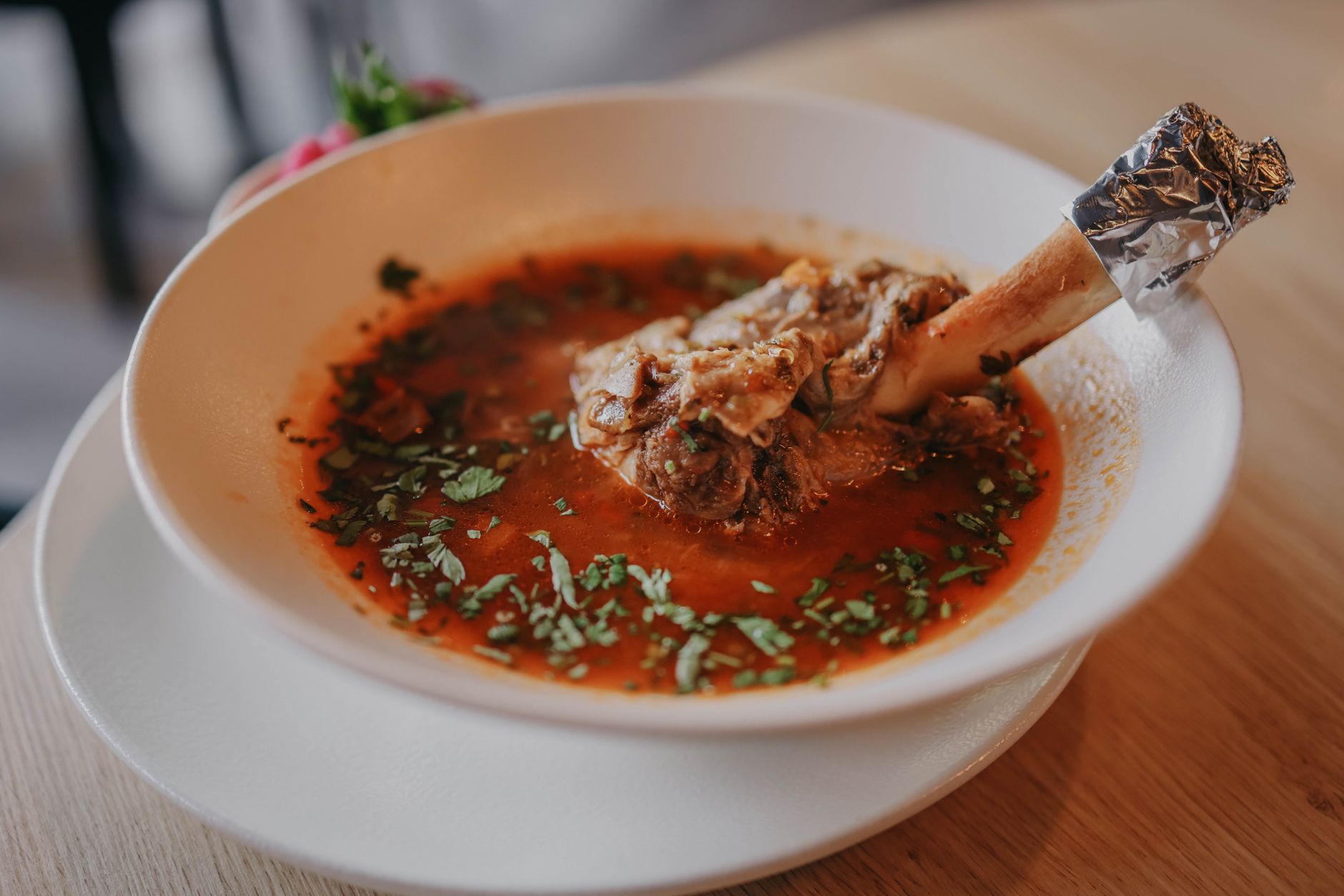
He was right. And I have not bought broth since.
What you are throwing away
Every time you roast a chicken or sear a steak, you toss the good stuff. The bones. The cartilage. The little bits of meat still clinging to the rib cage. All of it can become liquid gold.
Carrot tops, onion skins, celery ends, garlic peels — those sad vegetable trimmings you scrape into the trash? They are flavor. Parsley stems, mushroom stems, even the woody ends of asparagus. Keep a gallon bag in your freezer and dump everything in. When it is full, you are ready.
The method that actually works
No fancy equipment. No culinary school. Here is what I do every Sunday:
- Roast the bones first. Spread beef or chicken bones on a sheet pan, 400°F for 25 minutes. This is not optional. Roasting gives you that deep brown color and the flavor that makes store-bought broth taste like water.
- Dump everything in a pot. Bones, frozen veggie scraps, a tablespoon of apple cider vinegar. The vinegar pulls minerals out of the bones — calcium, magnesium, phosphorus. You will not taste it.
- Cover with cold water. Two inches above the solids. Bring to a boil, then drop to the lowest simmer your stove can manage.
- Walk away for a while. Chicken bones: 8 hours. Beef bones: 12 to 24. Stir it once or twice. Add water if the level drops too far.
- Strain and store. Pour through a fine mesh strainer into jars. Cool on the counter, then refrigerate. A layer of fat will harden on top — scoop it off and save it for roasting potatoes.
Why the stuff gels (and why you want it to)
Good broth wobbles when it is cold. That is the gelatin — broken-down collagen from the bones and connective tissue. This is the thing that makes your soup feel like a meal instead of a snack. It is also what the fancy bone broth companies charge fourteen dollars a jar for.
If your broth does not gel, do not panic. You probably used too much water or did not simmer long enough. It still tastes great. But next time, use less water and let it go longer.
Things I got wrong the first three times
- Skimming too aggressively. A little foam on top is normal. Skim the gray scum in the first hour, then leave it alone.
- Boiling instead of simmering. A rolling boil makes the broth cloudy and greasy. You want one bubble breaking the surface every second or two. That is it.
- Adding salt. Do not salt your broth. You salt the dish you use it in. Salted broth becomes unusable when you reduce it for sauces.
What to do with it all
Drink it from a mug with a pinch of salt and a squeeze of lemon. Use it as the base for risotto instead of boxed stock. Cook your rice in it. Deglaze a pan after searing meat. Freeze it in ice cube trays for when you need just a splash.
I keep three jars in the fridge and a stack of frozen cubes in the door. Total cost: whatever I would have thrown away anyway.
Quick Summary: Save bones and vegetable scraps in a freezer bag. Roast, simmer with a splash of vinegar for 8-24 hours, strain. Free broth that beats anything in a carton.