Weatherstrip Windows for Under 20 Dollars

Last winter my heating bill spiked and I could not figure out why. Then I held my hand near the window frame and felt cold air streaming in like someone left a door open. I had been heating the neighborhood.
Weatherstripping sounded like a big project. It is not. I did six windows in two hours for seventeen dollars.
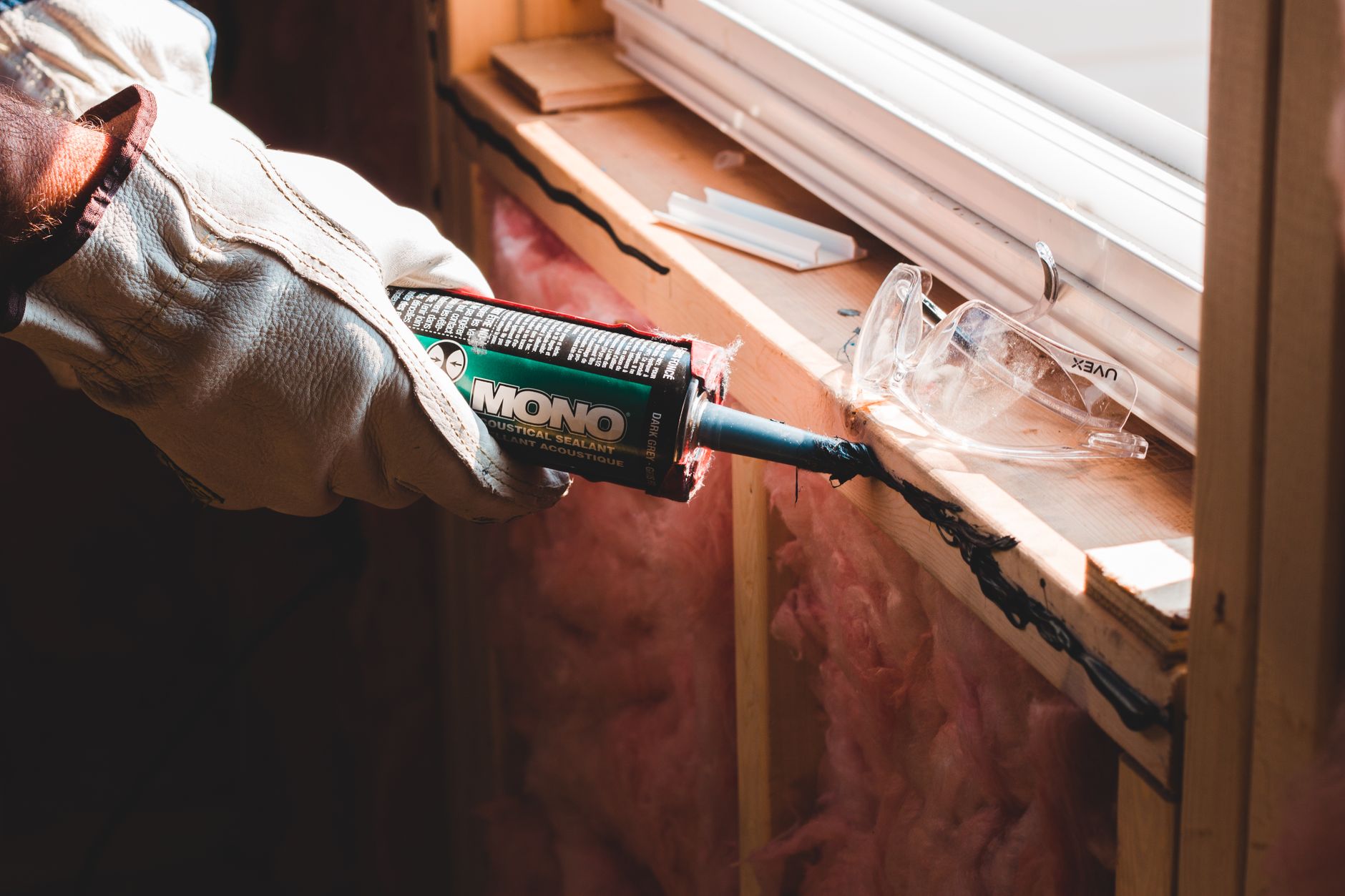
” alt=”weatherstripping a window” style=”width:100%;height:auto;border-radius:8px”>
Find the Leaks First
Before buying anything, hold a lit incense stick near window edges on a windy day. If the smoke wavers or blows sideways, you found a leak. Mark it with a small piece of tape. This takes five minutes and shows you exactly where the problems are instead of guessing.
I found leaks around three windows and the bottom of my front door. The door was the worst. I had been losing more heat through one gap than all three windows combined.
Which Type for Which Gap
For gaps around the window sash — where the moving part meets the frame — use adhesive-backed foam tape. It comes in different thicknesses. Get the kind that compresses. Clean the surface with rubbing alcohol before applying or it will peel off in a month.
For the gap under a door, use a door sweep — a strip of rubber or brush that screws into the bottom of the door. For the sides and top of a door, adhesive foam tape works. None of this requires tools beyond scissors and maybe a screwdriver.
V-Seal for Double Hung Windows
Older double-hung windows often have gaps between the sashes where they slide past each other. V-seal weatherstrip is a folded plastic strip that you press into the gap. It expands to fill the space when the window closes. Costs about four dollars per window and makes a dramatic difference in rooms that always felt drafty.
My bedroom had this issue. After installing V-seal, the room was noticeably warmer and the heating vent did not have to run as often. The first month after installation, my bill dropped about fifteen dollars.
Rope Caulk for Irregular Gaps
For old windows with uneven gaps — gaps that are wider in some spots than others — rope caulk is your friend. It looks like gray clay and you press it into the crack with your fingers. It stays flexible and peels off clean in spring when you want to open the windows again. Perfect for renters and old houses.
Quick Summary: Find leaks with incense smoke, use foam tape for window sashes, door sweeps for bottom gaps, V-seal for double-hung windows, rope caulk for uneven gaps. Under twenty dollars, two hours, real savings on your heating bill.