How to Remove a Stripped Screw Without Special Tools
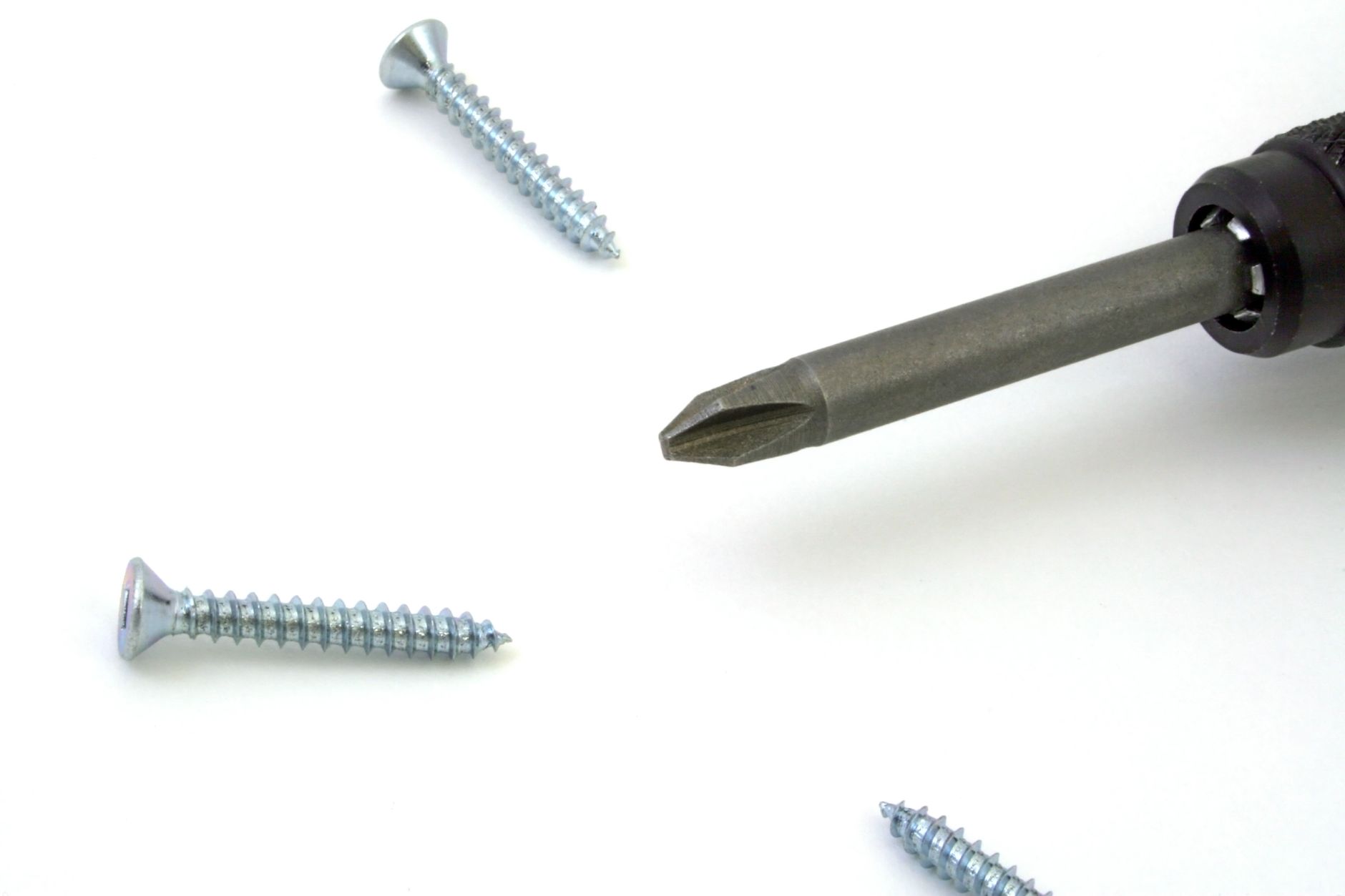
Nothing makes you feel less handy than a stripped screw. You push the screwdriver in, you turn, and it just spins. The head is rounded out and the screwdriver has nothing to grab. I have stood over this exact situation with a half-built shelf and a rising sense of defeat.
Before you reach for an expensive stripped-screw extractor kit, there are a few things already in your drawer that might get it out.
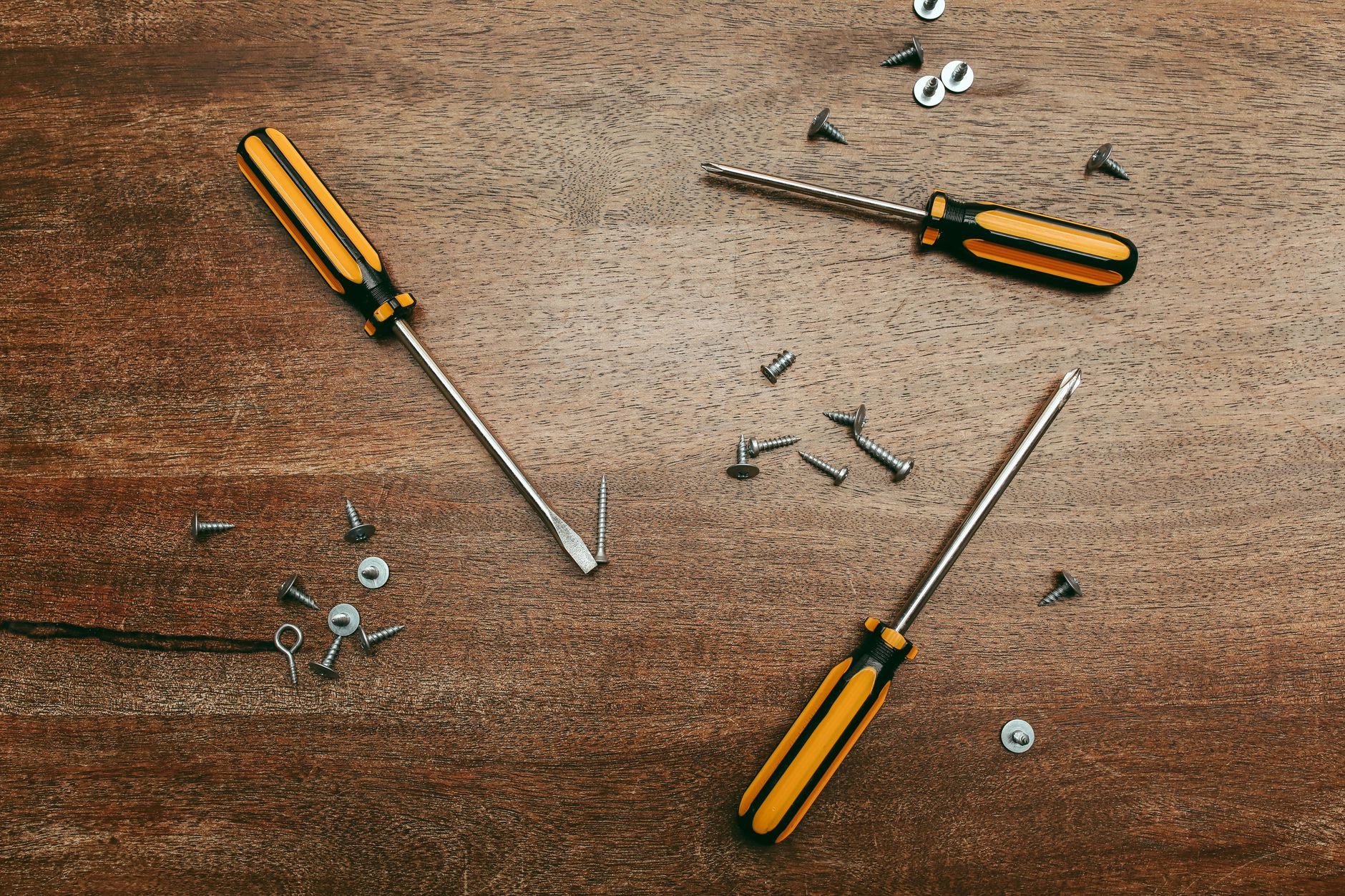
The rubber band trick
Lay a wide rubber band flat over the stripped screw head, press your screwdriver into it, and turn slowly. The rubber fills the rounded-out grooves and gives the screwdriver something to grip. This is the first thing to try, and it works more often than you would expect.
Use a screwdriver that fits as tightly as possible. A larger bit or driver gives the rubber more surface to bite into.
Other tricks that work
- Steel wool or a scouring pad: a small tuft in the screw head works like the rubber band, adding grip.
- Super glue: glue the screwdriver tip into the screw, let it set, then turn. Works best on screws that are not too tight.
- A flathead in a Phillips head: if the cross is stripped but there is still a slot, a flathead driver jammed in at an angle can catch.
- A slightly bigger bit: sometimes the next size up in your set grabs the remaining edges.
When nothing else works
If the screw is truly round, you can cut a new slot across the head with a hacksaw or a rotary tool, then back it out with a flathead screwdriver. This is a last resort before the extractor kit, but it has saved me more than once.
Go slow and push firmly into the screw as you turn. The mistake most people make is turning fast and stripping it even more.
📋 Quick Summary: Try a rubber band over the head first, then steel wool, glue, or a bigger bit. Cut a new slot only if all else fails.