Winterize Your RV or Camper Before the First Freeze
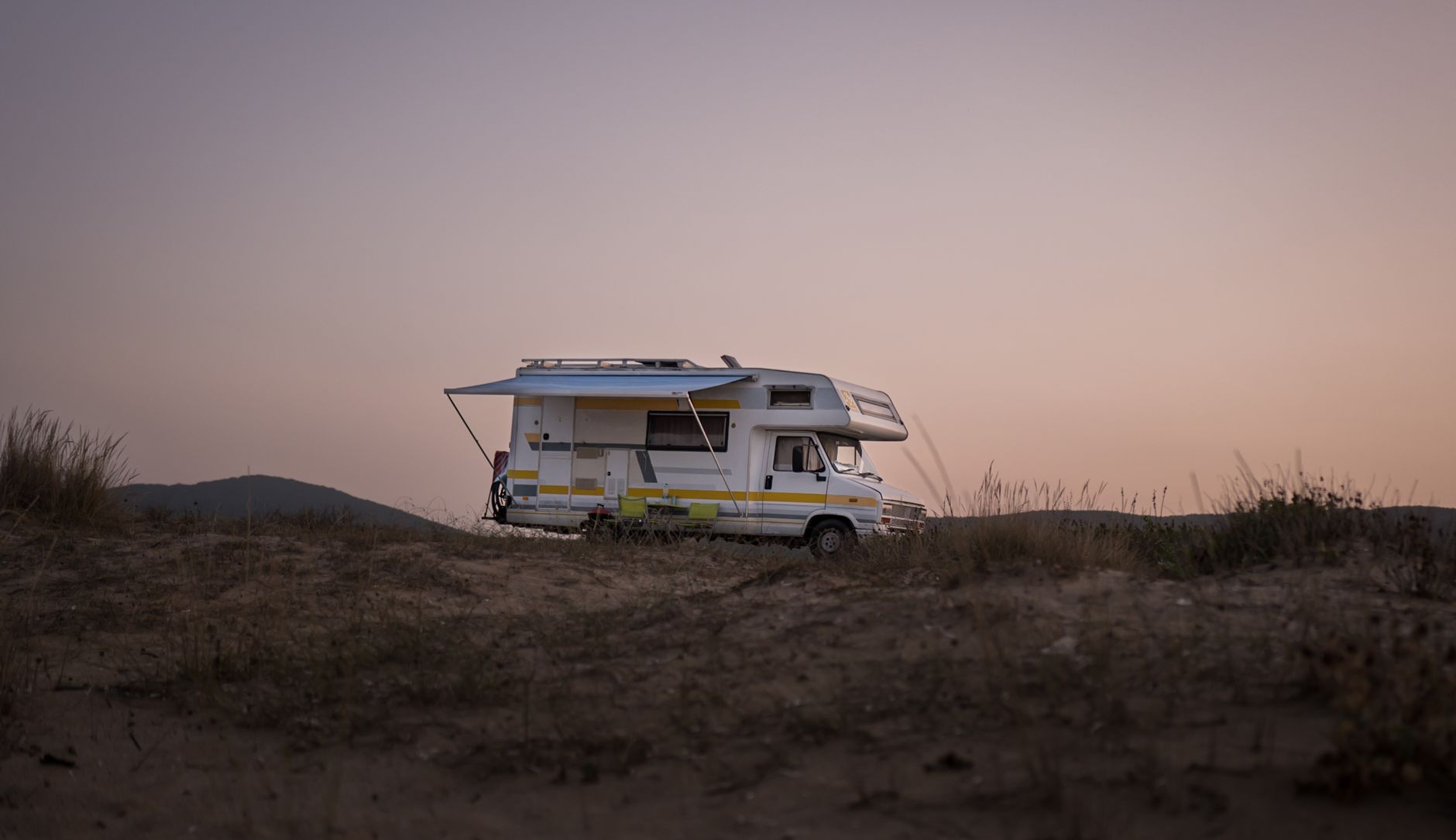
The first winter I owned a camper, I did nothing to prep it. Come spring, the water pump was cracked, the toilet valve leaked, and the repair bill was more than I had paid for the rig. My neighbor, a full-time RVer, walked me through the whole winterizing routine the next fall. It took one afternoon.
Winterizing protects the plumbing from freezing. Water expands when it freezes, and expanding water inside pipes and pumps cracks them. The fix is to get the water out and put antifreeze in.
Drain Everything First
Open every faucet, including the outdoor shower and the toilet, and let the lines run dry. Open the low-point drains, usually two valves under the rig. Then drain the water heater tank, and if you can, pull the drain plug from the hot water tank completely.
I learned the hard way that a half-empty line is still a broken line in a hard freeze.
Pump in the Antifreeze
Get the pink, non-toxic RV antifreeze, never the automotive green stuff. Use the pump to pull antifreeze from a jug through the system. Turn on each faucet until pink liquid comes out, then move to the next one. Flush the toilet until the bowl is pink too.
Pour some antifreeze down every drain trap, including the shower and sinks, so the P-traps do not crack.
Do Not Forget the Small Stuff
- Remove the batteries and store them somewhere above freezing
- Prop the fridge doors open so mold does not grow
- Cover the tires or park on boards to keep them from flat-spotting
- Stuff steel wool or rags in any mouse-sized gaps
Mice love a parked camper. Set traps inside before you close it up, and check it once a month over the winter.
📋 Quick Summary: Drain all water, pump pink RV antifreeze through every line and trap, pull the batteries, and block the critter gaps.