Why My Rice Was Always Mushy Until I Learned This 10-Minute Trick
Have you ever served someone a plate of food and watched their face fall when they saw the rice? I have. It was my first dinner party as an adult, and I had invited six coworkers to my apartment for what I described as a homemade Thai green curry. The curry itself was fine. Store-bought paste, coconut milk, some vegetables, chicken thighs. Hard to mess up. But the jasmine rice, which I had assumed was the easiest part of the meal, came out of the pot as a single gelatinous mass. I had to carve it with a serving spoon. It clung to itself like wet cement. One of my coworkers, a woman named Diane who had no filter, picked up a wedge of rice with her fork and said, this reminds me of the paste we used in kindergarten art class.
Understanding the Problem

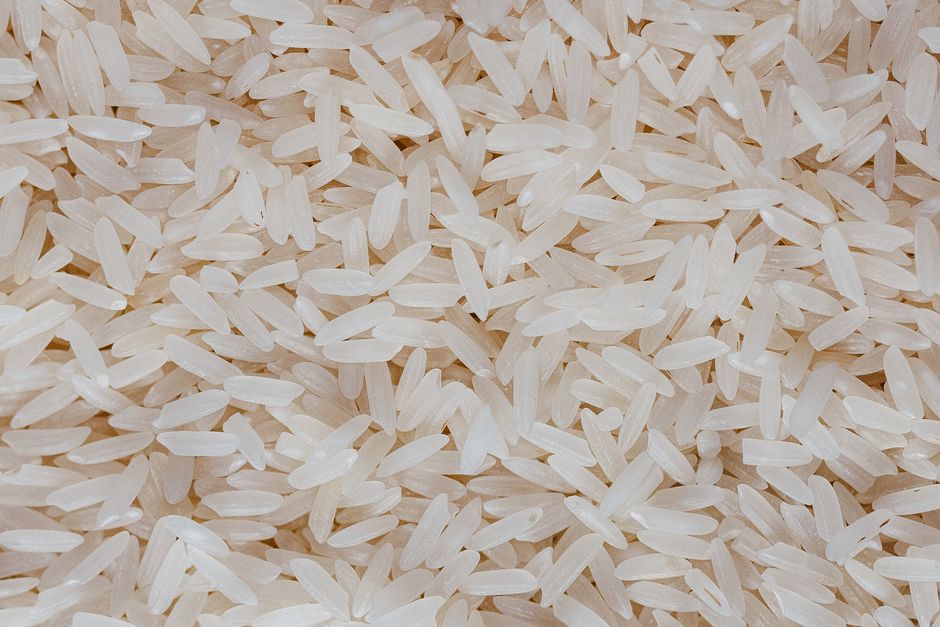
📸 Photo by Rohingya Creative Production (RCP) on Pexels
I laughed, but inside I was mortified. And honestly, I deserved it. I had done what millions of home cooks do every night: I eyeballed the water, cranked the heat, and walked away. Rice is unforgiving of that approach, and it had punished me publicly.
Here is what I now know, and what I wish someone had explained to me years earlier. Rice is not difficult. It is simply precise. There are exactly two variables that matter, and if you control both, you will never make bad rice again.
The first variable is rinsing. Rice grains are coated in loose surface starch, a fine powder created when the grains rub against each other during processing and transport. If you skip the rinse, that starch gelatinizes in the cooking water and glues the grains together. This is why unrinsed rice turns into a sticky block. Rinse your rice in a fine-mesh strainer under cold running water until the water runs clear, not cloudy. This usually takes about two minutes of agitation with your fingers. For basmati or jasmine rice, I sometimes go three or four minutes because those varieties seem to carry more surface starch.
The Proven Solution
The second variable is the water-to-rice ratio, and this is where most people get it wrong because they were taught the knuckle method or the two-to-one rule. The truth is that different rice varieties need different amounts of water. White long-grain rice needs about one and a half cups of water per cup of rice. Basmati needs one and a quarter cups. Brown rice needs two full cups and a longer cooking time. Short-grain rice, the kind used for sushi, needs closer to one-to-one. These are not suggestions. They are the difference between fluffy individual grains and a starchy disaster.
Long-Term Prevention Tips
But technique matters beyond the ratio. Once your rinsed rice and measured water are in the pot, bring it to a boil, then immediately reduce the heat to the lowest setting, cover tightly, and set a timer. Do not lift the lid during cooking. Every time you lift the lid, you release steam, which is the mechanism cooking your rice. The steam condenses on the lid and drips back down, and when you remove the lid, you lose that cycle. It takes the pot time to rebuild steam pressure, throwing off your timing.
When the timer goes off, remove the pot from the heat but do not open the lid. Let it sit, covered, for ten minutes. This resting period is not optional. It allows the remaining moisture to redistribute evenly through the rice, finishing the cooking of any slightly underdone grains and letting the starches set so the grains firm up and separate.
After ten minutes, remove the lid, fluff gently with a fork, and serve. I now make rice two or three times a week using this exact method, and it comes out perfect every single time. I have not carved a rice brick since that dinner party, and Diane has since moved to another company, so she never got to see my redemption.