Why Does My Freezer Turn Into Antarctica Every Few Months? Aluminum Foil Is the Answer Nobody Told Me
You open the freezer and there is a half-inch crust of ice on the back wall. The shelves are frozen in place. The ice maker stopped working three days ago and you did not notice because you were avoiding the problem entirely.
I used to defrost my freezer the hard way — unplug everything, haul coolers, wait hours, chip ice with a spatula like an archaeologist. Then someone told me about the aluminum foil trick and I have not needed a full defrost in over a year.
How Aluminum Foil Prevents Frost
Ice builds up when warm, humid air enters the freezer and condenses on the coldest surfaces — usually the back wall and the cooling coils. Every time you open the door, you let in a fresh wave of moisture. Over weeks, that moisture accumulates as frost.
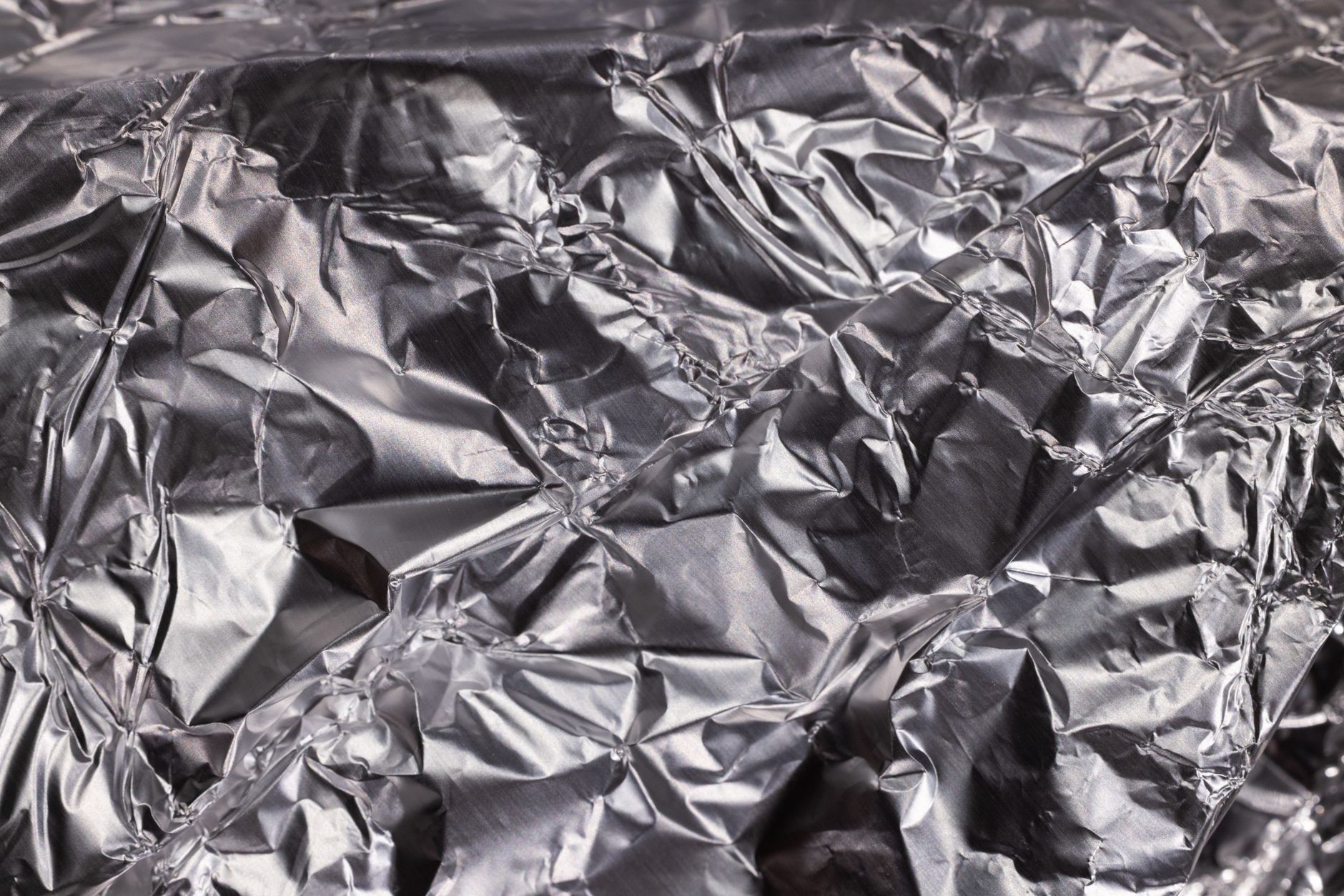
Aluminum foil has two properties that fight this: it is a thermal conductor that distributes cold evenly (reducing cold spots where frost nucleates), and it creates a smooth, non-porous surface that ice crystals struggle to grip. Frost forms more slowly on foil than on plastic or metal freezer walls.
How to Apply It
- Defrost and dry the freezer completely first. This is not a fix for an already iced-up freezer — it prevents future ice.
- Line the back wall and bottom of the freezer compartment with heavy-duty aluminum foil, shiny side facing out.
- Press it flat against the surface. Use a credit card to smooth out air pockets — air pockets trap moisture.
- Leave a half-inch gap around the edges so air can still circulate. If you cover the vents, the freezer cannot cool properly.
The Bonus Trick
Line the freezer shelves with foil too. When something leaks — and something always leaks — you pull off the foil and replace it. No scraping frozen chicken juice off glass shelves at 7 AM. This alone made the entire exercise worth it for me.
What I Learned the Embarrassing Way
The first time I did this, I covered the entire back wall including the vent holes. The freezer stopped cooling and everything thawed. I lost two pounds of shrimp. Do not cover the vents. Check where your cold air comes from before you start sticking foil anywhere.
Also: replace the foil every 3-4 months. It does not last forever. Eventually moisture finds its way underneath and starts building up anyway. The foil trick is maintenance, not a permanent solution. When you see frost starting to form along the edges, it is time to swap it out.
Quick Summary: Line the back wall and shelves of your freezer with aluminum foil after a full defrost — foil distributes cold evenly and creates a surface that frost struggles to grip, extending the time between defrosts dramatically.