Why Buying in Bulk Is Not Always the Cheaper Choice
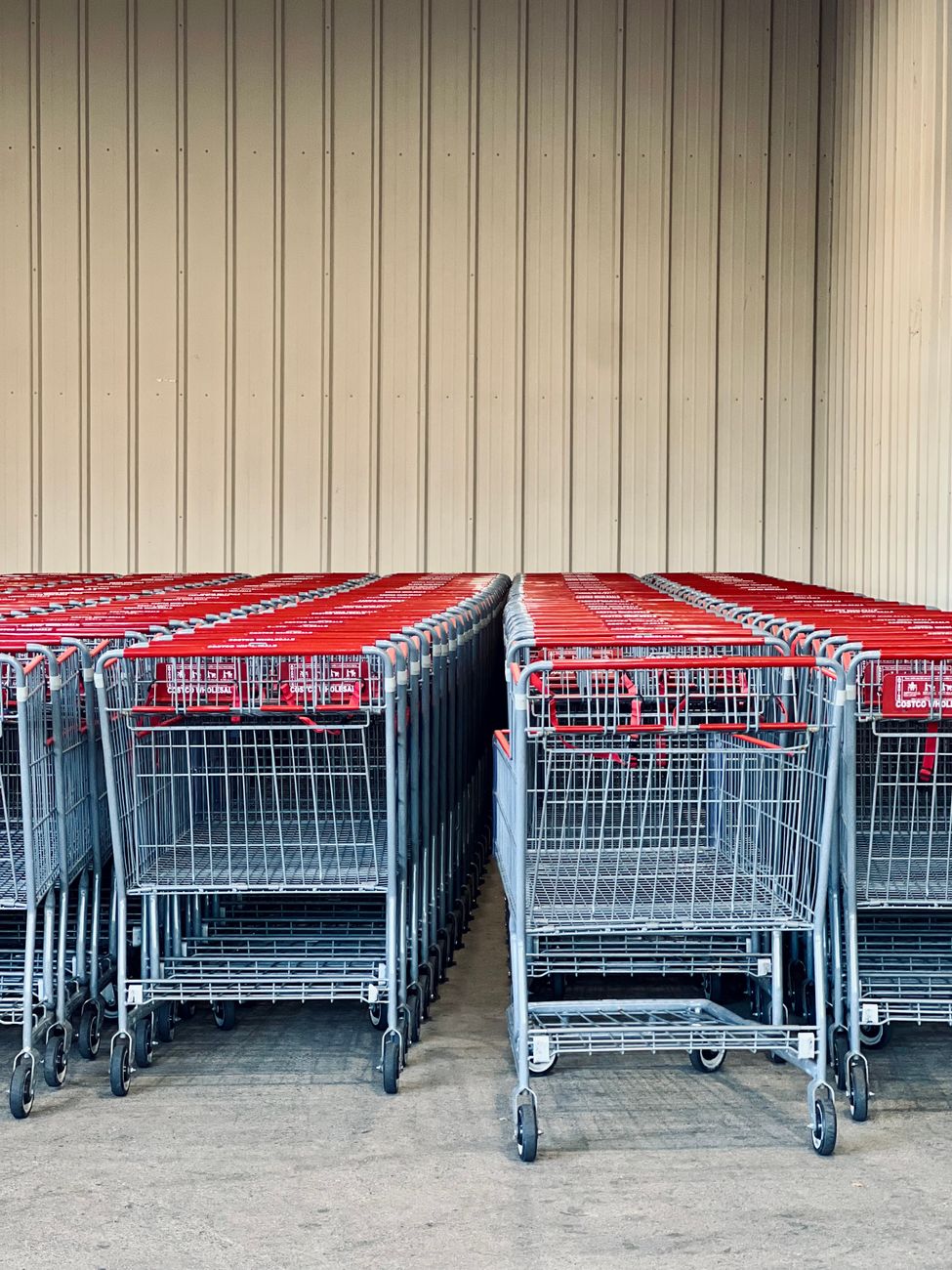
I used to walk out of the warehouse club feeling like a financial genius, cart stacked with giant jars and jumbo packs. Then I did the math on what I actually used and realized a lot of that genius was going straight into the trash can. Bulk shopping saves money only when the bulk gets used.
The unit price is the only number that matters
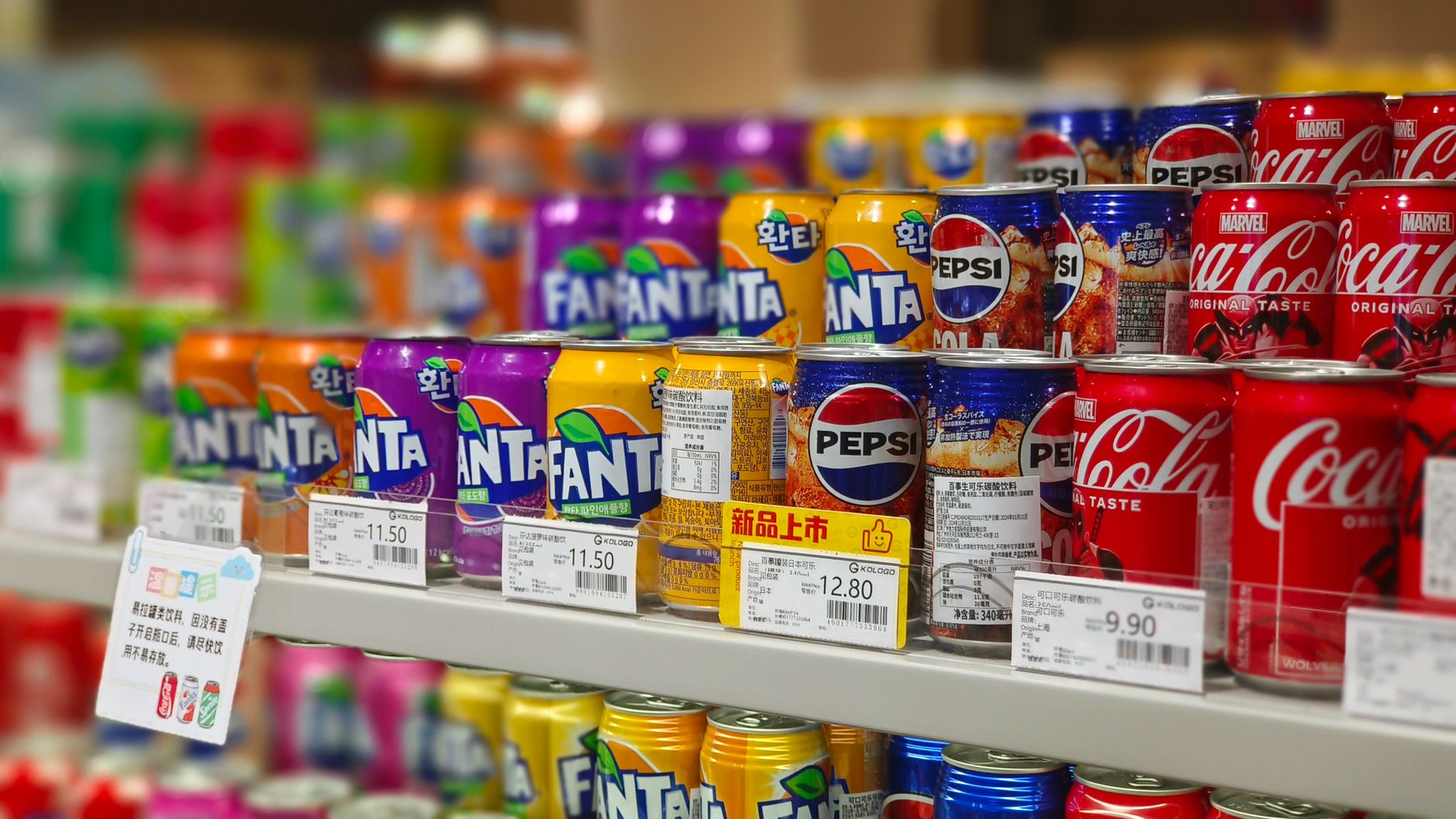
A huge jar of pickles can be cheaper per ounce than the small jar. That is the whole appeal. But compare the unit price of the bulk size against the regular store, not just against the smaller size in the same store. Warehouse clubs are not automatically cheaper on everything. Some items, especially brand names and non-food goods, cost the same or more than a regular grocery sale price. Read the little price tag on the shelf edge that shows the cost per ounce or per item.
Wasted food is never a bargain
Here is the math that changed my shopping: a three pound bag of spinach at a great per pound price is a bad deal if you throw away half of it. Perishables in bulk only pay off when your household can eat them before they spoil. I used to buy giant packs of berries and vegetables with good intentions and a compost bin full of evidence. Now I buy bulk only for things my family actually goes through quickly.
Bulk wins for the right categories
Some things are genuinely worth buying big. Non-perishables you use steadily, paper products, cleaning supplies, and frozen food are bulk friendly. So is anything you can split with a friend. Two households going in on a warehouse pack of meat or produce cuts the cost and the waste. I split big packages with my neighbor now and we both come out ahead.
Watch for the hidden costs
A bulk trip costs more than the groceries. Factor in the membership fee, the gas to get there, and the impulse buys that come with a giant store. Warehouse clubs are designed to make the cart grow. If you go twice a month for three items and leave with nine, the savings vanish. Make a list and stick to it like your budget depends on it, because it does.
- Compare the unit price against your regular grocery store, not just the small jar.
- Buy perishables in bulk only if your household can eat them in time.
- Split giant packages with a friend or neighbor.
- Count the membership, gas, and impulse buys in the real cost.
Bulk is a tool, not a lifestyle. Used on the right items it saves real money. Used on everything it just means spending more upfront to throw more away later. My cart is smaller now, my trash is lighter, and my bank account noticed the difference.
📋 Quick Summary: Compare unit prices against your regular store, only bulk buy perishables you will actually use, split large packs, and count membership and travel costs.