When to Put Down Winter Mulch and Why It Matters
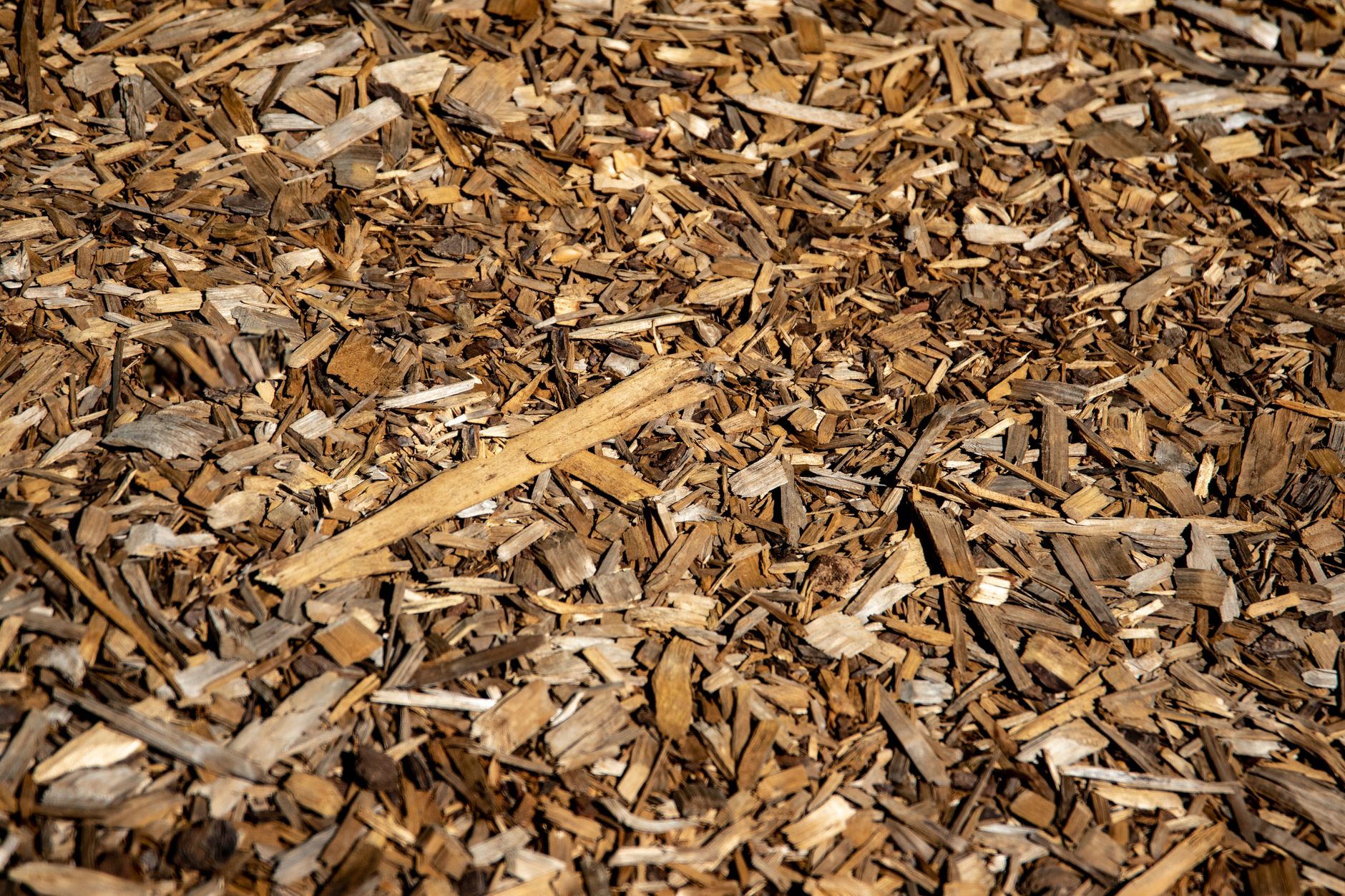
I lost a whole row of perennials one year because I mulched at the wrong time. I thought I was protecting them, but I was actually doing the opposite. Timing is everything with winter mulch, and it comes down to one simple rule.
The Freeze First Rule
Wait until the ground actually freezes, or at least stays consistently cold. If you mulch too early, you give rodents a warm place to nest and you keep the soil from cooling naturally. Mulch after the first hard freeze, and it holds that cold in, which stops the freeze thaw cycle that kills plants.
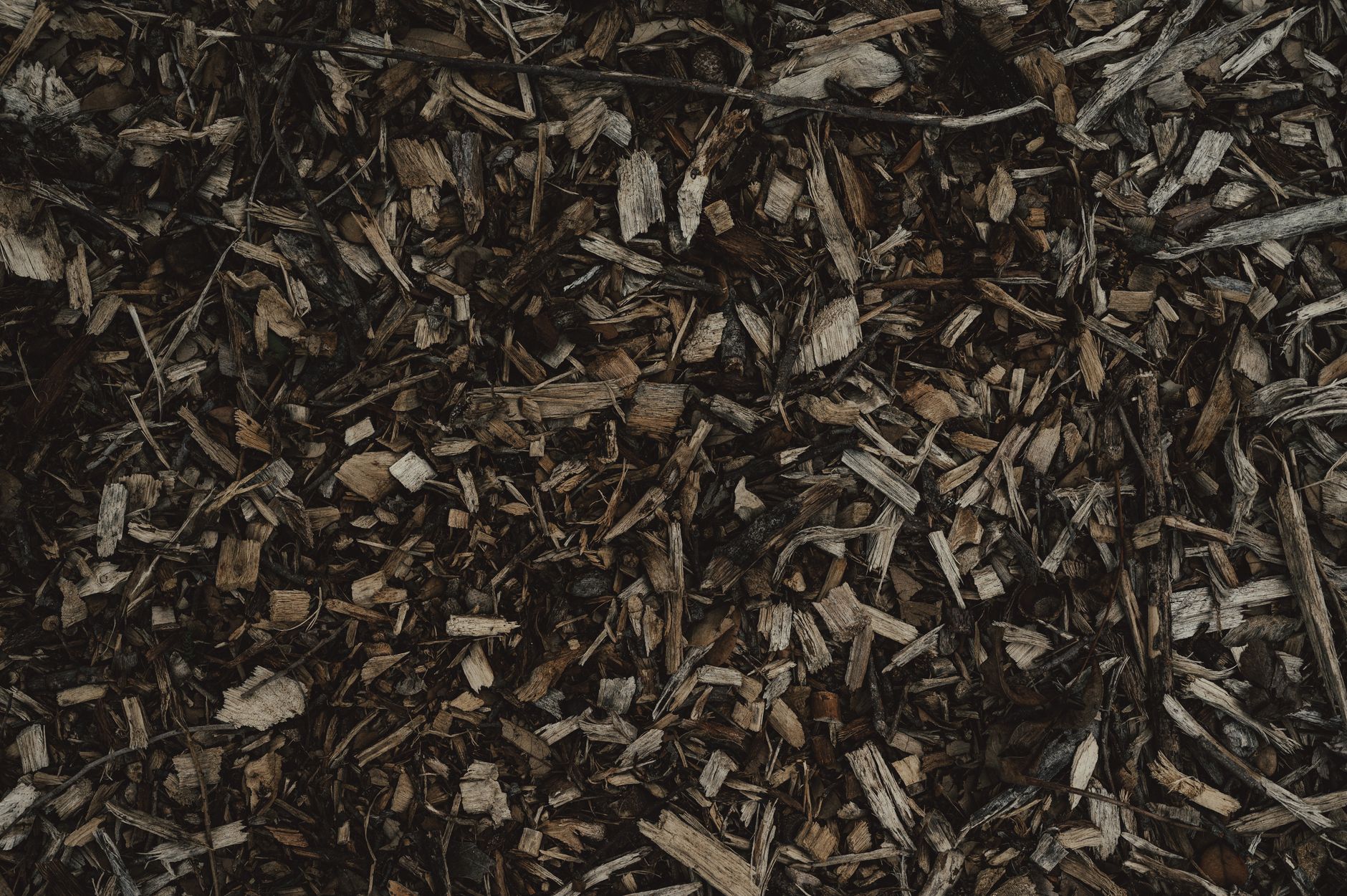
What to Use
- Shredded leaves are free and work great for flower beds.
- Straw is loose and airy, perfect for vegetable beds.
- Pine needles for acid loving plants like blueberries.
How Much and Where
A two to four inch layer is enough. Pile it around the base of plants, but keep it an inch or two back from the stems and trunks so moisture does not rot the crown. I also mulch over my garlic and strawberry beds, which is where I used to skip it and lost plants.
In spring, pull the mulch back gradually as it warms so the ground can breathe. It is a simple task, but doing it on time is the difference between a garden that comes back strong and one that does not.
📋 Quick Summary: Wait for the ground to freeze, then add two to four inches of straw, leaves, or pine needles, keeping it back from plant stems.