Weighted Blankets — Are They Worth the Hype
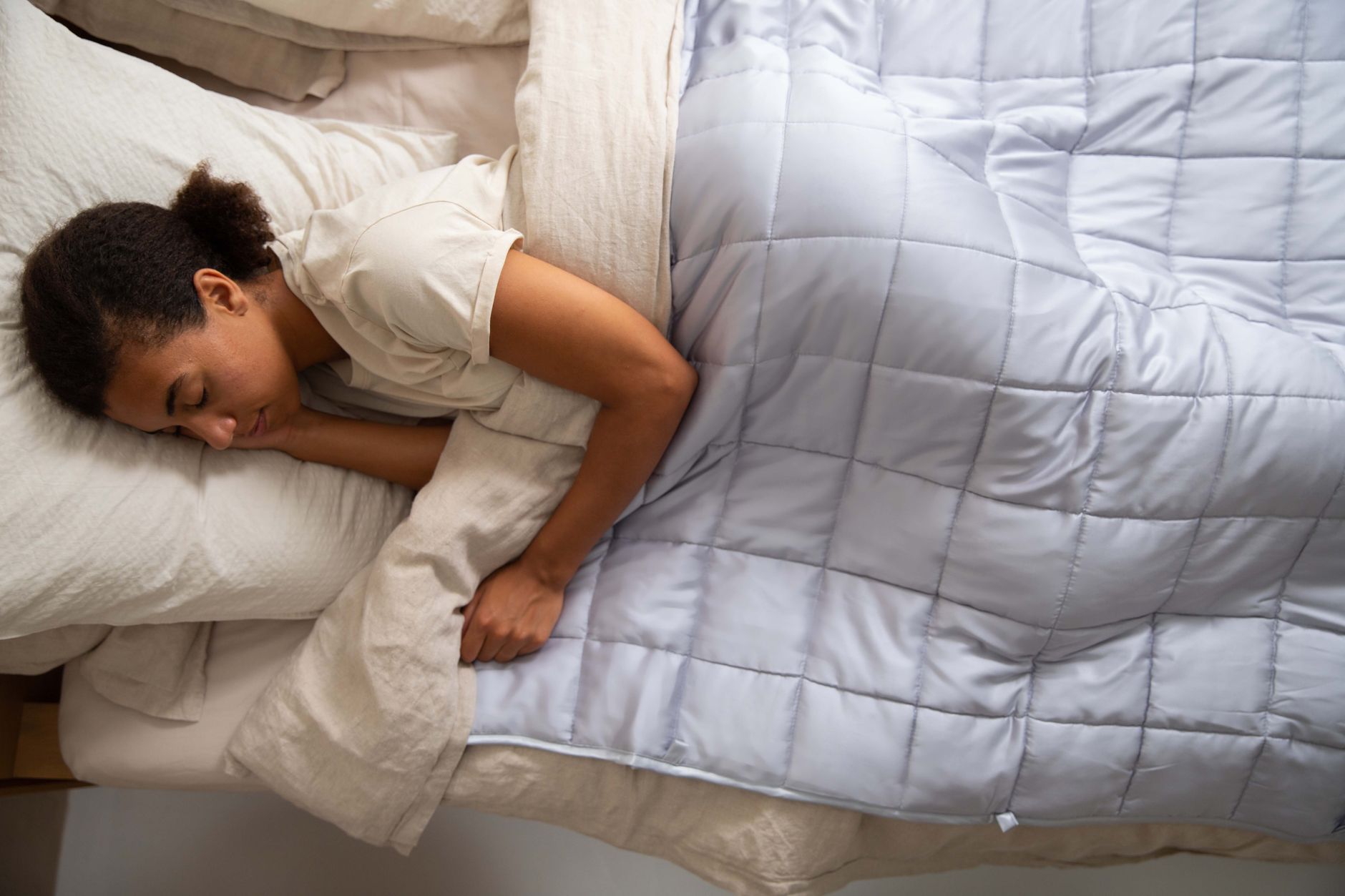
I bought a weighted blanket during a period of terrible sleep. I was waking up at 3 AM every night, heart racing, brain spinning through every mistake I had ever made. A friend swore her weighted blanket had cured her insomnia. I was skeptical — it sounded like a placebo you pay a hundred and fifty dollars for. But I was also desperate, which is the target demographic for most wellness products.
I have now owned it for two years. Here is what it does, what it does not do, and who should actually buy one.
The Science (What Exists of It)
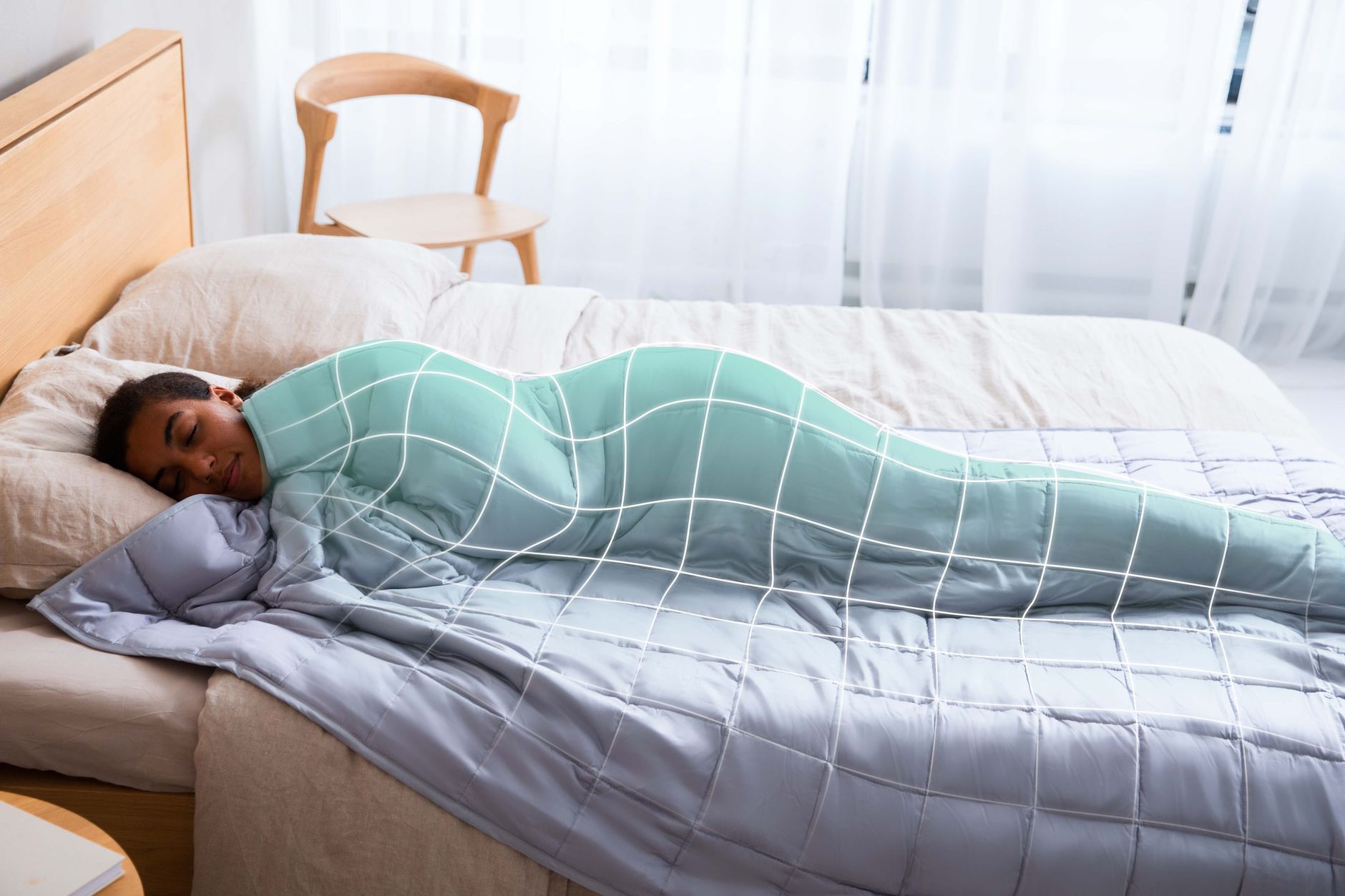
Weighted blankets use deep pressure stimulation — gentle, distributed pressure across the body. This is the same principle behind swaddling a baby or a dog wearing a ThunderShirt during fireworks. The pressure triggers the parasympathetic nervous system — the “rest and digest” mode — and lowers cortisol while raising serotonin and melatonin.
The research is limited but directionally positive. A 2020 study in the Journal of Clinical Sleep Medicine found that participants with insomnia who used a weighted blanket reported better sleep quality and less daytime fatigue. Another small study found reduced anxiety in dental patients. The effect size is modest. This is not a miracle cure. It is a tool that helps some people some of the time.
Does It Actually Feel Good?
Yes. Unequivocally. The first time I got under mine — a fifteen-pound queen size — it felt like a full-body hug. I did not realize how much tension I was holding until I felt it release. This is the part that is hard to explain to someone who has not tried one: the weight is not oppressive. It is calming. Like someone is gently holding you in place. Five minutes under it and my jaw unclenches.
That said, the first week was an adjustment. I woke up sore because my body was fighting the weight instead of relaxing into it. You adapt after about a week. By week two, I could not sleep without it. Now regular blankets feel insubstantial — like sleeping under a piece of paper.
How to Pick the Right One
The rule of thumb: choose a blanket that is about ten percent of your body weight. A 150-pound person gets a 15-pound blanket. Go slightly heavier rather than lighter — the pressure should be noticeable. Most companies recommend 15 pounds for adults between 120 and 180 pounds, and 20 pounds for heavier adults.
Material matters more than you think. Cotton covers breathe. Minky or fleece covers trap heat. If you sleep hot, get cotton. I made the mistake of buying a fleece-lined one first and woke up drenched in sweat every night. The cotton cover fixed it immediately.
Also: glass bead filling distributes more evenly and makes less noise than plastic poly pellets. Cheaper blankets use plastic beads that shift and rustle when you move. The glass beads stay put and are silent. The price difference is about thirty dollars. Worth it.
Who Should Skip It
If you have sleep apnea, respiratory issues, or circulation problems, talk to a doctor before using one — the extra weight on your chest can be a problem. If you are claustrophobic, a weighted blanket might trigger that rather than soothe it. And if you share a bed with a partner who moves a lot, the blanket shifts and you will spend half the night readjusting it.
For me, the weighted blanket did not cure my insomnia. But it made lying awake at 3 AM significantly less awful. That alone was worth the money. Two years later, I still use it every night. My regular blankets are in the closet. I have accepted that I am now a weighted blanket person.
📋 Quick Summary: Weighted blankets use deep pressure to reduce anxiety and improve sleep — effect is modest but real. Choose ~10% of body weight, cotton cover if you sleep hot, glass bead filling (quieter). Not for claustrophobia or respiratory issues.