Tighten Loose Chair Legs for Good
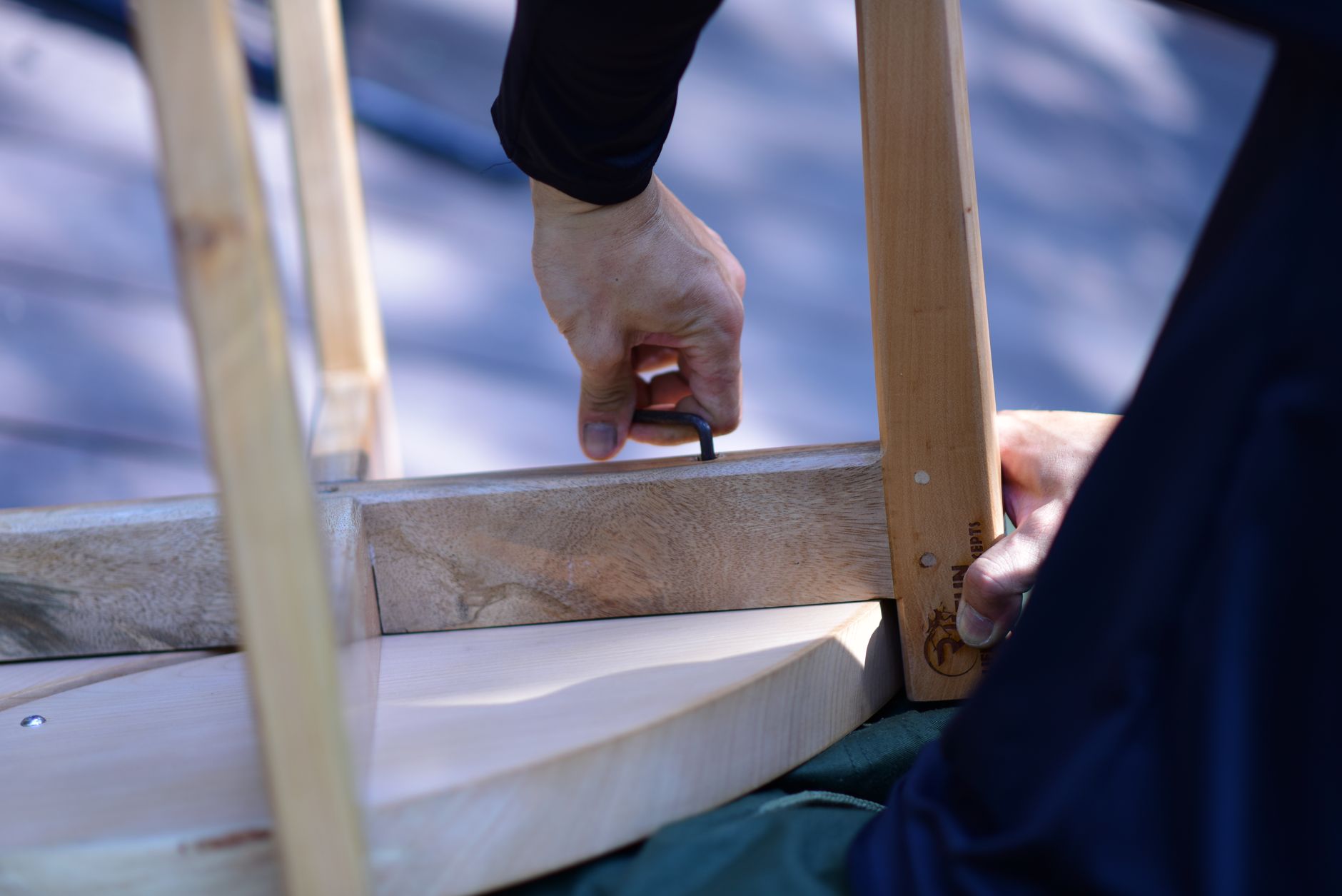
Every dining chair in my house wobbled. Not dramatically — just enough that guests would shift in their seats and not say anything. I tightened the screws. A week later, wobbling again. Tightened them harder. Same result. The problem was not that the screws were loose. The problem was that the wood around the screws had worn away.
Toothpicks and Wood Glue — The Permanent Fix
Unscrew the leg completely and pull it out. You will probably see that the screw hole in the chair frame has become stripped and enlarged. The screw is spinning in place instead of biting into wood. The fix: coat a few wooden toothpicks in wood glue and tap them into the hole with a hammer. Pack them in tightly until the hole is mostly filled. Let the glue dry for at least an hour — overnight is better.
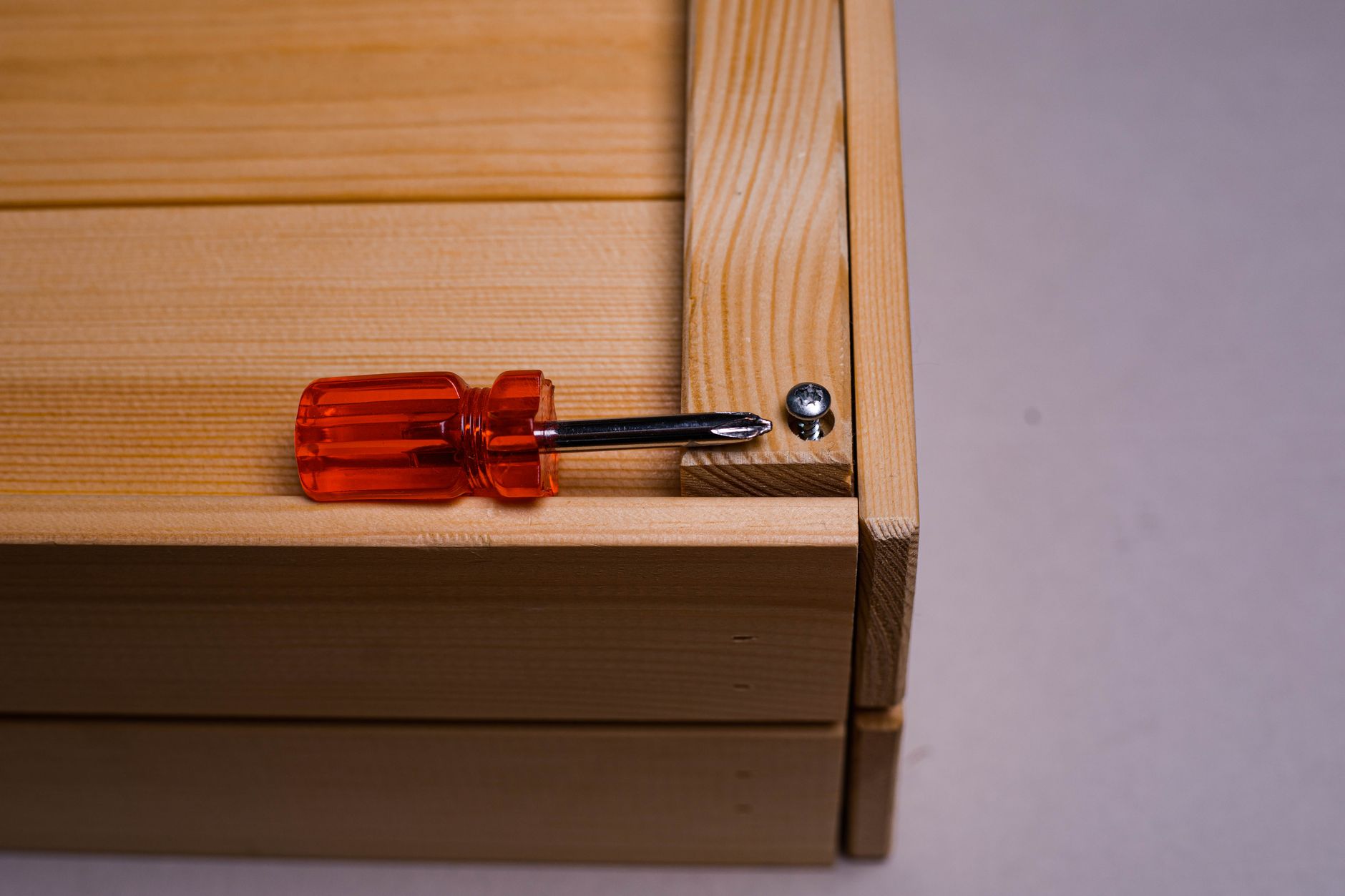
Once dry, trim the toothpick ends flush with the surface using a utility knife or a small saw. Then screw the leg back in. The toothpicks give the screw fresh wood to bite into. The glue locks everything in place. I did this to four chairs three years ago and none of them have wobbled since.
Why Tightening Harder Makes It Worse
Over-tightening screws in wood strips the wood fibers. Each time you tighten, you are removing a little more material from the hole. Eventually there is nothing left for the screw to grip. The toothpick method replaces the lost material instead of digging the hole deeper.
Alternative: Threaded Inserts for Heavy-Use Chairs
For kitchen chairs that get daily use — especially if you have kids — consider upgrading to threaded metal inserts. Drill the stripped hole slightly larger, screw in the insert, and then use a machine screw instead of a wood screw. The metal-on-metal connection will never strip. It is a bit more work upfront but you will never touch that chair leg again.
📋 Quick Summary: Remove the leg, fill the stripped hole with glue-coated toothpicks, trim, and re-screw. For heavy-use chairs, upgrade to threaded metal inserts for a permanent fix.