The Yoga Mat That Does Not Slip Even When You Sweat
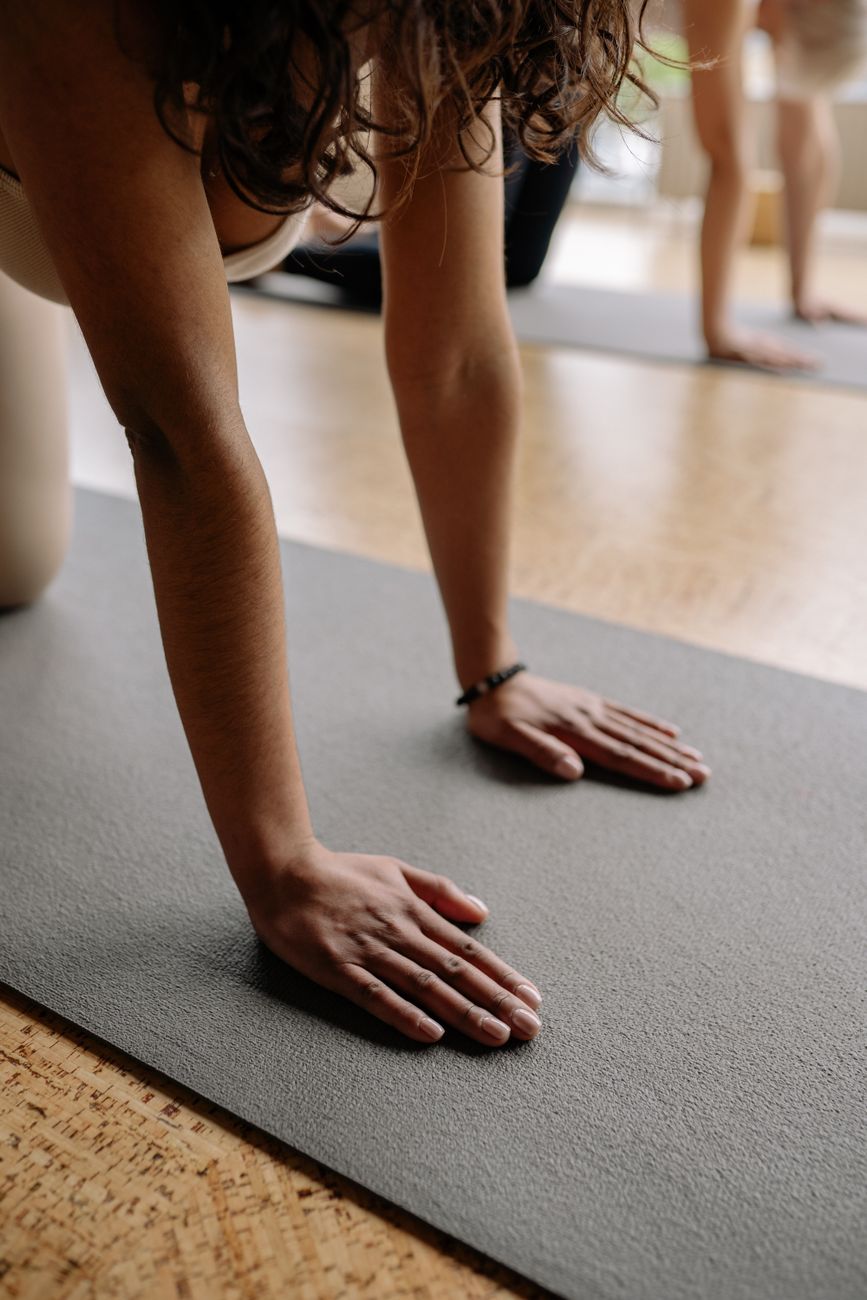
I went to a hot yoga class with a ten-dollar mat I bought at a discount store. Ten minutes in I was sliding around like I was on a Slip ‘N Slide. Downward dog turned into a face-first skid into the person in front of me. I spent the rest of the class gripping the mat with my fingernails and wiping my palms on my towel between every pose.
After that disaster I did something I rarely do: I researched the heck out of yoga mats. Here is what I learned and which one I bought.
Why cheap mats get slippery
Most budget yoga mats are made of PVC foam with a smooth surface. When sweat hits that surface, it creates a thin layer of moisture that acts like lubricant between your hands and the mat. The foam itself does not absorb anything — the sweat just sits there.
Better mats use open-cell construction or natural rubber that absorbs moisture and actually gets grippier when wet. This sounds backwards until you try it. A dry rubber mat has decent grip. A slightly damp rubber mat — like your hands after ten minutes of yoga — grips like a tire on pavement.
The mat I ended up with
I bought the Manduka PRO — the six-millimeter thick one. It was expensive. Around a hundred and twenty dollars. I hesitated at the price for about a month before pulling the trigger.
It took a few sessions to break in — Manduka mats have a thin factory film that needs to wear off. I scrubbed it with a salt scrub (coarse sea salt + water, scrub with a cloth, leave in the sun) as recommended. After about four uses the grip was exactly what I wanted: solid when dry, even better when damp.
I have used this mat for two years now, roughly three times a week. It shows zero wear. No peeling, no thinning, no permanent sweat stains. It is heavy — about seven pounds — which is annoying if you walk to the studio, but worth it for the stability. It does not bunch up or slide on hardwood floors either.
Alternatives at lower price points
If a hundred-plus dollars is too much, the Liforme mat (around eighty dollars) has alignment markings printed on it and excellent grip out of the box — no break-in period. The Jade Harmony (around seventy dollars) is natural rubber, grippy from day one, but wears faster — expect to replace it every two years with heavy use.
If you only do yoga occasionally, a twenty-dollar PVC mat with a yoga towel on top works fine. The towel gives you the grip the mat lacks. It is not ideal but it gets the job done for a fraction of the price.
📋 Quick Summary: Natural rubber or open-cell mats grip better when damp. Manduka PRO: durable, grippy after break-in, lifetime warranty. Liforme or Jade Harmony for lower budgets. Add a yoga towel to a cheap mat as a stopgap.