The Way to Sit at Your Desk That Does Not Wreck Your Wrists
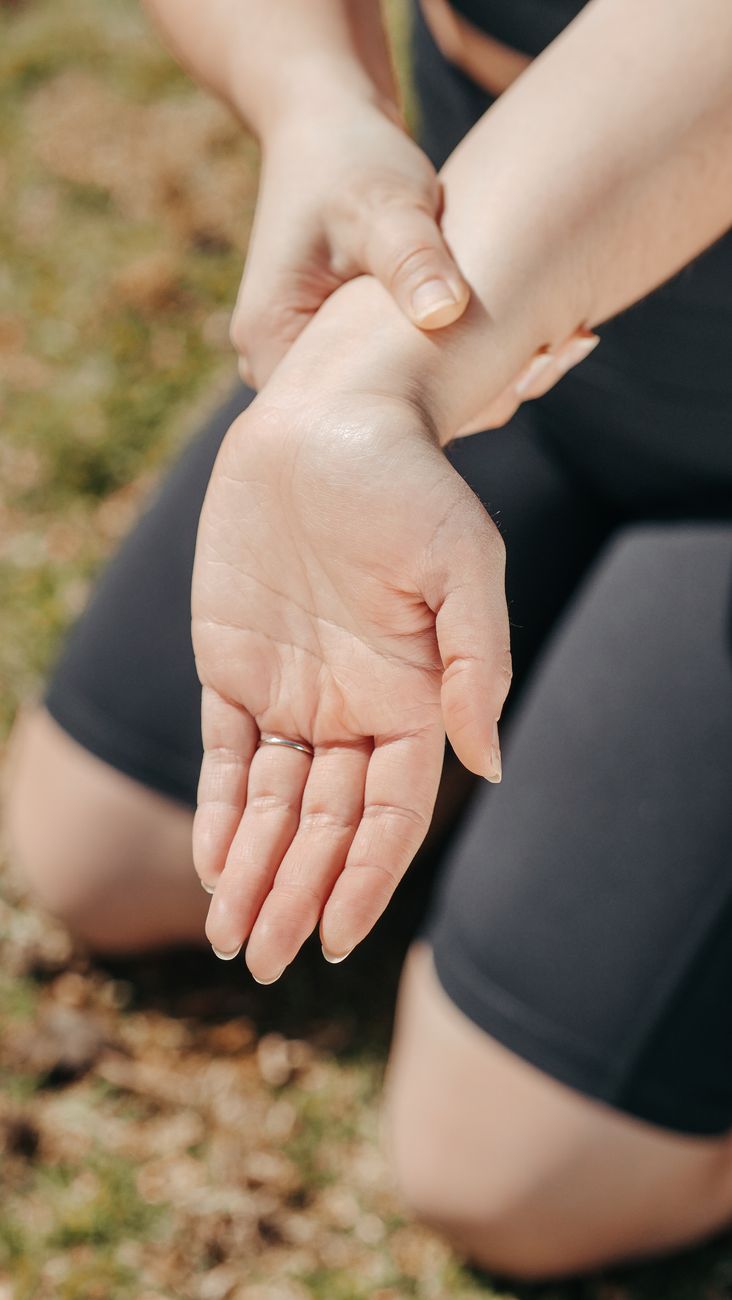
Six months into a new desk job, I could not open a jar of peanut butter without wincing. The pain started as a dull ache in my right wrist and spread up my forearm until it hurt to type, to grip, to twist anything. My doctor said “early carpal tunnel symptoms” and told me to fix how I sat.
I thought ergonomics was just an HR buzzword. Turns out it is the difference between working pain-free and not being able to use your hands.
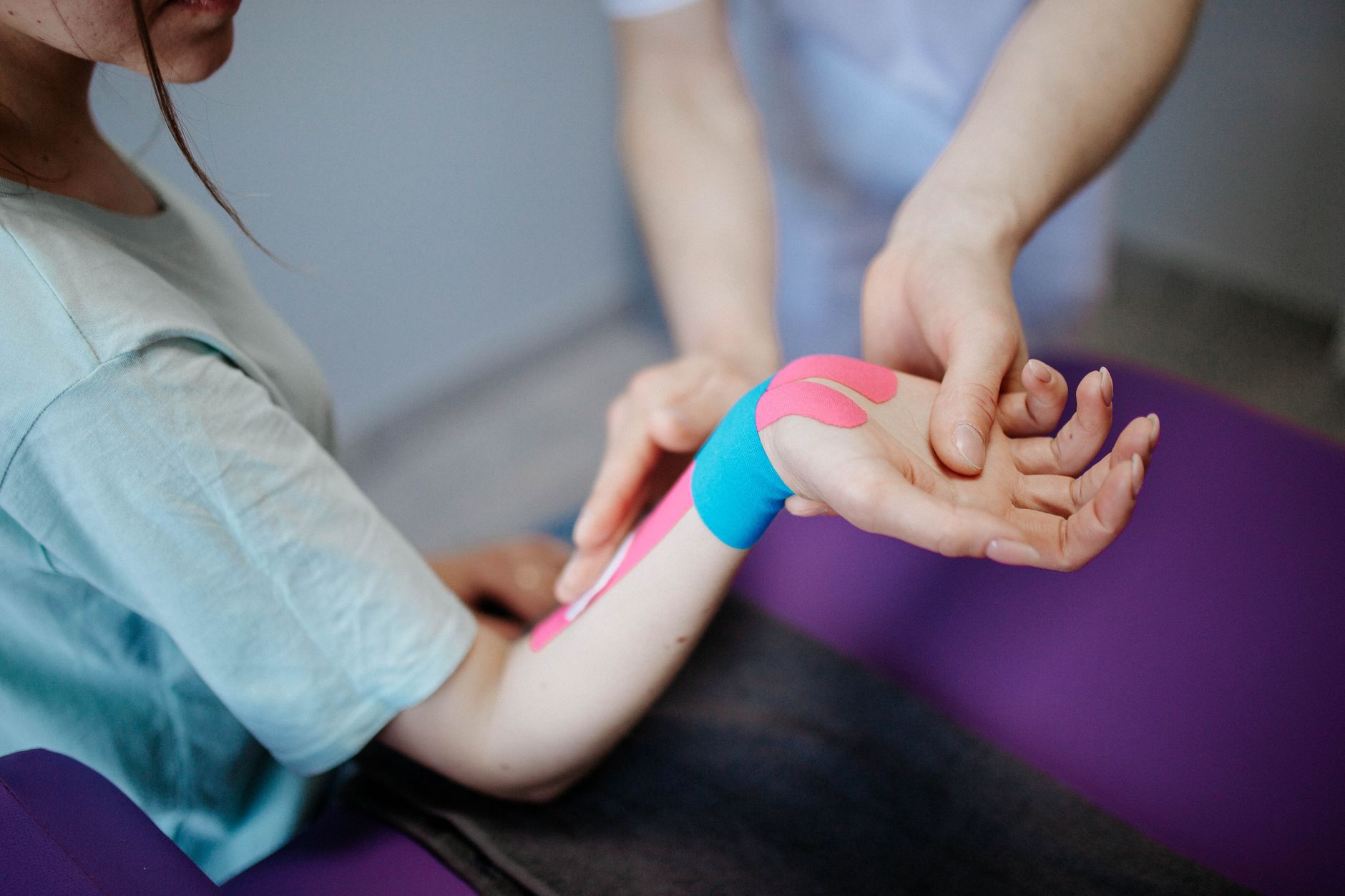
The wrist position that causes damage
Look at your wrists right now. Are they bent upward? Downward? To the side? Your wrists should be straight — a neutral extension of your forearm. Any bend compresses the carpal tunnel in your wrist and pinches the median nerve that runs through it.
The carpal tunnel is a narrow passageway of bone and ligament. When your wrist is bent, the tunnel narrows and squeezes the nerve. Do that for eight hours a day, five days a week, and eventually the nerve gets inflamed. That is carpal tunnel syndrome.
How to set up your desk
Chair height: Your feet should be flat on the floor. Your knees should be at or slightly below hip level. If your chair is too high and your feet dangle, get a footrest — a stack of printer paper works in a pinch.
Keyboard position: Your elbows should be at roughly a 90-degree angle. Your forearms should be parallel to the floor. Your wrists should float above the keyboard, not rest on the desk or a wrist rest while typing. Wrist rests are for resting between typing, not during.
Monitor height: The top of your screen should be at or slightly below eye level. If you look down at your screen, you hunch. If you hunch, your shoulder position changes and your wrists follow.
The two-minute stretch that saves your wrists
Every hour, do this: Extend one arm straight out, palm up. Use your other hand to gently pull your fingers down toward the floor. Hold for fifteen seconds. Flip your hand palm down and pull your fingers toward you. Hold for fifteen seconds. Switch hands.
Then make fists, rotate your wrists in circles ten times each direction, and shake your hands out for ten seconds. This takes two minutes and keeps the nerve and tendons from tightening up.
What I changed
I lowered my chair two inches. I stopped resting my wrists on the desk while typing. I set a timer to stretch every hour. Within three weeks the pain was gone. Within two months I could open jars again.
The peanut butter jar still taunts me sometimes. But at least now I win.
📋 Quick Summary: Keep wrists straight and floating while typing. Align chair height so feet are flat and elbows at 90 degrees. Stretch wrists for two minutes every hour — extend, pull, rotate, shake.