The Trick to Making Your Christmas Lights Last Until New Year
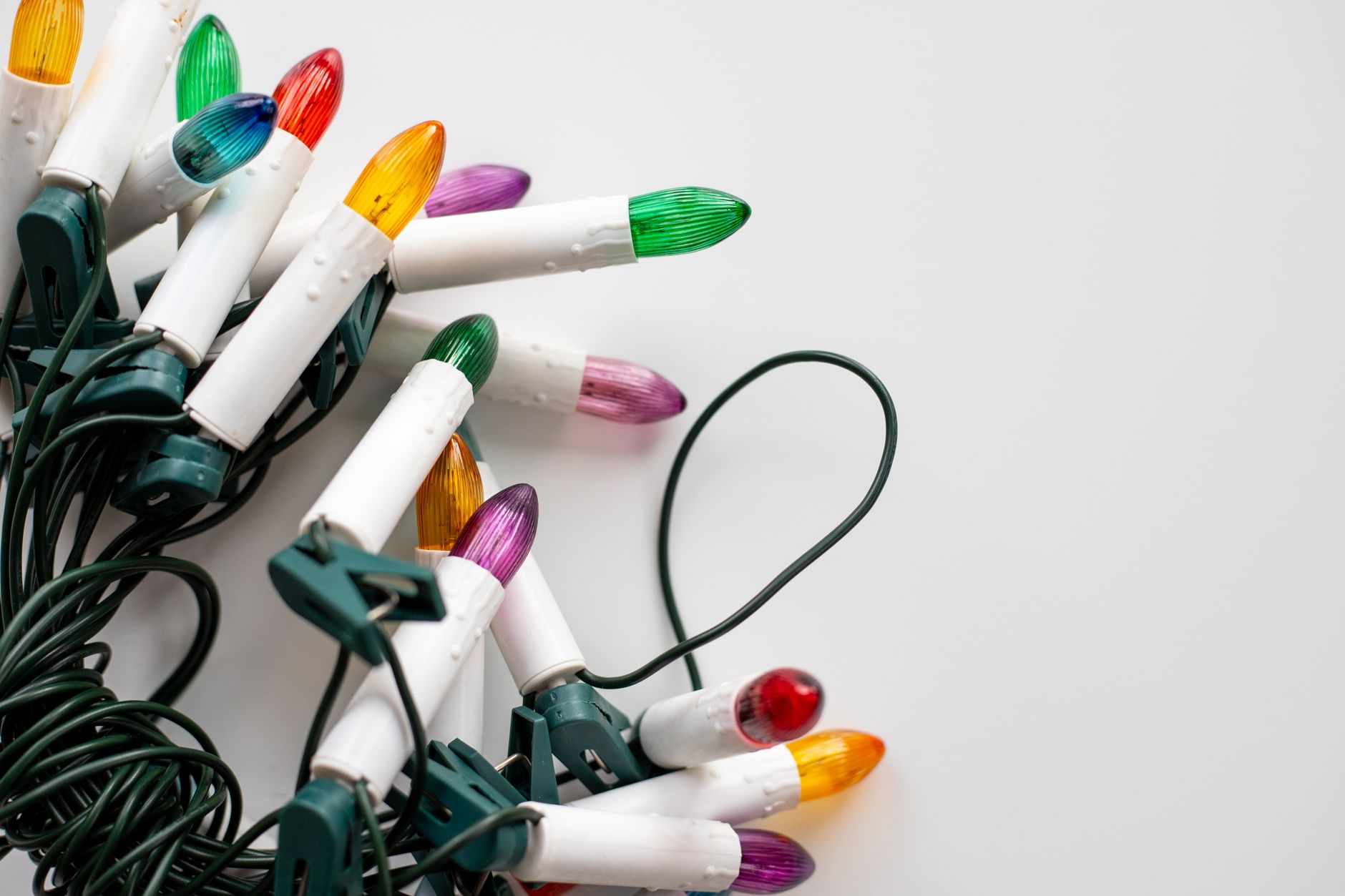
The First Week Curse
Two years ago I hung a thousand lights on the weekend after Thanksgiving, plugged them in, and watched the whole back half of the string go dark by Tuesday. I spent a cold evening swapping bulbs one by one while my fingers went numb. Never again.
Most Christmas light failures are the same few causes, and you can prevent almost all of them before you hang a single strand.
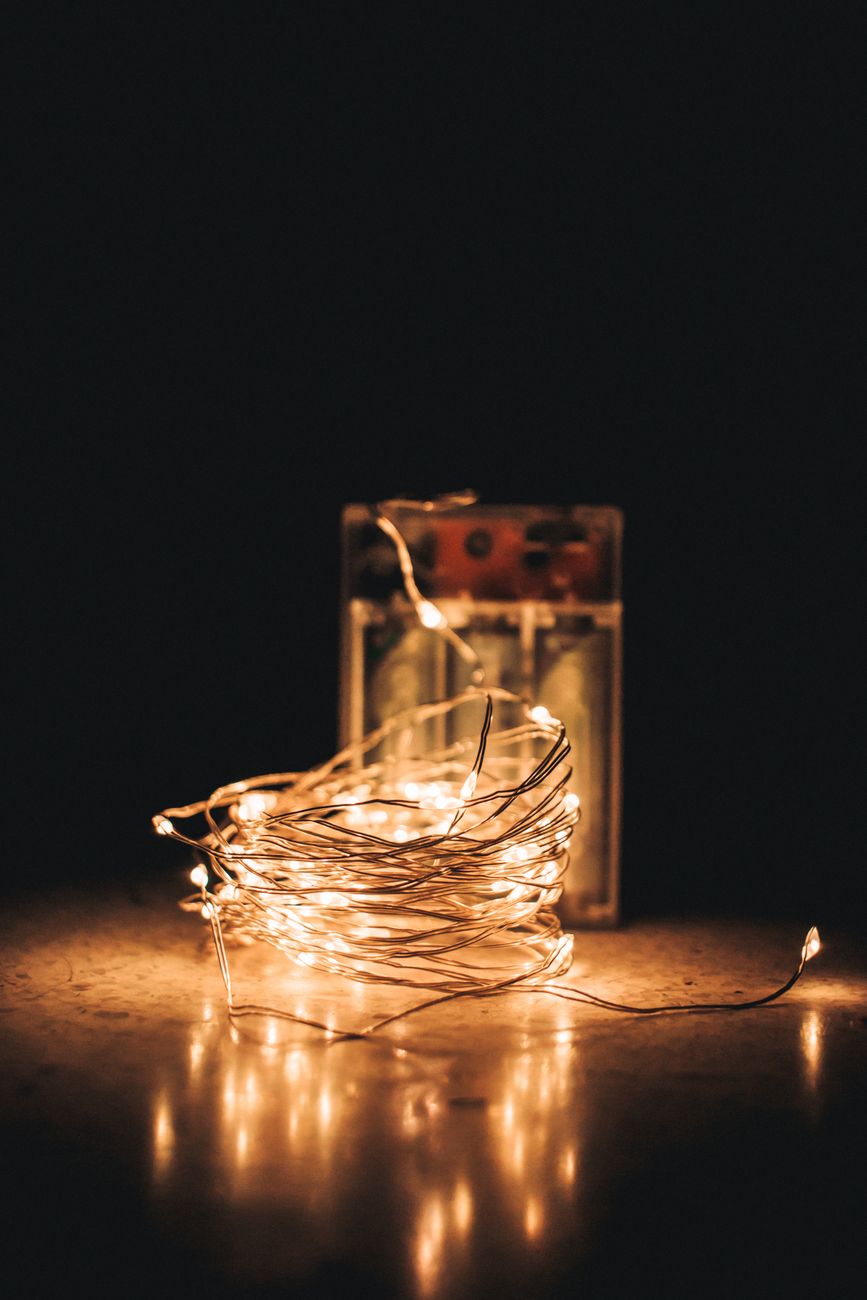
The Bulb Test Before Hanging
Test every strand before you hang it. Plug it in and check for dark bulbs, because one dead bulb can kill a whole series circuit. Have a box of replacement bulbs on hand and fix the strand on the ground, not on the ladder.
Also check the fuse in the plug. If half the strand is dark and the other half works, it is almost always the fuse, not the bulbs. Spare fuses come in the box with new lights, so keep the spares from last year.
How You Hang Them Matters
Do not staple through the wire. A staple that nicks the insulation shorts the strand later, usually at the worst moment. Use light clips that grip without piercing.
Do not daisy chain more than three strands on standard sets. The plug overheats, the fuse blows, and you are back on the ladder. Use extension cords to split into separate runs.
The Weather Factor
Rain is the silent killer. Keep every connection off the ground and pointed downward so water cannot run into the plug. A little electrical tape around each connection adds cheap protection.
- Test strands and swap dead bulbs before hanging
- Replace fuses instead of throwing away sets
- Use clips, never staples
- Keep plugs dry and off the ground
Last year I followed all of this and every single light stayed on through New Year. I am convinced the ten minutes of pre-hanging checks is what did it.
📋 Quick Summary: Test strands before hanging, fix dead bulbs and fuses early, use clips instead of staples, and keep plugs dry. Pre-hanging checks stop the mid-season blackout.