The Sunlight Trick That Fixes Your Sleep Schedule

I spent two years fighting my sleep schedule. I would go to bed at 2 a.m., wake at 10, feel groggy all day, and repeat. Then I read about circadian rhythm and how light sets the body’s internal clock. The fix was free, and it worked faster than I believed it would.
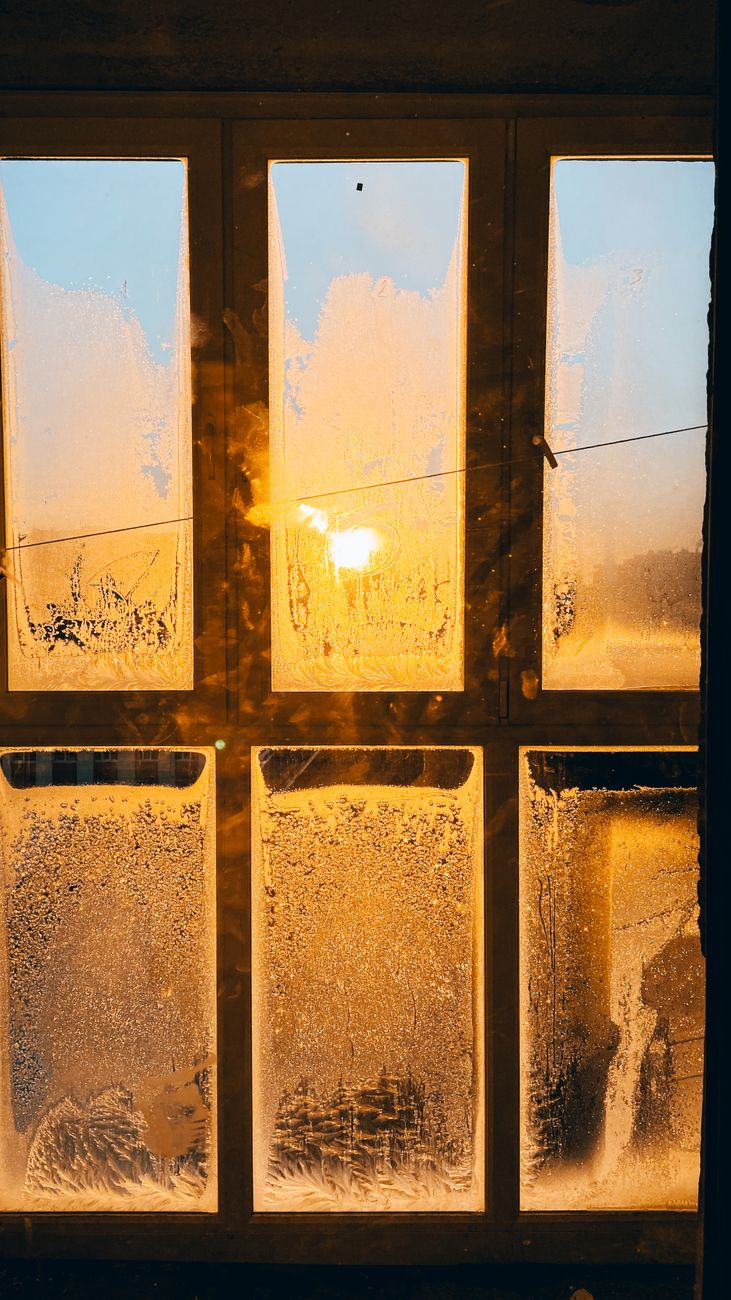
Your body reads light as the signal for day and night. Bright light in the morning sets your clock, and dim light at night keeps it set. That is the whole trick.
Ten Minutes of Morning Sunlight
Within an hour of waking, get ten to fifteen minutes of natural light, ideally outdoors. No sunglasses, no window glass, just step outside or sit by an open door. Cloudy days still count, the light outside is always brighter than indoor light.
I drink my coffee on the porch now. It felt ridiculous for the first week, and then I started waking up before my alarm.
Dim the Lights After Sunset
The evening half of the trick is just as important. Bright screens and overhead lights after dark tell your brain it is still daytime.
An hour before bed, I switch to lamps instead of the ceiling light and turn my phone brightness down. It sounds like a small thing, but it made falling asleep noticeably easier.
Use It to Beat Jet Lag
The same principle works for travel. Get bright light in the morning at your destination to pull your clock toward the new time zone. If you arrive in the afternoon, stay in bright light until evening, then sleep in a dark room.
On a trip last month I landed at 7 a.m., spent the morning outside, and slept through the night like normal. My previous trips took three days to adjust.
📋 Quick Summary: Get ten minutes of natural light within an hour of waking, dim lights after sunset, and use morning sunlight to reset after travel.