The Summer Power Outage That Taught Me to Keep a Cooler Ready
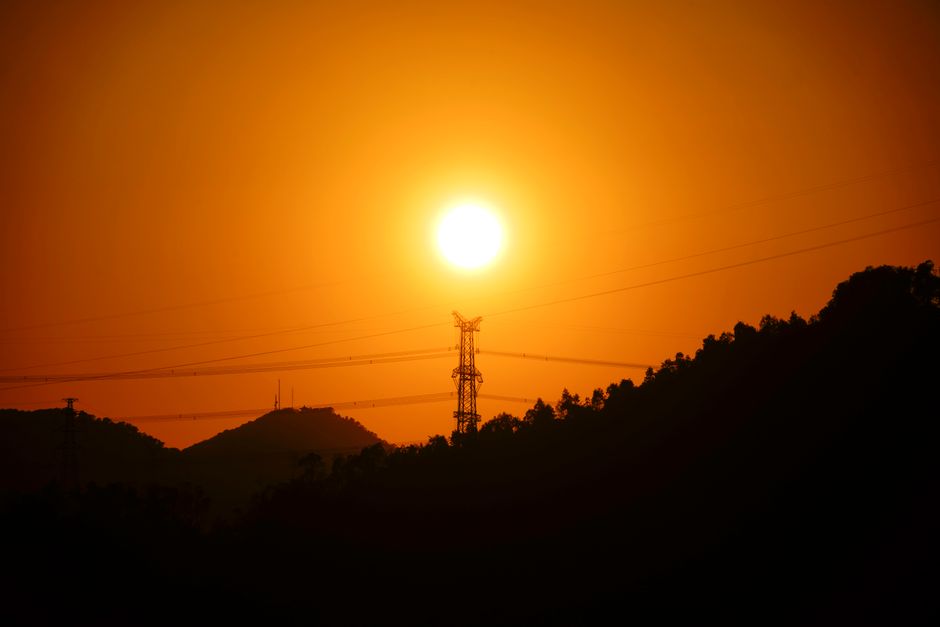
Three summers ago, a thunderstorm knocked out our power for four days straight. I was not prepared. At all. The temperature outside hit 97 degrees, and inside our house it felt like a sauna designed by someone who genuinely hated comfort. My wife and I had just done a massive grocery run the day before. We had steaks, chicken breasts, three gallons of milk, and enough yogurt to open a small cafe. Within twelve hours, everything in the fridge started sweating. By day two, the smell was so bad we had to move the fridge to the garage.
Understanding the Problem
📸 Photo by PNW Production on Pexels
I lost over three hundred dollars worth of food that week. It was painful. I grew up in a family that never wasted anything, and watching those groceries spoil felt like setting money on fire. After the power came back and we finished crying into our takeout containers, I decided I would never let that happen again. I researched emergency preparedness and discovered that keeping a well-stocked cooler strategy is not just for camping, it is a legitimate home management skill.
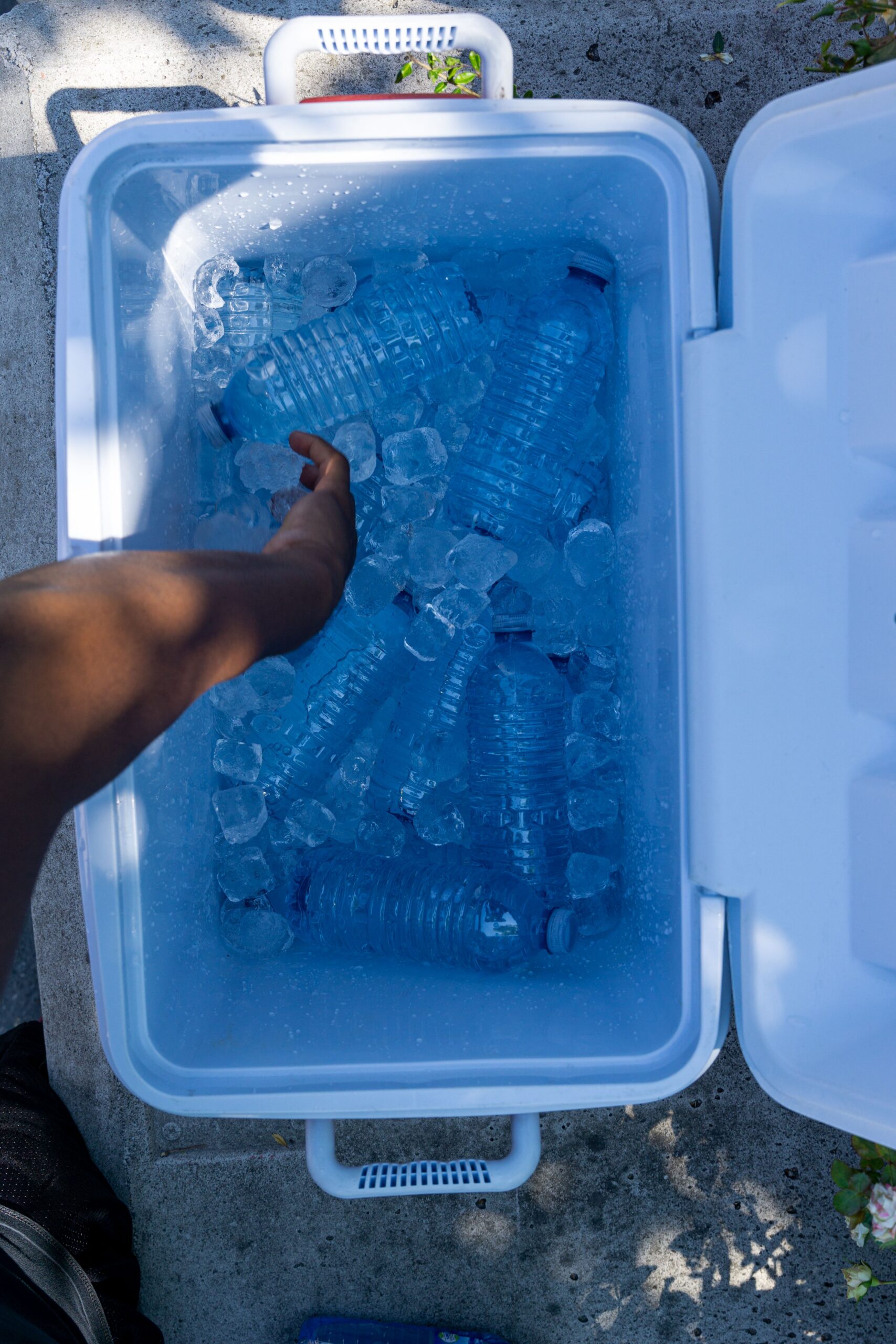
Here is what I have assembled since that disaster. I bought two high-quality rotomolded coolers, the kind that keep ice for five days. They were expensive upfront but have paid for themselves several times over. I keep them empty and stacked in the garage, ready to go. When a storm warning hits, I fill them with ice from the freezer and transfer the expensive stuff first. Meats, dairy, medications that need refrigeration, all go in. I also learned the hard way that a full cooler stays cold longer than an empty one, so I fill empty space with frozen water bottles that double as drinking water when they melt.
The Proven Solution
The other lesson I learned is about non-electric entertainment. We had nothing to do for four days besides sweat and argue about whose idea it was to buy so much yogurt. Now I keep a box in the closet with board games, a deck of cards, and two paperback novels I have been meaning to read. I also bought a portable battery pack that can charge phones for a week and a small solar panel that folds up to the size of a notebook. These things live in a dedicated emergency bin next to the coolers.
One thing nobody told me about power outages is how dark it gets at night. No streetlights, no nightlights, no glow from electronics. The first night, I stubbed my toe so hard I thought I broke it. Now each room has a battery-operated LED lantern within reach, and I keep a headlamp in my nightstand. It sounds excessive until you are stumbling through your own house at 2 AM trying to find a bathroom.
That four-day outage was miserable, but it permanently changed how I think about home preparedness. I am not a doomsday prepper by any stretch, but having a plan for a few days without electricity has saved our groceries twice since then and kept tensions low during what could have been stressful situations.