The Secret to Tender Meat Every Time You Cook
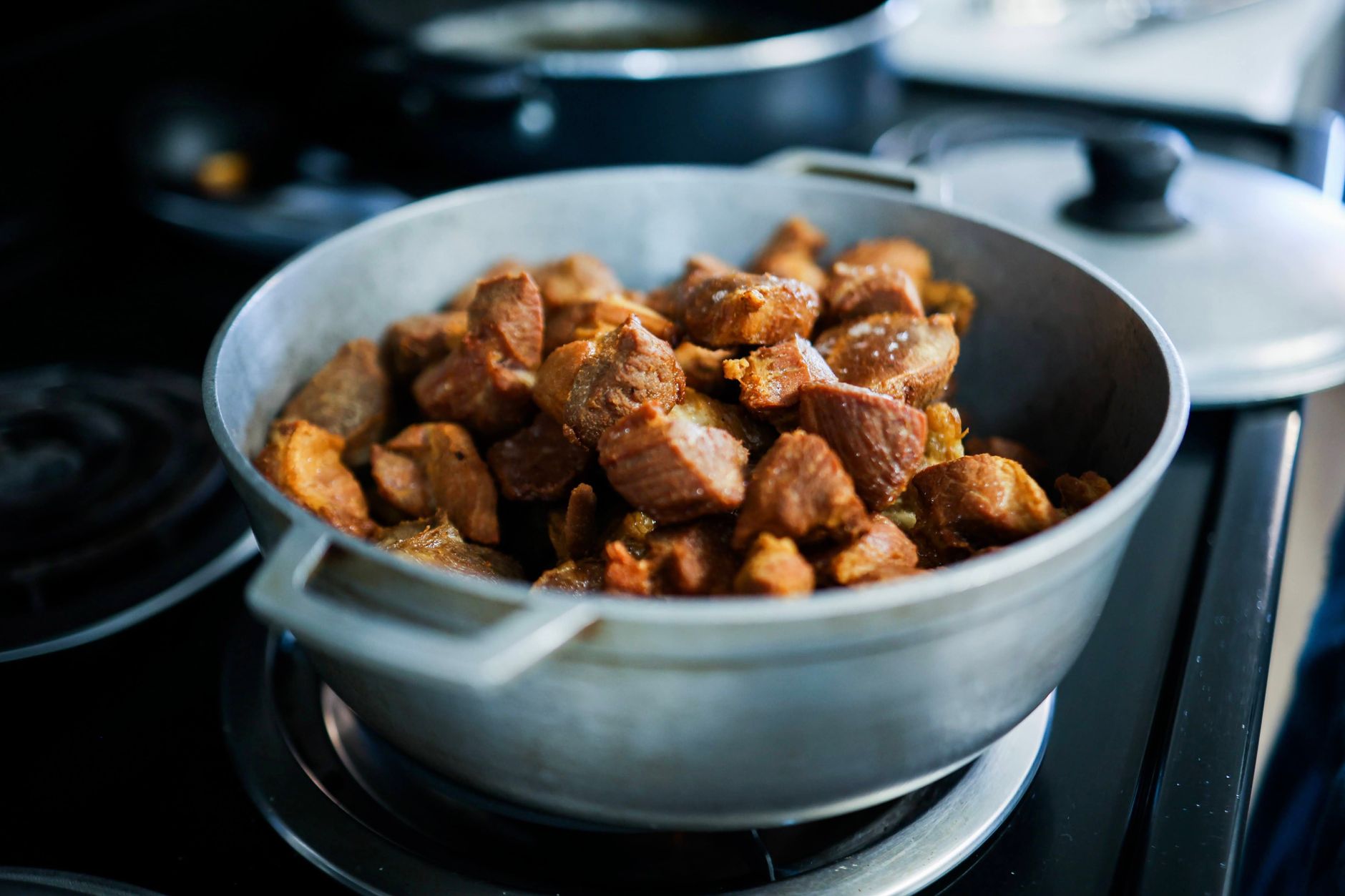
My dad could ruin a steak in under four minutes. Every Sunday, he’d march out to the grill, flip the meat seventeen times, press it flat with the spatula like he was punishing it, and serve something that tasted like shoe leather with ketchup. I grew up thinking that was just how meat worked.
Then I moved in with a roommate who worked at a butcher shop. First time she cooked for us, I watched her pull chicken from the fridge forty minutes before cooking. She saw my face and laughed. “You cannot cook cold meat,” she said. “Well, you can. But you should not.”
” alt=”tender meat preparation techniques” style=”width:100%;height:auto;border-radius:8px”>
The Cold Meat Problem
Here is what nobody told me for thirty years. When cold meat hits a hot pan, the outside sears immediately while the inside stays cold. By the time the center reaches safe temperature, the outer layer is overcooked and tough. The fix is so simple it feels like cheating. Take meat out of the fridge 30 to 45 minutes before cooking. For thick cuts like pork chops or chicken breasts, go a full hour.
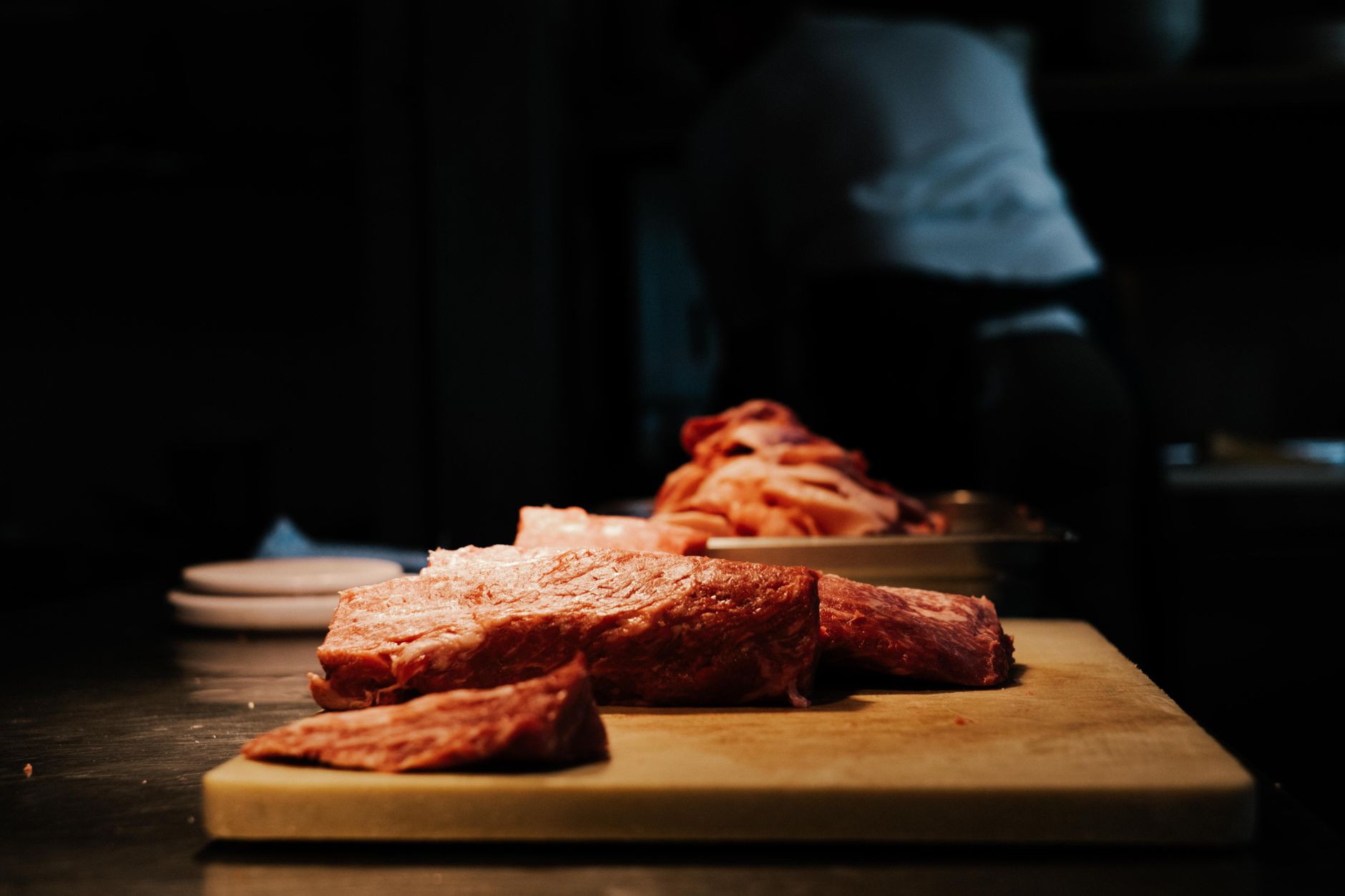
That one change took my chicken from “edible” to “I would serve this to someone I like.”
Salt Early, Not Late
I used to salt right before cooking. That does almost nothing. Salt needs time to dissolve and work its way into the meat fibers. Salt your meat at least 40 minutes before cooking — or better yet, the night before. The salt draws moisture out, dissolves, then gets reabsorbed deeper into the meat. It is the difference between salty surface and seasoned-through.
One caveat. Do not salt more than 24 hours ahead or the texture starts getting cured, which is a different thing entirely. I learned that the hard way with some chicken thighs that ended up tasting like deli meat.
The Rest Period Is Not Optional
When meat cooks, the muscle fibers contract and squeeze moisture toward the center. Cut it right away and that juice runs onto your cutting board instead of staying in the meat. Rest meat for at least 5 minutes for small cuts, 10-15 for larger ones.
My butcher roommate had a rule. “If you think it is rested enough, wait three more minutes.” She would put a loose tent of foil over it and walk away. I have never once regretted following this advice.
Use a Thermometer
For years I thought thermometers were for people who could not cook. Wrong. Even professional chefs use them because color and texture lie. A chicken breast can look done on the outside and be 145°F inside. Pork can stay pink and be perfectly safe at 145°F. I spent thirty bucks on an instant-read thermometer and suddenly my meat was consistent for the first time in my life.
Pull beef at 125-130°F for medium-rare. Chicken at 160°F (it climbs to 165 while resting). Pork at 140-145°F. These numbers changed everything.
Quick Summary: Room temperature meat + early salt + proper rest + a thermometer = tender meat every single time. Four things, none complicated, all free.