The Rubber Band Trick That Keeps Your Cutting Board From Slipping
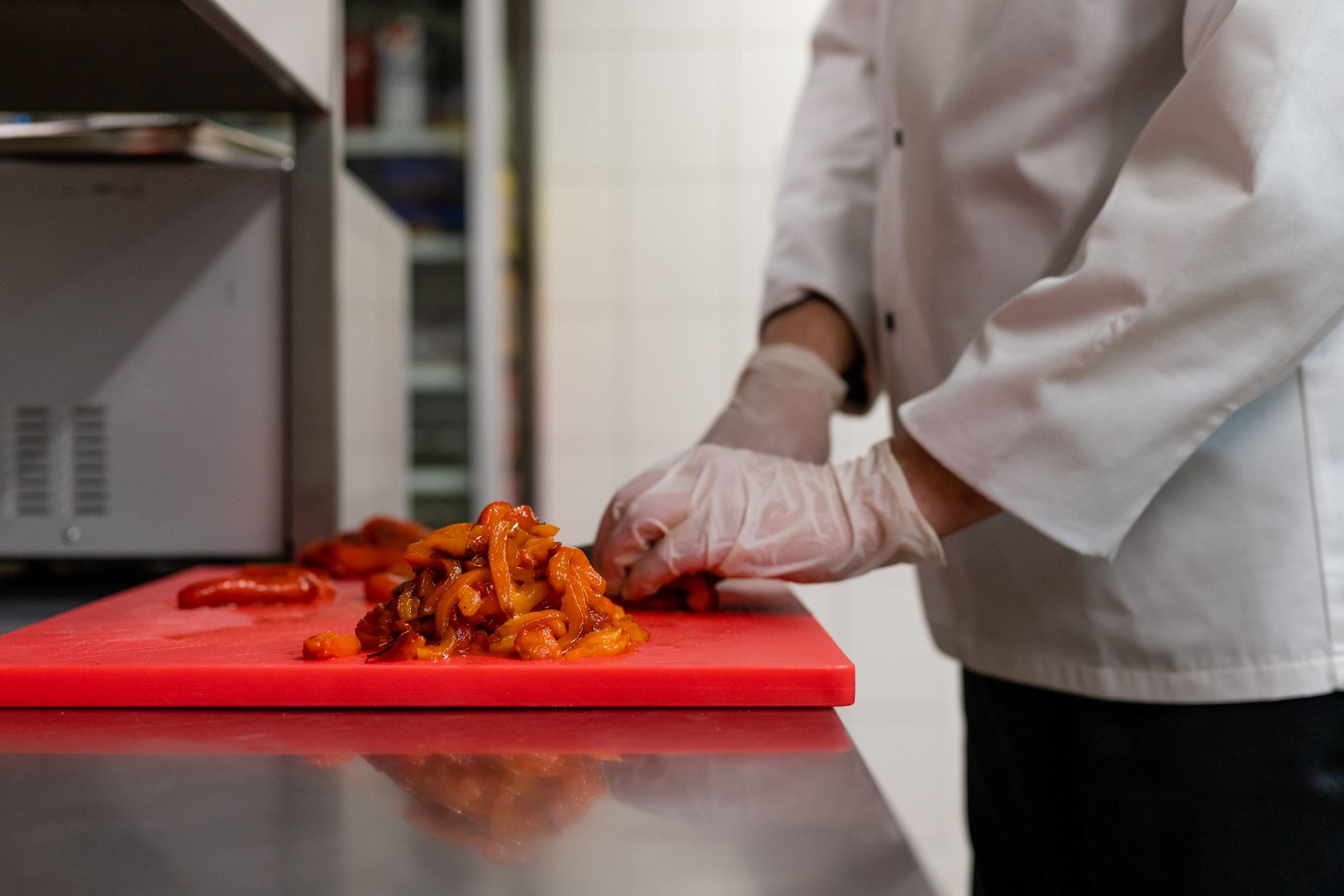
Wrap two rubber bands around each end of your cutting board. That is the whole trick. Everything below is just me explaining why it took me so long to figure this out.
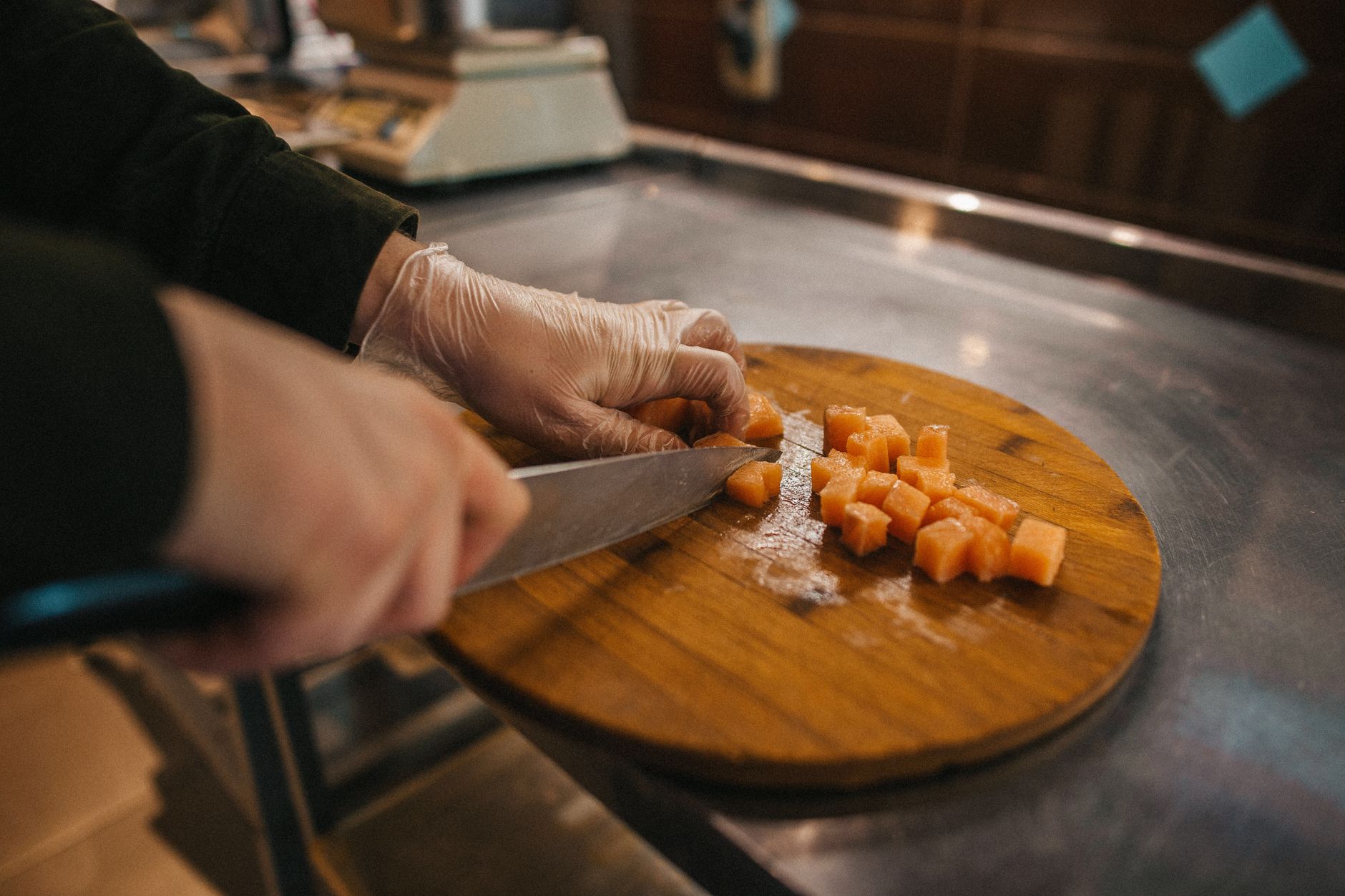
I was chopping carrots for soup when the cutting board shot forward and the knife missed my finger by maybe half an inch. This was not the first time. I had tried everything: a damp paper towel underneath (works for five minutes, then dries out), a silicone mat (works but adds clutter), one of those non-slip boards (expensive and eventually the grips wear smooth).
Then I stayed at an Airbnb where the host had thick rubber bands on both ends of her cutting board. She had been doing it for years. She was a retired chef. I felt both grateful and stupid.
Why Rubber Bands Work
The problem with cutting boards is that they are rigid and flat. Countertops are rigid and flat. Two flat surfaces against each other slide. A rubber band adds a high-friction contact point between the board and the counter. It grips both surfaces without adding thickness.
The key is to use wide rubber bands — the kind that come on broccoli or asparagus at the grocery store. Thin office rubber bands snap too easily and do not provide enough surface area. Save the produce bands. I keep a handful in a kitchen drawer now.
How to Do It Right
- Take two thick rubber bands — produce bands are perfect.
- Stretch one around each short end of the cutting board. Position them about an inch from the edge.
- Make sure the rubber bands lie flat, not twisted. A twisted band rolls.
- If your board is extra large, add a third band in the middle.
The bands go on the bottom side, not the cutting side. They stay there permanently — you wash the board with the bands on. They survive the dishwasher fine, though they might need replacing every few months.
What About Wooden Boards
Wooden cutting boards can be trickier because oil from the wood can degrade rubber over time. The bands still work, but you will need to replace them more often. I have a wooden board that gets oiled monthly and the bands last about two months before they start cracking.
Plastic boards are ideal for this trick. No oil, no problem. My big white plastic board has had the same two bands for six months now.
The Wet Towel Alternative
If you are out of rubber bands, a damp kitchen towel underneath the board is the next best thing. The key word is damp, not wet — too much water and the board hydroplanes. Wring the towel out until it feels barely moist, spread it flat, put the board on top. It grips well but needs to be re-dampened for long chopping sessions.
Honestly, the rubber band trick is better. It costs nothing if you save produce bands, it takes five seconds to set up, and it lasts for months. The half-inch between my finger and that knife was all the convincing I needed.
Quick Summary: Stretch two thick rubber bands (produce bands are perfect) around the ends of your cutting board. They grip the counter and stop slipping. Costs nothing, takes seconds, lasts months.