The Right Way to Store Batteries So They Last Twice as Long
The Dead Remote Mystery
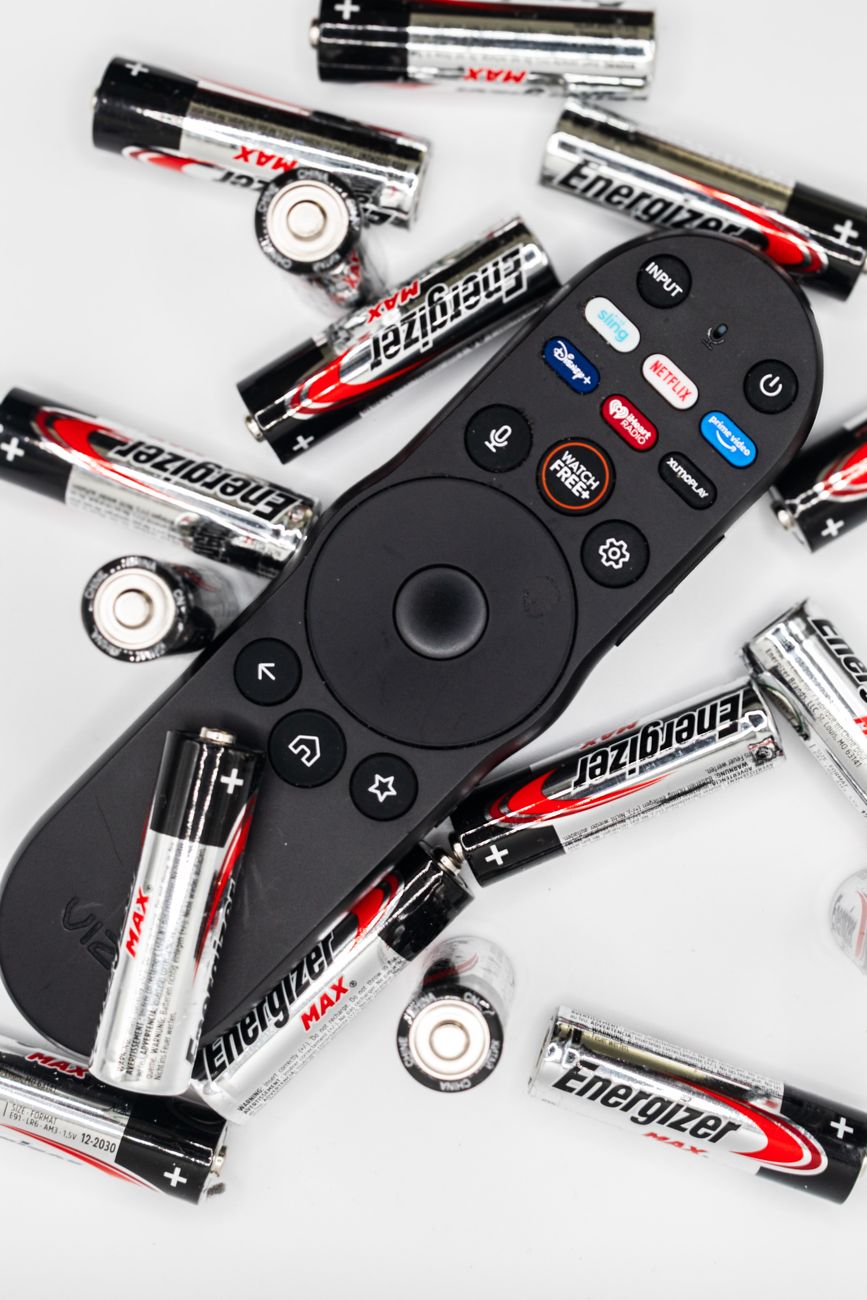
I bought a bulk pack of AA batteries, threw the extras loose in a drawer, and pulled one out three months later for the TV remote. It was dead. So was the next one. Batteries die in the drawer when you store them wrong.
The good news: proper storage makes them last years, and it costs nothing.
Cool and Dry, Not Cold
Batteries like a cool, dry place at room temperature. The old advice about keeping them in the fridge is mostly a myth for modern alkaline batteries, and the fridge creates condensation that can corrode the contacts. A kitchen drawer, a closet shelf, anywhere out of direct heat works.
Never store them near heat sources. A windowsill in summer or the top of the fridge can push them into early retirement.
The Contact Problem
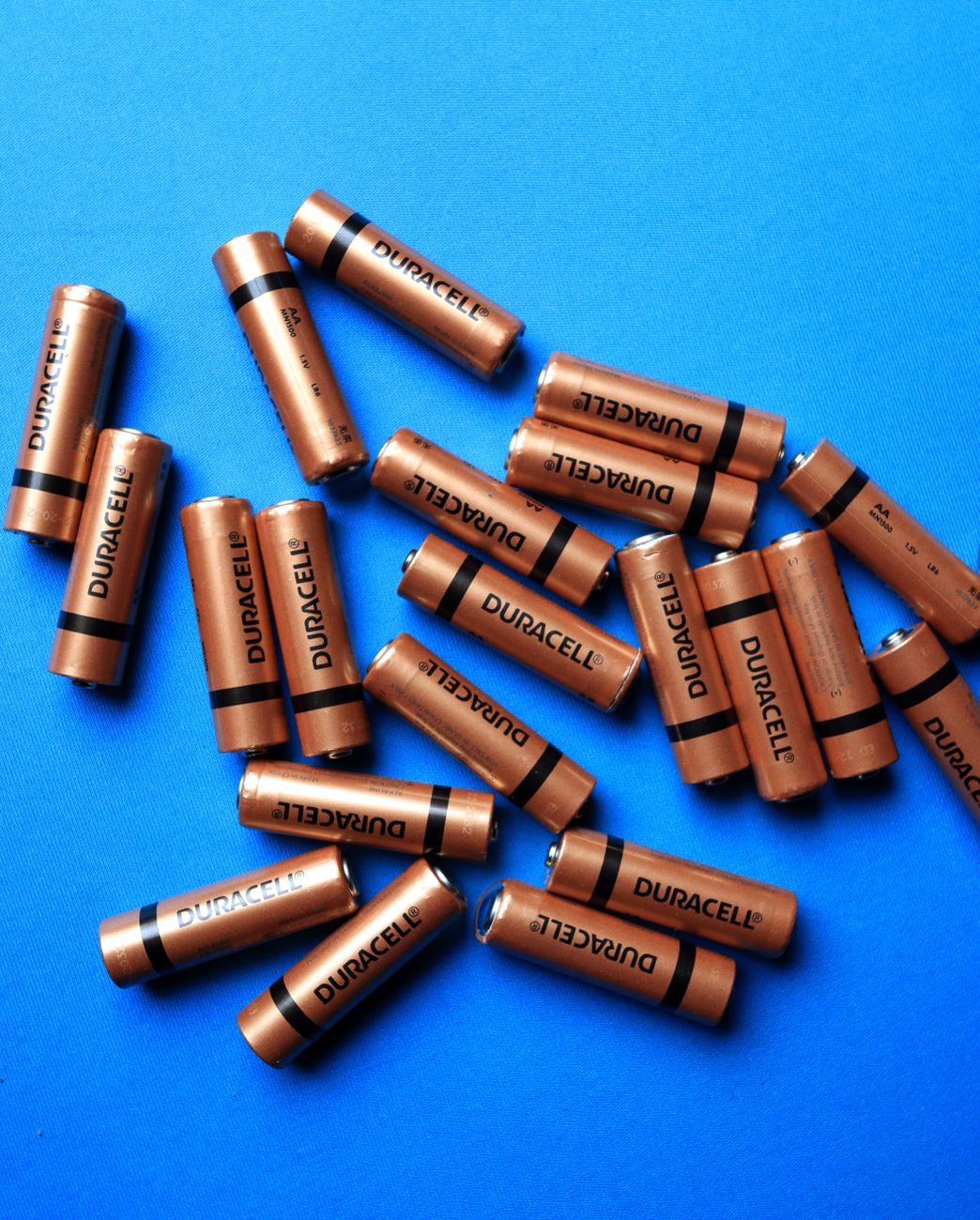
Loose batteries rattling in a drawer are a hazard and a waste. If the contacts touch metal, the battery drains slowly. That is why a drawer full of loose batteries produces a graveyard of dead ones.
The fix is simple: keep batteries in their original packaging, or store them in a container with dividers so they cannot touch each other. Tape the ends of button batteries if you store those loose, because they short out the easiest.
Match, Do Not Mix
Do not mix old and new batteries in the same device. The old ones drain the new ones and can leak. Use matched pairs from the same pack, and replace them together.
- Store at room temperature, out of heat and sun
- Keep them in original packaging or a divider box
- Keep contacts from touching anything metal
- Use matched batteries and replace as a set
I switched to a divided organizer box and the pack of AAs I bought last year still tests like new. The drawer graveyard is gone, and the remote never dies mid-episode anymore.
📋 Quick Summary: Store batteries at room temperature, keep them in original packaging or a divider box so contacts never touch, and avoid mixing old and new. No fridge needed.