The Freezer Hack That Makes Grating Butter a Breeze
I ruined a batch of biscuits so badly one Thanksgiving that my aunt — who is the sweetest person I know — asked if I had “tried a new recipe.” That is Southern for “what happened here.”
The recipe said “cut cold butter into flour.” My butter was not cold enough. I overworked the dough trying to incorporate it. The biscuits came out dense and flat — more like hockey pucks than the fluffy layers I had pictured.
Then someone showed me the grater trick.
Why Grating Beats Cubing Every Time
When a recipe calls for cutting butter into flour — biscuits, scones, pie crust, certain cookies — you are trying to create tiny pockets of butter that will melt during baking and release steam. That steam creates flaky layers. If the butter chunks are too big or uneven, you get greasy spots and dense patches.
Grating butter on a box grater creates uniform shreds that distribute through the flour almost instantly. You need minimal handling, which means the butter stays cold and your dough stays tender.
But grating soft butter is a mess. It smears. It clogs the holes. You end up with butter-coated knuckles and a grater you will be scrubbing for ten minutes.
The Freezer Is the Answer
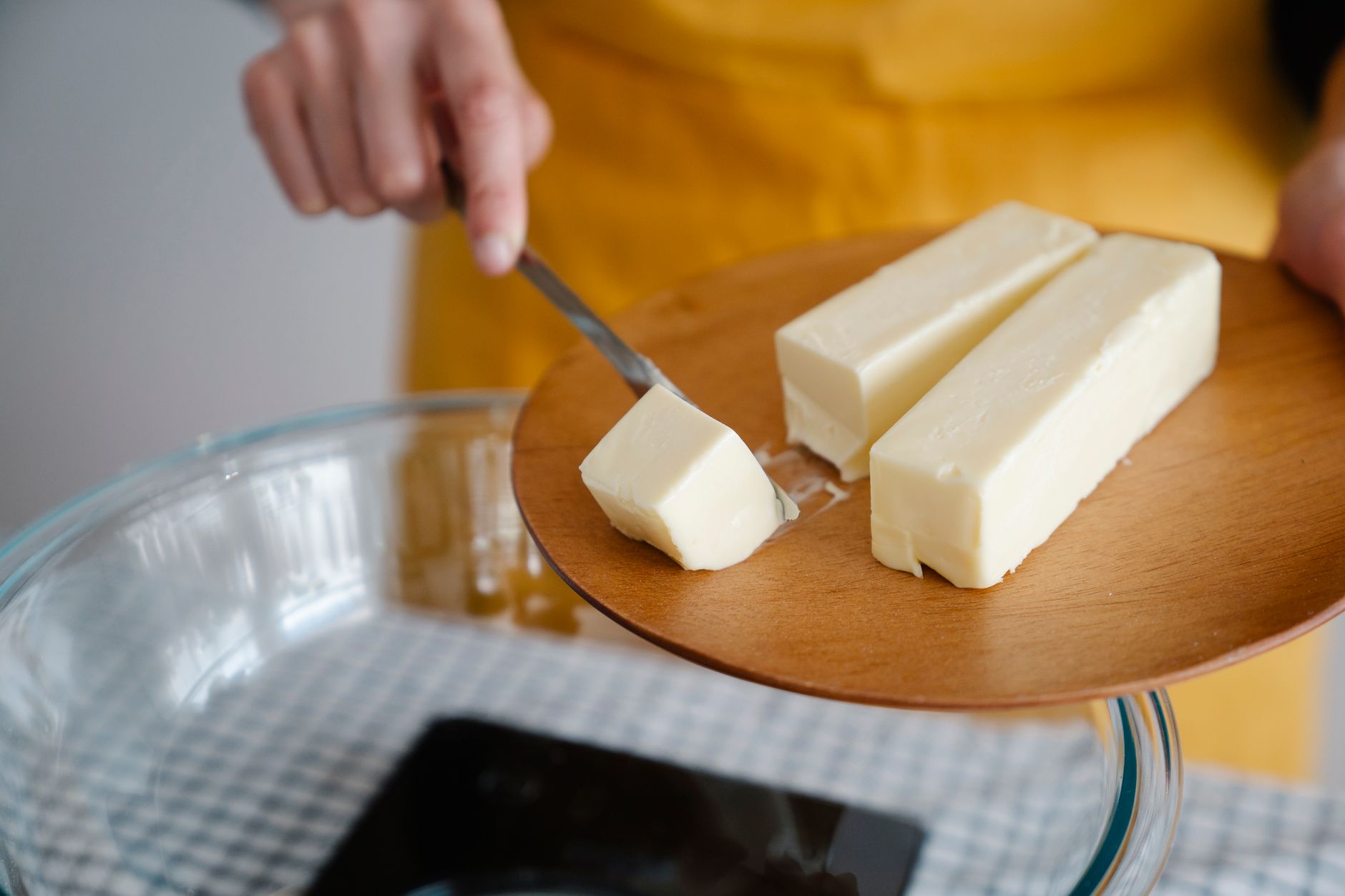
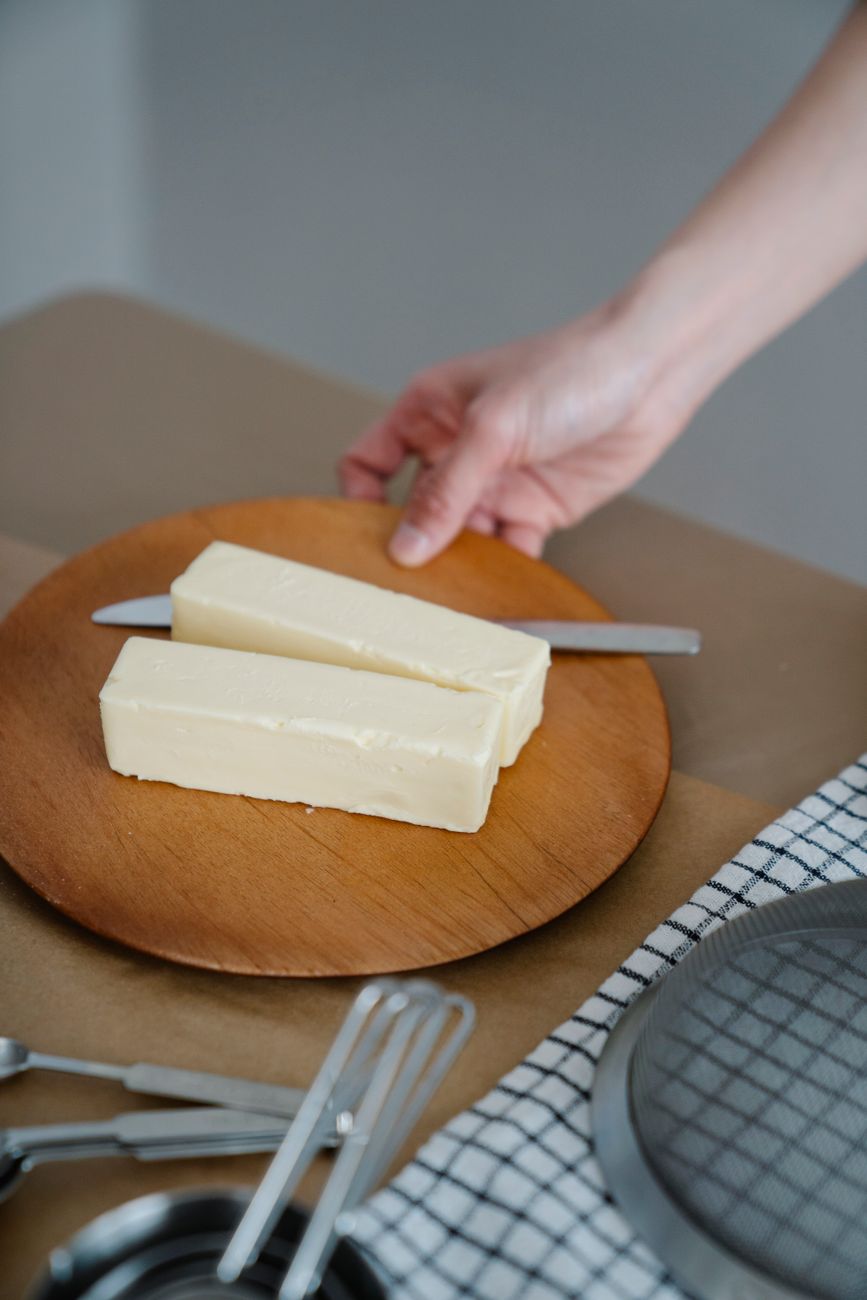
Stick a stick of butter in the freezer for 15 to 20 minutes before grating. Not the fridge — the freezer. You want it firm but not rock-solid. If it freezes completely, let it sit on the counter for five minutes.
When it is properly chilled, the butter grates like a hard cheese. Clean shreds. No smearing. No clogged grater holes. You can grate an entire stick in about 30 seconds.
Here is the full sequence I follow now:
- Freeze butter 15-20 minutes (set a timer).
- Meanwhile, measure your dry ingredients into a large bowl.
- Grate the butter directly into the flour using the large holes of a box grater.
- Toss the shreds lightly with the flour to coat them — this keeps them from clumping back together.
- Proceed with your recipe as written.
Bonus: The Grater Cleaning Hack
Grating cold butter means less residue, but you will still have some on the grater. Run the grater under hot water — not warm, hot. Butter melts at 90°F to 95°F, so hot tap water takes it right off. Cold water just smears it around. I learned this after scraping a grater with a butter knife for way too long.
When to Use This
Biscuits: yes. Pie crust: absolutely, and it is faster than the traditional two-knife method. Scones: yes. Streusel topping: grate frozen butter directly over the flour-sugar mixture. Shortbread: grate frozen butter, toss with flour and sugar, press into pan — done.
When not to use it: recipes where butter is creamed with sugar (cookies, cakes). Grated butter does not cream properly — you need softened whole butter for that chemistry to work.
I brought grated-butter biscuits to the next Thanksgiving. My aunt took one bite and said, “Now that’s more like it.” I did not tell her the only difference was a freezer and a box grater.
📋 Quick Summary: Freeze butter for 15-20 minutes, then grate it directly into flour for flaky biscuits, pie crusts, and scones — no smearing, no overworked dough.