The Food Dehydrator That Made Cheap Dog Treats Possible
My dog is spoiled and expensive. I was buying bags of freeze dried chicken treats at eight dollars for a tiny pouch that lasted three days. Then I did the math on a food dehydrator and realized I could make a month of treats for the price of one pouch.
I bought a basic dehydrator for about $40, and my dog now eats like royalty for pennies.
Why a dehydrator pays for itself
The economics are simple: raw chicken breast costs about three dollars a pound, and a pound makes a big batch of dried treats. The eight dollar pouch I was buying held maybe half a pound of actual meat. The dehydrator paid for itself in the first month.
How to make chicken treats
The recipe is almost too simple:
- Slice boneless chicken breast into thin strips, about a quarter inch.
- Place them on the dehydrator trays, not touching.
- Dehydrate at 160F for 4 to 6 hours until dry and leathery.
- Cool completely, then store in an airtight container.
No seasoning, no salt, no oil. Plain chicken is all your dog needs, and it is healthier than most store treats.
Safety rules for dog treats
A few rules matter. Use plain meat only, no garlic or onion, which are toxic to dogs. Dehydrate to the point of dry, brittle, leathery texture, because under-dried meat can spoil. Store in the fridge if you make a big batch, and use within two to three weeks.
Beyond dog treats
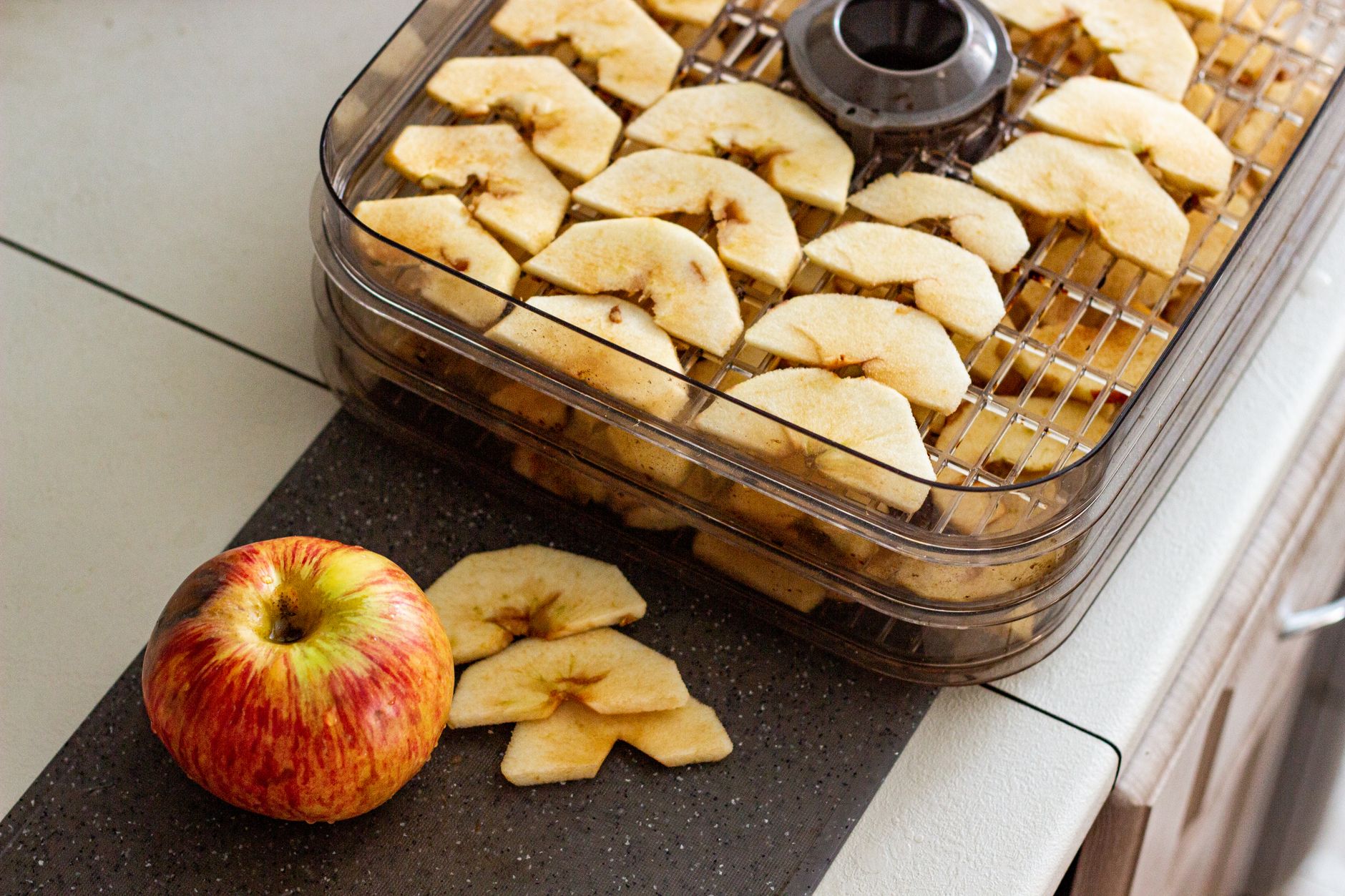
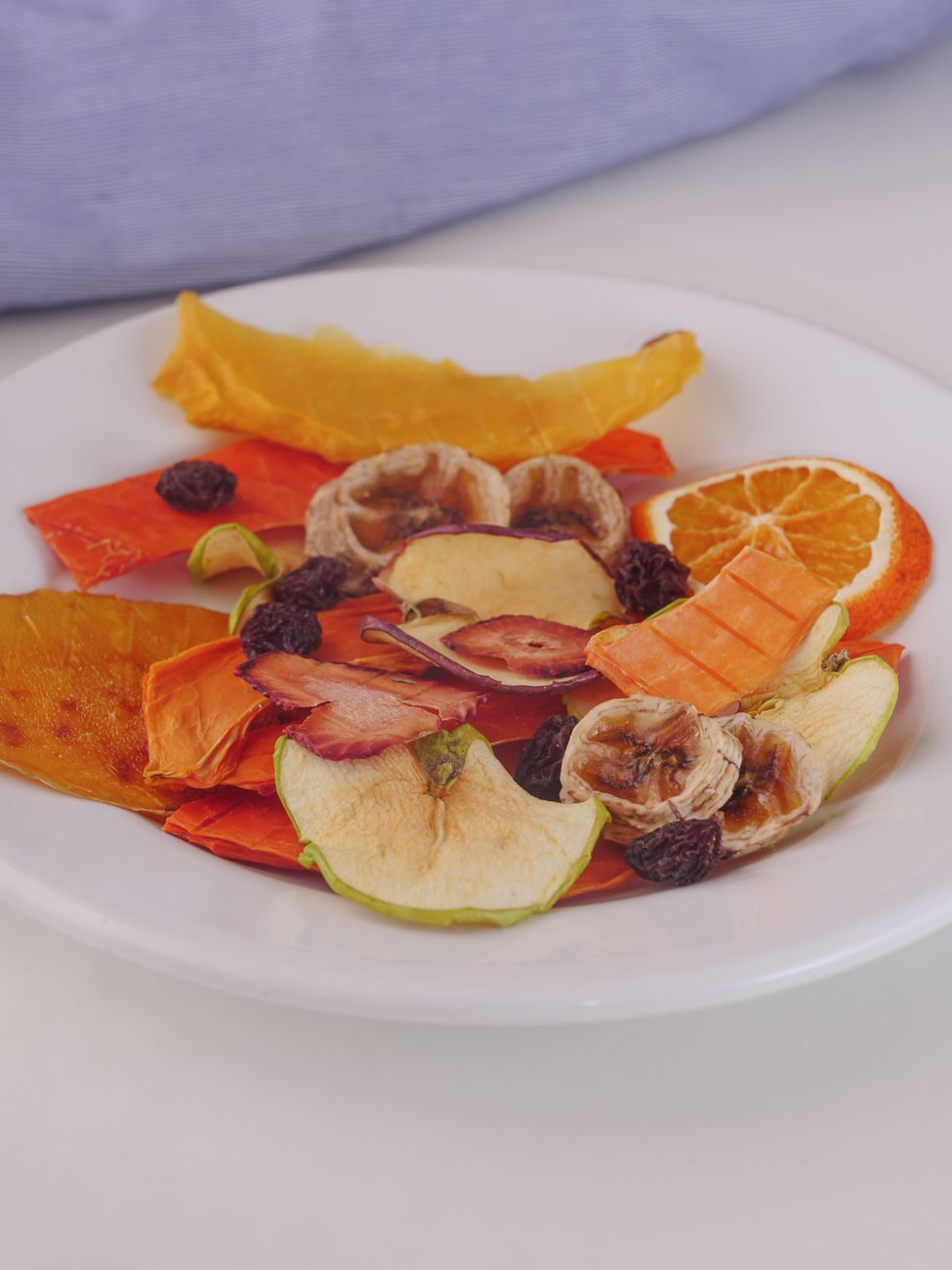
The dehydrator is not a one trick pony. I use it for beef jerky, dried fruit, fruit leather, and herbs. Apples turn into chewy snacks, strawberries become sweet chips, and herbs from the garden dry in a few hours instead of a week.
The dog treats were the excuse. The dried fruit is the reason it still lives on my counter.
What to look for in a dehydrator
For a starter, look for temperature control and at least four trays. Temperature control matters for meat, which needs 160F for safe drying. Stackable trays let you expand. A timer is nice but not essential, I use my phone.
Any downsides
It is loud, like a fan running for hours. It takes counter space. And it is not fast, drying takes hours, which means you plan ahead. None of that matters when you are making a month of dog treats for three dollars.
Quick Summary: A basic dehydrator turns cheap chicken breast into healthy dog treats for a fraction of store prices. Plain meat, 160F, 4 to 6 hours, and you are done.
My dog does not know he is eating the budget version. He sits for the homemade treats exactly like he sat for the eight dollar ones. And my wallet is a lot happier.