The Egg Freshness Test My Grandmother Taught Me That I Ignored for Years
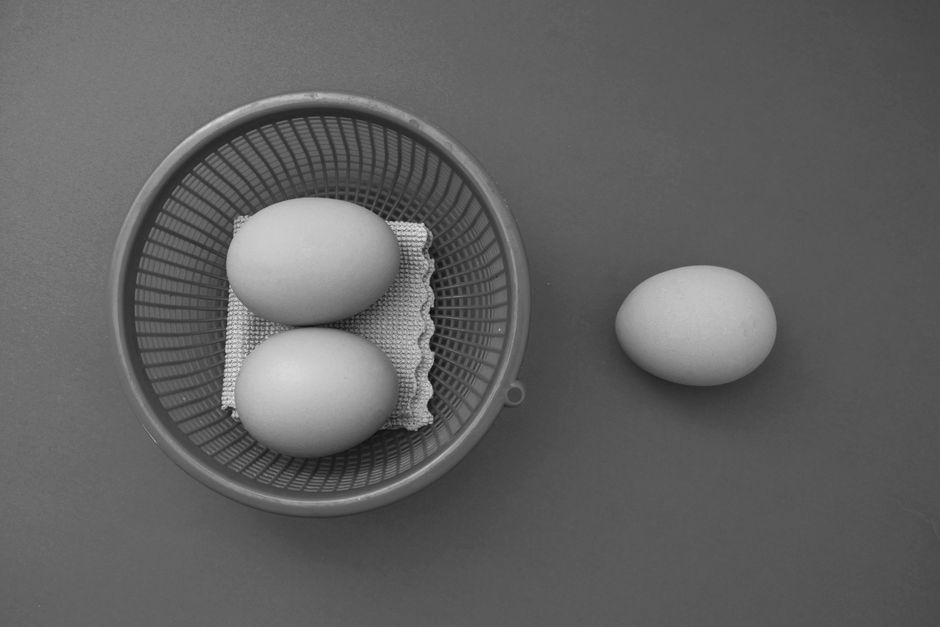
My grandmother had a rule in her kitchen that I thought was pure superstition: before she cracked any egg into a mixing bowl with other ingredients, she always cracked it into a small separate bowl first. As a kid, I found this ritual unnecessary and vaguely annoying. It slowed down her pancake production. It meant an extra dish to wash. I rolled my eyes at it for two decades.
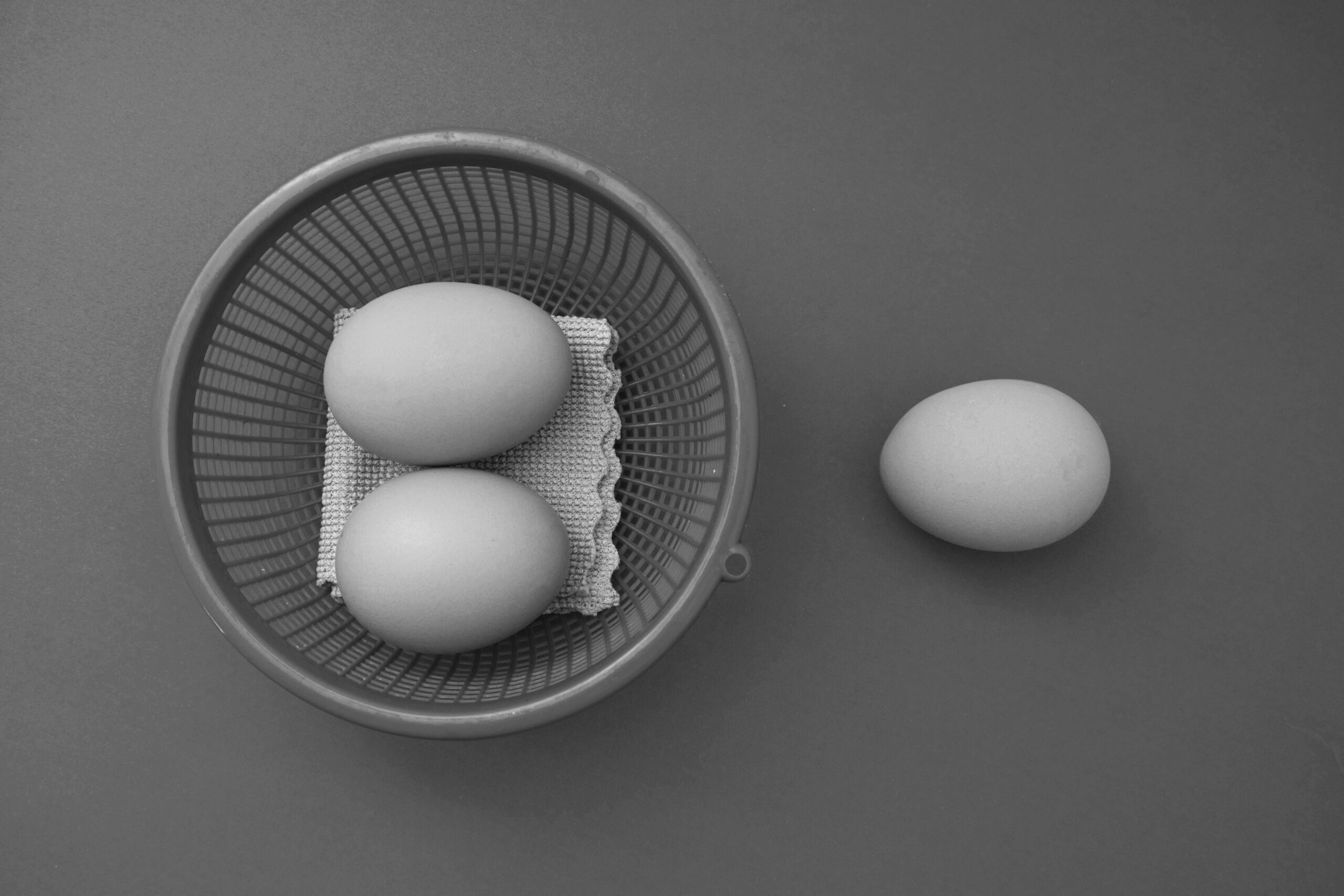
Then, one Saturday morning when I was thirty-two years old, I cracked a rotten egg directly into a bowl containing two cups of flour, a stick of softened butter, and the last of my expensive vanilla extract. The smell was immediate and unforgettable. I had to throw away the entire batch of cookie dough and start over. My kitchen smelled like sulfur for hours. My grandmother’s voice echoed in my head, gentle and amused: “I told you so.”
That experience taught me to finally take egg freshness seriously. The small bowl method is the simplest approach — it takes three seconds and saves you from the exact disaster I experienced — but there are other tests worth knowing.
The water test is the most reliable freshness check before you even crack the shell. Fill a bowl or glass with cold water and gently place the egg inside. A very fresh egg sinks to the bottom and lies flat on its side. An egg that is a week or two old will sink but stand upright on one end — still perfectly good to eat. An egg that floats to the surface has gone bad and should be discarded. The science behind this is that eggshells are porous. Over time, moisture evaporates through the shell and air takes its place, making the egg more buoyant. A floating egg is an old egg.
I also learned the plate trick for checking freshness after cracking. A fresh egg has a firm, domed yolk that sits high and a thick, cloudy white that clings closely around it. As eggs age, the yolk flattens and spreads, the white becomes watery and thin, and the whole thing sort of slumps across the plate. I have cracked eggs that looked like they were giving up on life, and those always go into the trash or, if they pass the sniff test but look tired, into the dog’s bowl.
One counterintuitive thing I discovered: the expiration date on egg cartons is far more conservative than reality. In the United States, eggs are typically dated about thirty days from the day they were packed, but properly refrigerated eggs can last three to five weeks beyond that date. I have done the water test on eggs that were two weeks past their carton date and had them sink straight to the bottom, perfectly fresh. The date is a guideline, not a verdict.
Storage matters enormously. I used to keep my eggs in those molded plastic trays built into the refrigerator door, where they get jostled every time someone opens the fridge and exposed to temperature fluctuations. Eggs stay freshest in their original carton on a middle shelf, where the temperature is most consistent. The carton also protects them from absorbing odors from other foods — eggshells are porous, and eggs stored next to leftover garlic pasta will eventually taste faintly of garlic.
I called my grandmother after the rotten egg incident to confess. She listened to the whole story without interrupting, then said, “Now you know why I kept that little blue bowl on the counter.” The little blue bowl now has a permanent spot in my own kitchen. Every egg gets cracked into it first. I have not ruined a batch of anything since.
📋 Quick Summary
- An egg that floats to the surface has gone bad and should be discarded.
- I have cracked eggs that looked like they were giving up on life, and those always go into the trash or, if they pass the sniff test but look tired, into the dog’s bowl.
- As a kid, I found this ritual unnecessary and vaguely annoying.
- I also learned the plate trick for checking freshness after cracking.