The Easiest Way to Patch a Hole in Drywall That Anyone Can Do
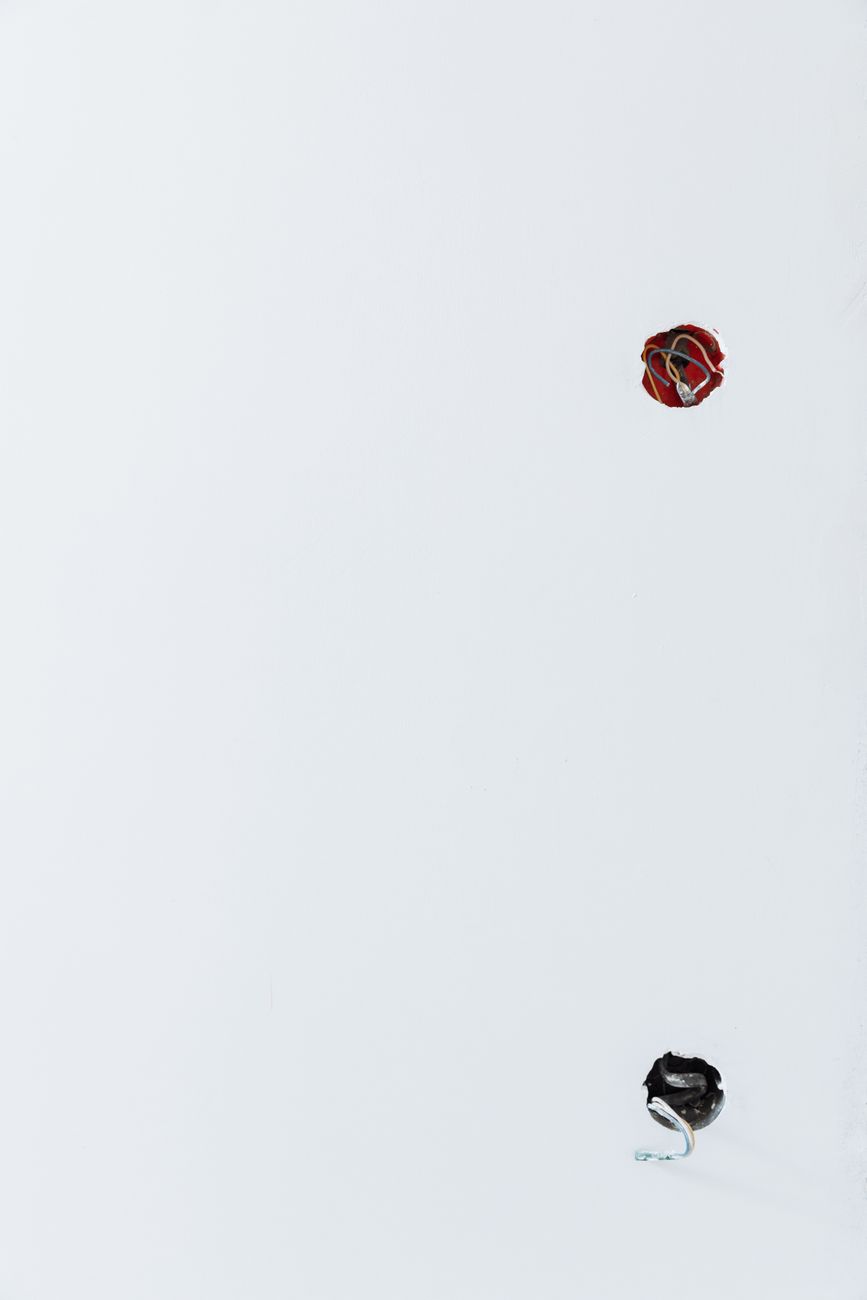
The hole was about the size of a doorknob. My son had swung the bedroom door open too hard and the knob punched straight through the wall behind it. I stared at it for three months. Partly because I did not know how to fix it, partly because every time I looked up “drywall repair” online I got videos of contractors with fifteen specialty tools I did not own.
Eventually I fixed it. The whole thing cost under twenty dollars, took about an hour of actual work spread across a weekend, and now I genuinely cannot find where the hole was. Here is what I did.
Square it up first
Do not try to patch a round hole. Use a utility knife to cut the hole into a clean square or rectangle. This sounds counterintuitive — you are making the hole bigger — but a straight-edged hole is much easier to patch than a jagged one. Cut back until you hit the studs on either side if you can; that gives you something solid to screw into.
The California patch
Cut a piece of new drywall two inches larger than your hole in both directions. On the back side, score the drywall with a utility knife two inches in from each edge — cut through the gypsum but not the face paper. Snap the gypsum off, leaving a piece of drywall that is exactly hole-sized with a two-inch paper border around it. This paper border acts as built-in joint tape.
Spread joint compound (mud) around the edges of the hole, press your patch in, and smooth the paper border into the mud with a putty knife. No mesh tape needed because the paper border serves the same function.
Mud, sand, mud, sand, paint
Apply a thin layer of joint compound over the patch, extending about six inches beyond the edges in all directions. This “feathering” makes the patch blend into the surrounding wall. Let it dry overnight. Sand lightly with 220-grit sandpaper. Apply a second, slightly wider coat. Sand again. Prime and paint.
My first attempt was too thick — I slathered on mud like frosting and it took two days to dry and looked lumpy after sanding. Thin coats dry faster and sand smoother. Three thin coats are better than one thick one.
The wall looks perfect now. My son still slams the door sometimes, but I installed a doorstop too, so we are covered on both fronts.
📋 Quick Summary: Cut the hole square, use a California patch (drywall with paper border), apply thin coats of mud, and feather at least 6 inches beyond the patch edges.