The Closet Shelf Trick That Doubles Storage Without Boxes
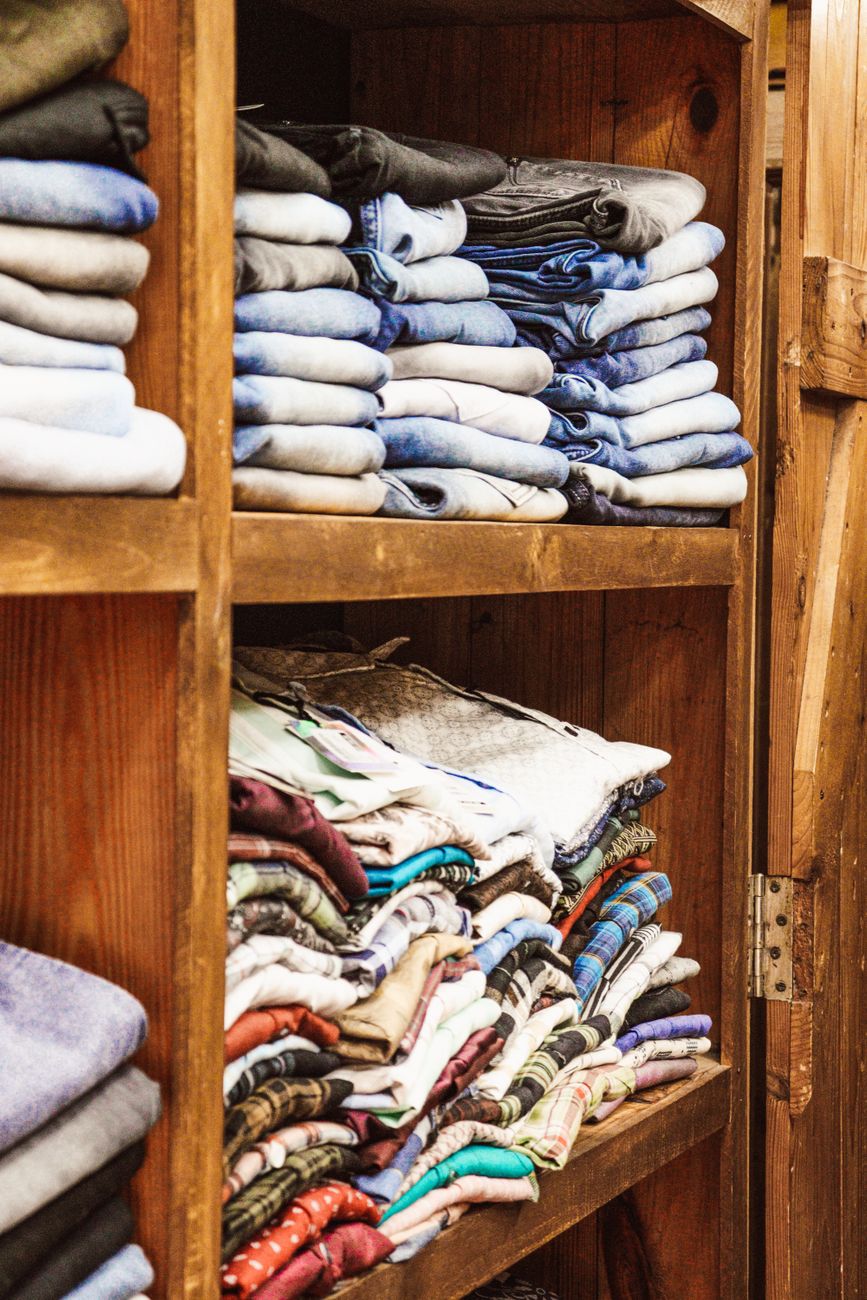
Most closets waste the top two feet. You can see it right now if you look up: one shelf near the ceiling holding a single duffel bag and a lot of air.
The fix is not a closet system. It is one extra shelf, positioned at the height your clothes actually need.
Measure the fold, not the closet
A folded shirt stack takes about twelve inches of height. A shelf of shoes takes eight. Jeans on a hanger take about thirty six inches from rod to floor. Once you know those three numbers, the layout almost designs itself.
In my closet the rod sat at sixty eight inches. That left twenty two inches above it doing nothing. I added one shelf at eighty inches and suddenly I had a whole new band for off season bins that used to live on the floor.
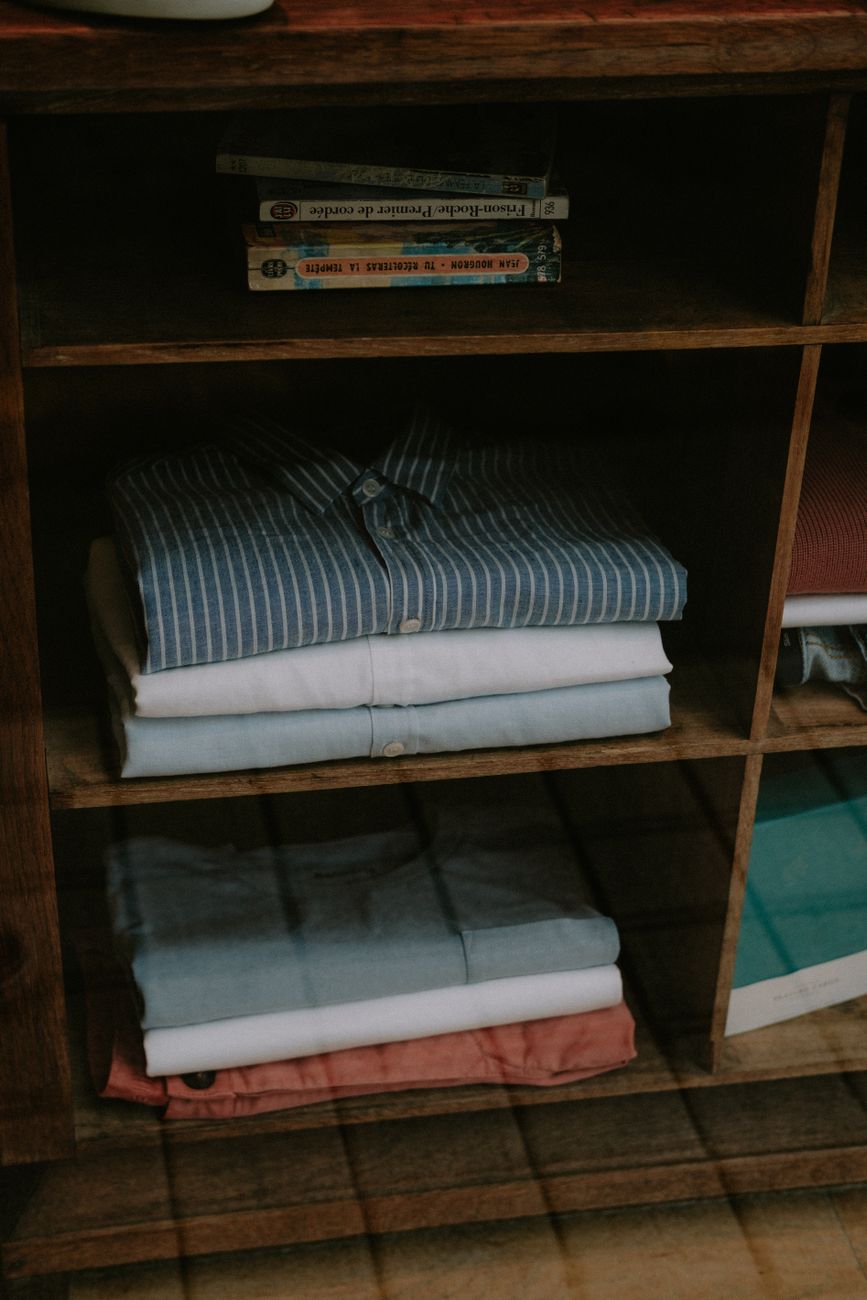
How to add the shelf
- Find the studs with a stud finder or by tapping. Mark them in pencil.
- Use a one inch thick board cut to the closet width. A melamine coated shelf board is cheap and wipes clean.
- Screw a cleat to the studs on each side and one along the back wall. A cleat is just a strip of one by two lumber.
- Set the shelf on the cleats and screw down through the top into each cleat.
Total cost is usually under twenty dollars. Total time is about forty minutes if you already own a drill.
Then use the space on purpose
- Top band: things you touch twice a year. Luggage, holiday boxes, winter coats.
- Middle band: folded stacks and bins you use weekly.
- Rod: only what you wear in the current season. Everything else goes up.
I got this wrong the first time. I put folded sweaters on the new top shelf and then could not reach them without a step stool, so they just sat there. Now the top shelf holds things I genuinely only need in December.
One more trick: leave a gap in the middle of the top shelf. An unbroken wall of bins looks tidy in photos and is miserable in practice because you have nowhere to set something down while you dig.
📋 Quick Summary: Add one shelf above your closet rod on simple wood cleats. Put twice a year items on top, weekly items in the middle, and current season clothes on the rod.