The Charger Swap That Charges Your Phone Twice as Fast
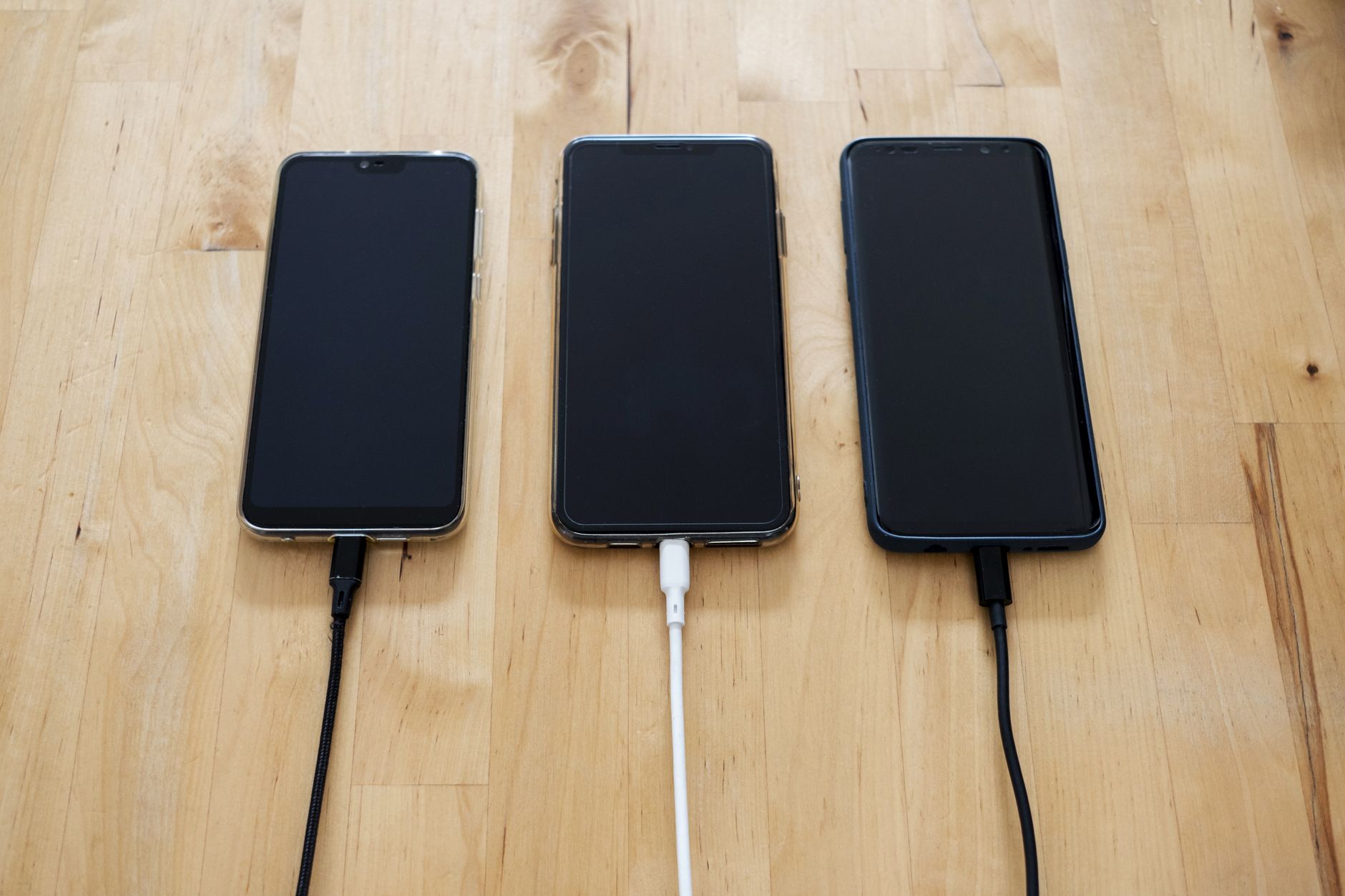
The little white cube charger that Apple used to include in the box outputs five watts. Modern iPhones can charge at twenty watts. You have been using a charger four times slower than your phone can handle for years. I was too.
The charger matters more than the cable. Here is the one swap that will actually make your phone charge faster — without buying anything fancy.
Check What Your Phone Actually Supports
Before buying anything, figure out what your phone can handle:
- iPhone 12 and newer: Supports up to 20W wired charging with USB-C to Lightning
- iPhone 8 through 11: Supports up to 18W
- iPhone 15 and newer: USB-C port, supports up to 27W
- Samsung Galaxy S23/S24: Supports up to 25W, Ultra models up to 45W
- Google Pixel 7/8: Supports up to 23W
If you are using the old 5W cube charger with any of these phones, you are leaving sixty to eighty percent of your charging speed on the table.
The Swap
Replace your charger brick with one that matches your phone’s maximum wattage. You do not need the official Apple or Samsung one. Anker, Belkin, Ugreen, and Spigen all make chargers that work perfectly for less money.
What to look for:
- USB-C port on the charger (not USB-A). The faster charging protocols all run through USB-C.
- Power Delivery (PD) certification. This is the fast-charging standard that iPhones and most Android phones use. If the charger does not say PD, it will charge at the old slow speed.
- At least 20W for most phones, 30W if you want some future-proofing.
Pair it with a USB-C to Lightning cable (for iPhone 14 and earlier) or USB-C to USB-C (for iPhone 15 or most modern Android phones). A high-quality cable matters, but the charger matters more.
What About Wireless Charging
Wireless charging is convenient but slower. MagSafe for iPhones maxes out at 15W. Qi wireless charging on most Android phones maxes out at 10-15W. If you need fast charging, plug in. Wireless is for overnight when speed does not matter.
One Thing to Avoid
Do not buy the cheapest no-name charger on Amazon. A bad charger can overheat, damage your battery, or in rare cases catch fire. Stick to brands that have actual safety certifications — UL, ETL, or CE listed. The five-dollar gas station charger is not worth the savings.
I bought a twenty-watt Anker charger for twelve dollars. My phone went from dead to fifty percent in thirty minutes instead of the hour-plus it used to take. The old five-watt cube is in a drawer now, where it belongs.
Quick Summary: Use a USB-C Power Delivery charger that matches your phone’s wattage (20W minimum for most). The tiny old 5W cube is four times slower. Buy a brand with safety certifications, not a no-name charger.