The Cable Sleeve That Made My Entertainment Center Look Tidy
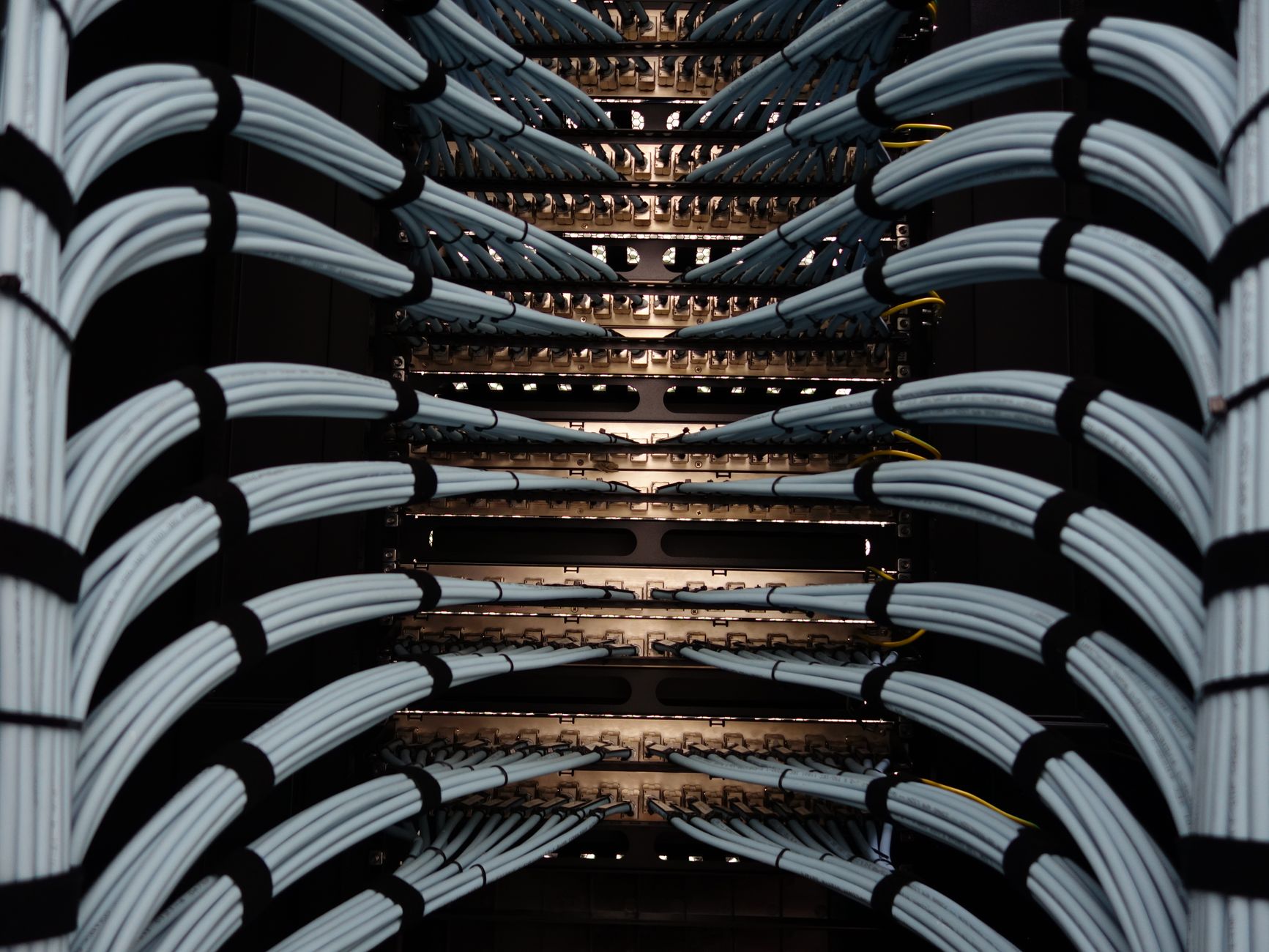
My entertainment center used to look like a techno snake pit. TV, soundbar, game console, streaming box, and a power strip all feeding into one tangle of black cables that collected dust and defied untangling. I put off fixing it for months because I assumed it meant a wall mounted TV, recessed outlets, and a professional. Then I bought a ten dollar cable sleeve, and the whole mess disappeared in an afternoon.
What a cable sleeve actually is
It is a flexible fabric tube, usually about an inch wide, that opens down the middle so you can tuck cables inside. Some are velcro, some are zip. You bundle your cables into it, and one tidy tube runs down instead of six snakes. That is it. No cutting, no tools, no rewiring. The sleeves come in packs with the little clips that screw or stick to the back of the furniture, and the whole kit costs less than a pizza.
How I set mine up
First I unplugged everything, labeled each cable with a piece of masking tape so I knew what was what, and pulled the whole tangle out. Then I grouped cables by destination: the power cables together, the HDMI cables together, and the thin ones like the antenna and ethernet in a second sleeve. Each sleeve ran down the back corner of the TV stand and into a surge protector that now sits in a basket out of sight.
What surprised me
The sleeve did more than make it look better. Dust stopped building up in the tangle, because there was no tangle. The cables stopped getting yanked loose when I vacuumed, because nothing snagged them. And when I added a new device six months later, I just opened the sleeve, ran the new cable alongside, and zipped it shut. The whole job took less time than finding the right sized zip tie used to take.
Things to buy instead of a sleeve
The sleeve handles the visible runs, but a few other cheap pieces made the difference. A cable box or basket hides the surge protector and the excess cable length. Velcro cable ties, not zip ties, keep individual cables coiled without damaging them. And for the TV that hangs on the wall, a cable cover that paints over hides the run from the TV to the outlet, which makes the wall look like the cable does not exist.
What I would do differently
I bought one sleeve and ran out halfway through, so get a longer one than you think you need or a multi pack. Measure the vertical run first. And do not try to cram every cable into one sleeve, two thinner bundles flex better around corners than one fat one. If you have a soundbar with a subwoofer, run that cable separately, it is usually too thick for the sleeve anyway.
My entertainment center has looked clean for a year now. Visitors no longer ask if the cables are on fire, and I have reclaimed the five minutes of dread every time I had to plug something in behind the TV. Ten dollars, one afternoon, and the ugliest corner of my living room is now the tidiest.
📋 Quick Summary: A flexible fabric cable sleeve bundles the snake pit behind your TV into one tidy tube. Add a basket for the surge protector and velcro ties for excess length.