The Buy It For Life Items Worth Paying More For
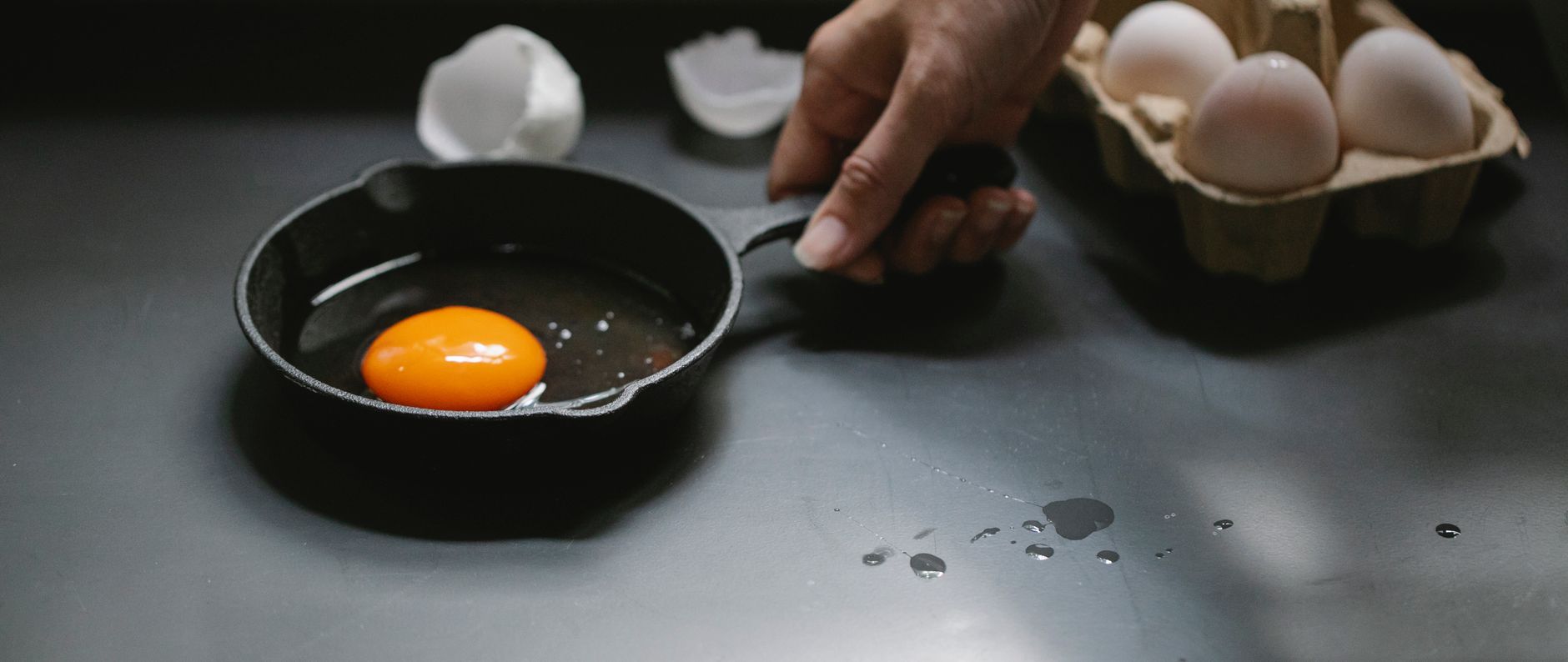
My grandfather had a cast iron skillet that he used for fifty years and gave to my mother, who still uses it weekly. He also had a wallet from the 1970s that looked barely worn. Meanwhile, I was replacing my own wallet every eighteen months when the stitching gave out, and I had gone through three cheap skillets in a decade.
That contrast is the whole idea behind buy it for life. Some items are worth paying more for once, instead of paying less for forever.
How to spot the difference
Not every expensive version is a buy it for life item. The real test is whether the thing can be repaired and maintained instead of replaced. A cast iron skillet can be reseasoned for generations. A cheap nonstick pan is disposable by design, its coating dies in two years no matter what you pay.
The same logic applies to most categories. Look for solid materials, replaceable parts, and a brand with a real warranty. Ask yourself: when this breaks in ten years, can it be fixed, or does it get thrown away?
Items where the upgrade is worth it
- Cast iron cookware. A good skillet outlives you with basic care, and it cooks better as it ages.
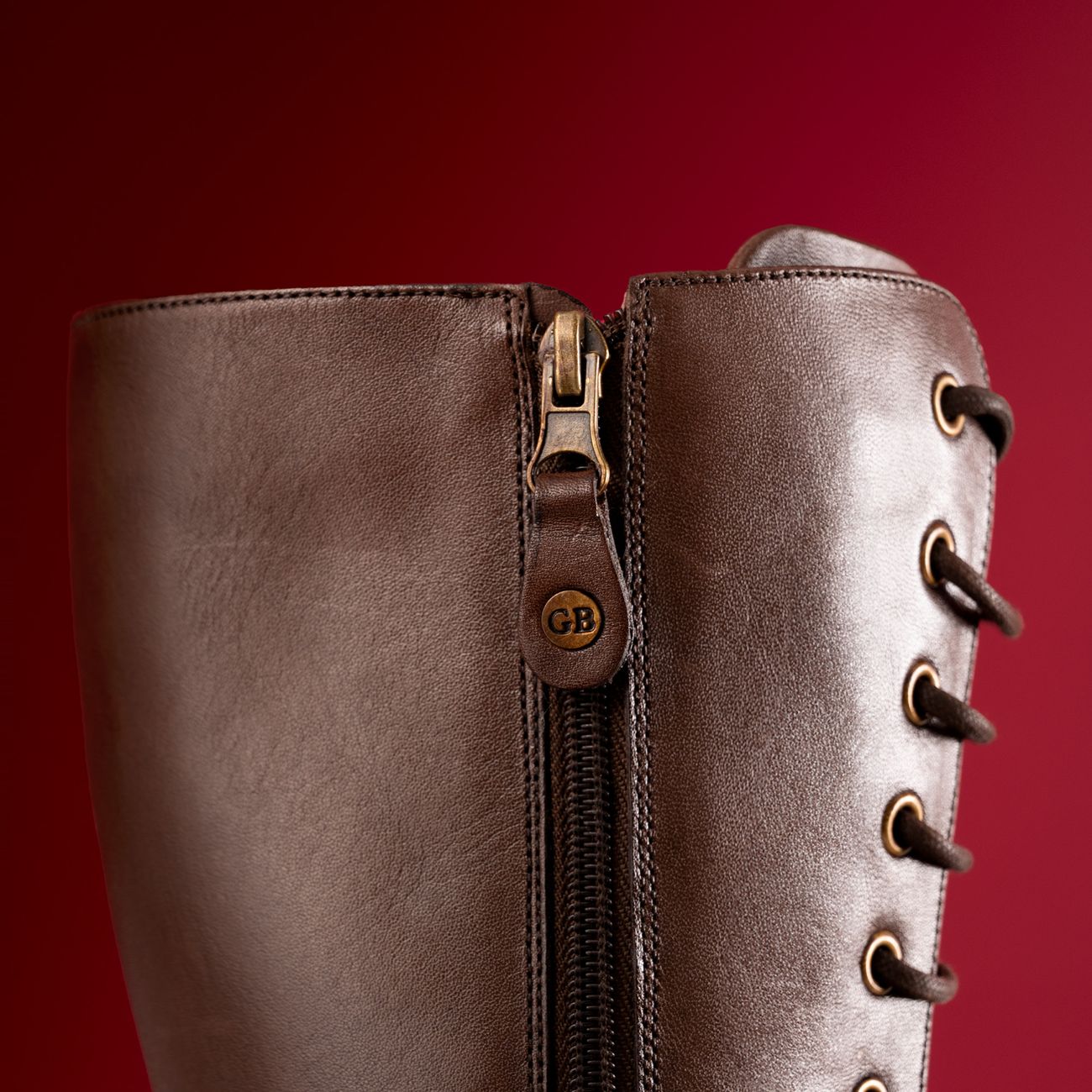
- Good leather boots. A quality pair can be resoled for decades. Cheap boots fall apart and get tossed every year or two.
- Wool socks. A solid pair lasts years and can be darned. The ten pack of mystery socks lasts one season.
- A real knife. One good chef knife, sharpened and cared for, replaces a drawer of dull ones.
- Tools. A hand tool from a reputable brand comes with a warranty that outlives the tool itself.
I have owned my cast iron skillet for eight years now, and it is the only pan in my kitchen I have never considered replacing.
The math that made me switch
A sixty dollar pair of boots that lasts three years costs twenty dollars a year. A two hundred dollar pair that gets resoled and lasts fifteen years costs about thirteen dollars a year, and it is comfortable the whole time. The expensive version is literally cheaper, once you stop counting upfront cost and start counting cost per year.
That is the shift. Ask what an item costs per year of real use, not what it costs at the register. The cheap version stops being cheap the second time you buy it.
Not everything needs to be buy it for life. Plastic storage bins and phone cables are disposable, and that is fine. But the things you use daily, the ones your grandfather would recognize, those are worth the upgrade.
📋 Quick Summary: Pay more for repairable daily use items like cast iron, leather boots, and real tools, because cost per year beats upfront price every time.