The Best Way to Touch Up Paint on Walls So It Blends Perfectly
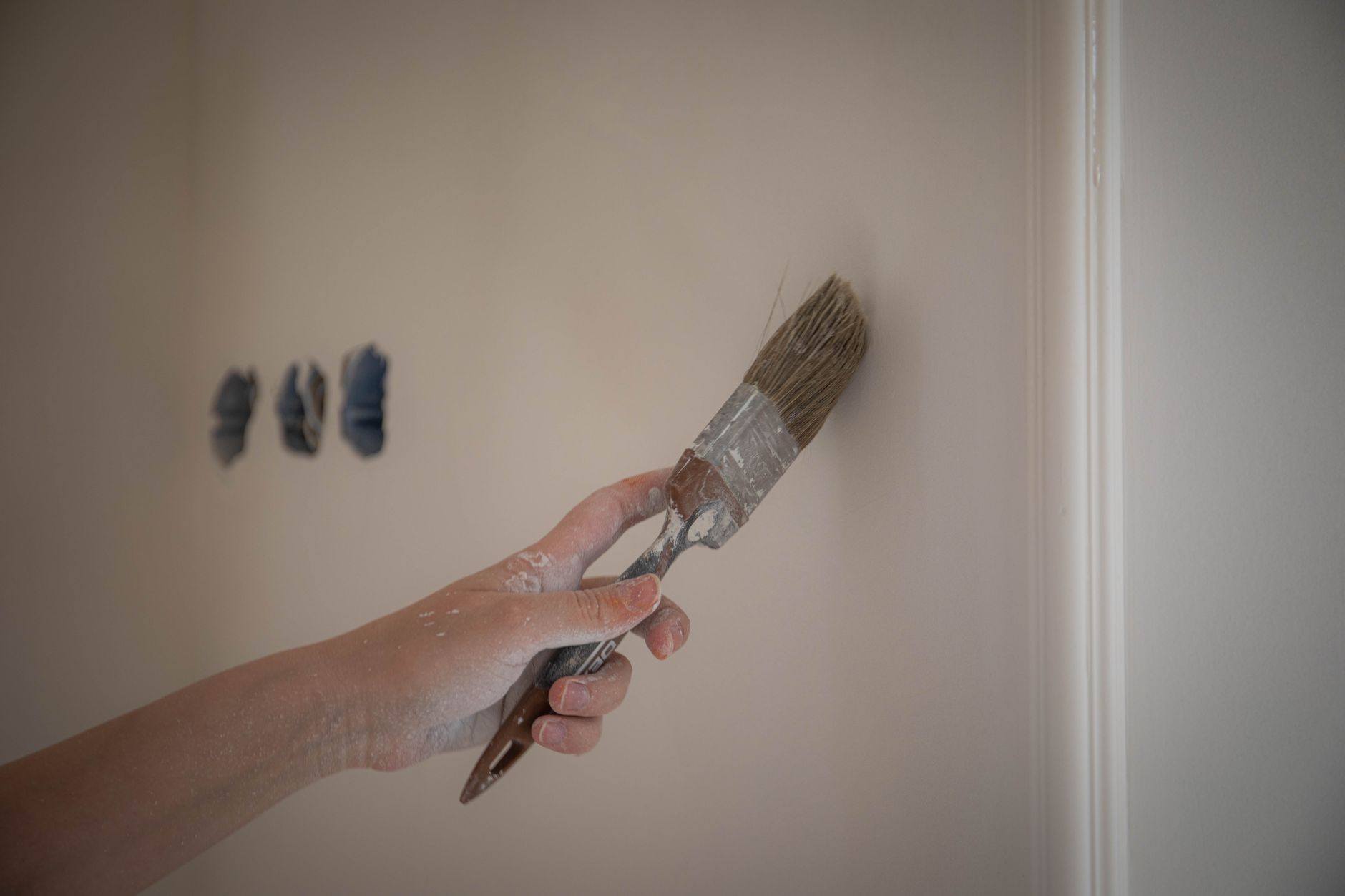
You dab a little paint over a nail hole and suddenly there is a shiny patch on your wall that is more noticeable than the hole was. Touch-ups that do not blend are more common than touch-ups that do. The problem is not the paint color — it is the application method and sheen mismatch.
I learned this after moving a picture frame and creating a constellation of shiny spots across my living room wall. It looked worse than the nail holes. Here is what actually works.
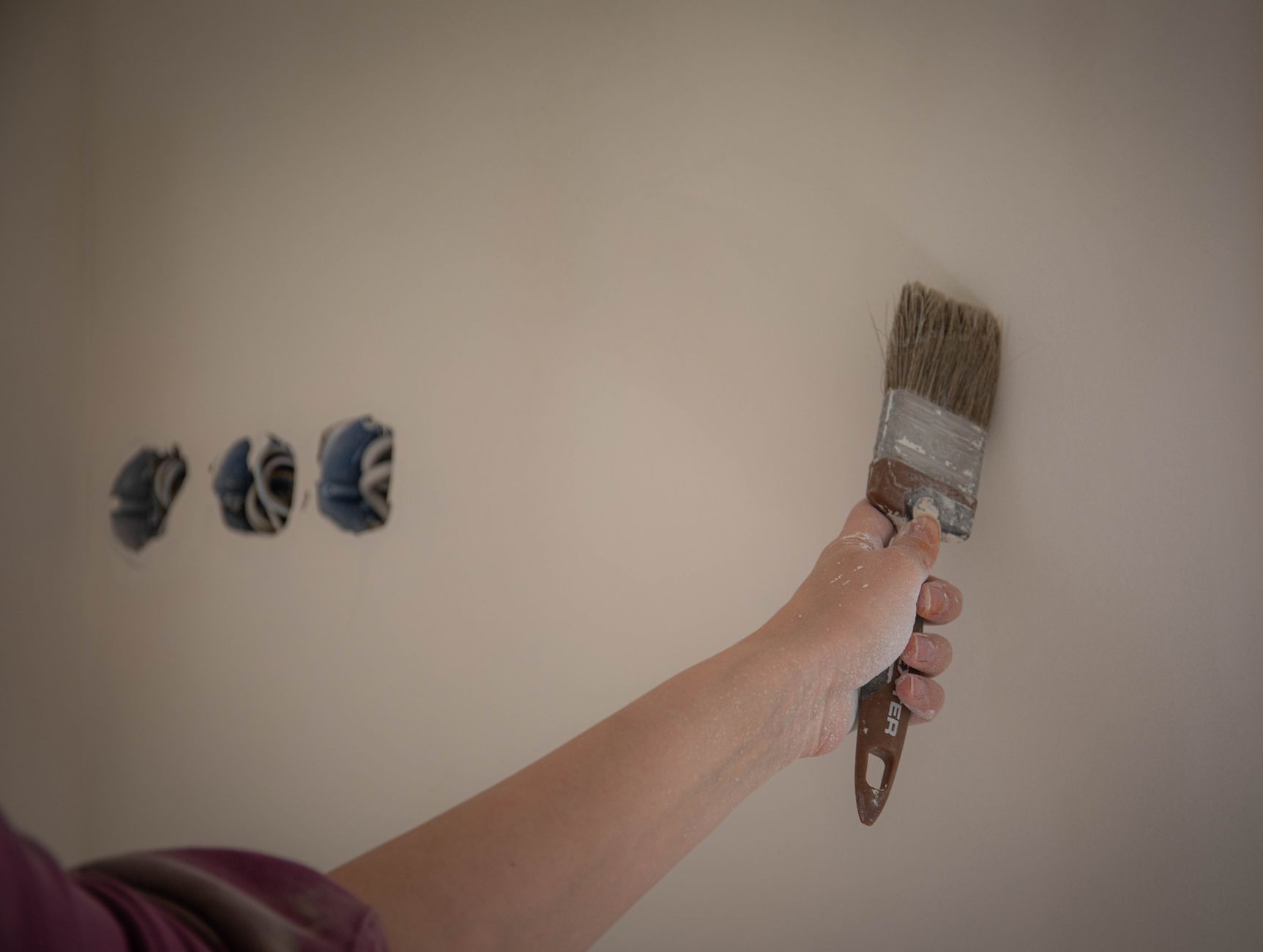
Why touch-ups leave shiny spots
Wall paint dries with a specific sheen determined by how it is applied. When you roll a whole wall, the roller texture is uniform. When you dab a small area with a brush, the application is thicker and the surface texture is different — so it reflects light differently. The older the original paint, the bigger the contrast. Paint also fades slightly over time from UV exposure, so even the exact same can of paint will look slightly different after a few years on the wall.
The right way to touch up
- Use the original paint. If you do not have the can, chip off a quarter-sized piece of paint from an inconspicuous spot — behind a switch plate, inside a closet — and take it to a paint store for a color match. The match will not be perfect but it will be close.
- Thin the paint slightly. Add a few drops of water to your touch-up paint and mix well. Thinned paint feathers at the edges and blends into the surrounding area instead of sitting on top like a sticker.
- Use a small foam roller, not a brush. A brush leaves streaks. A four-inch foam roller matches the texture of the original wall much better. Roll very lightly — almost dry — and feather the edges outward so there is no hard transition line.
- Feather the edges. After applying the paint, take the nearly-dry roller and roll outward from the touched-up area in all directions. This blends the new paint edge into the old wall.
The sheen-specific rules
- Flat and matte paint is the easiest to touch up. It hides imperfections and the low sheen blends well. You can often get away with just dabbing.
- Eggshell and satin are the hardest. The sheen difference between new and old paint is very visible. You may need to repaint the entire wall corner-to-corner if the touch-up is in a prominent spot.
- Semi-gloss and gloss — honestly, touch-ups rarely blend. Plan to repaint the whole wall, or at least the whole section between two corners.
My living room touch-up disaster taught me to always keep a small jar of each wall color — labeled with the room name and date. A baby food jar holds enough for a decade of touch-ups. I write the paint brand, color name, and sheen on masking tape stuck to the lid.
📋 Quick Summary: Thin the paint with water, use a small foam roller, feather the edges outward, and know that flat paint blends best while satin and gloss often require repainting the whole wall.