The Best Non Stick Pans That Actually Last More Than a Year
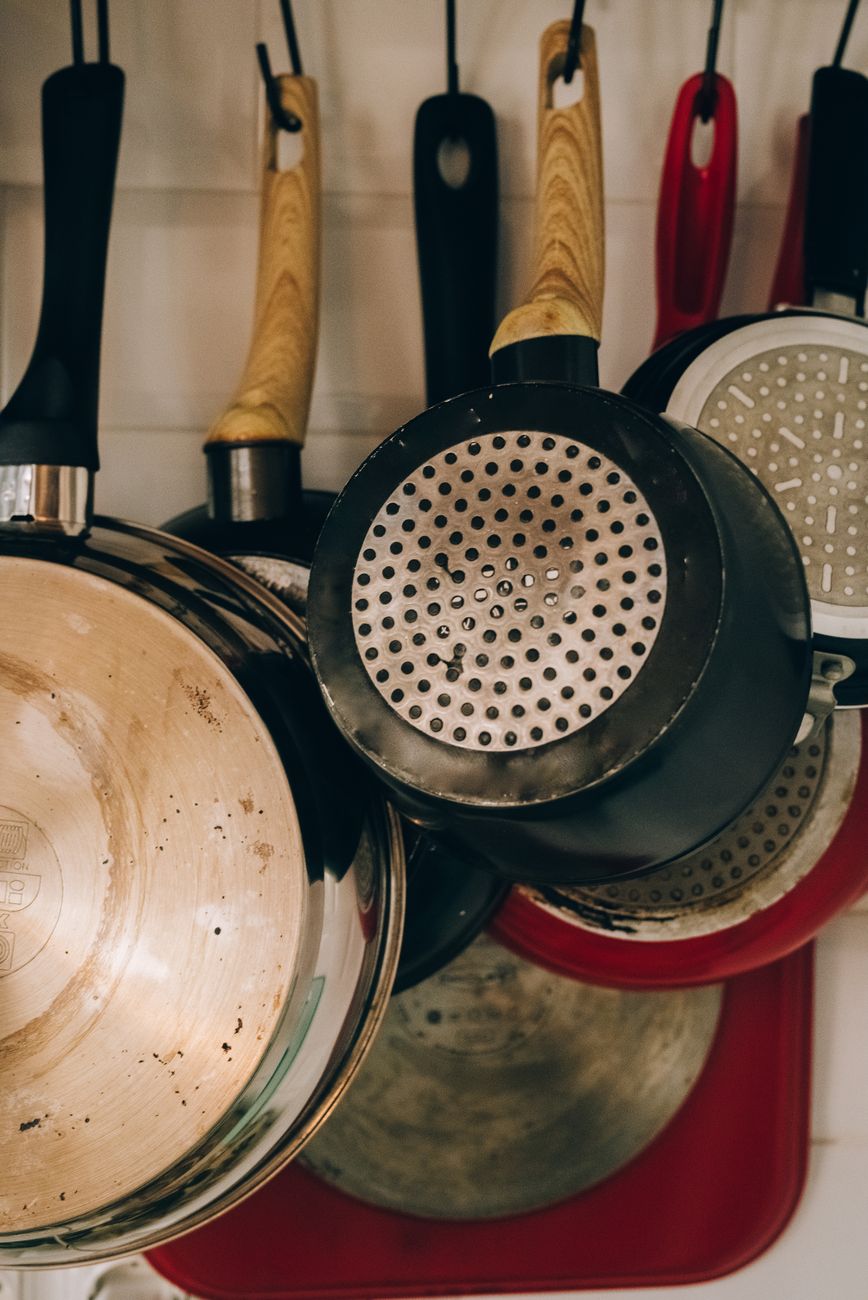
I have bought six nonstick pans in the last five years. Every one of them started flaking or sticking within twelve months. I used silicone utensils, hand-washed them, never put them in the dishwasher — and they still failed. I was convinced the “buy it for life” nonstick pan did not exist.
Then I tried a different approach: stop buying Teflon and look at ceramic, hard-anodized, and carbon steel. Here is what I learned after testing three different types.
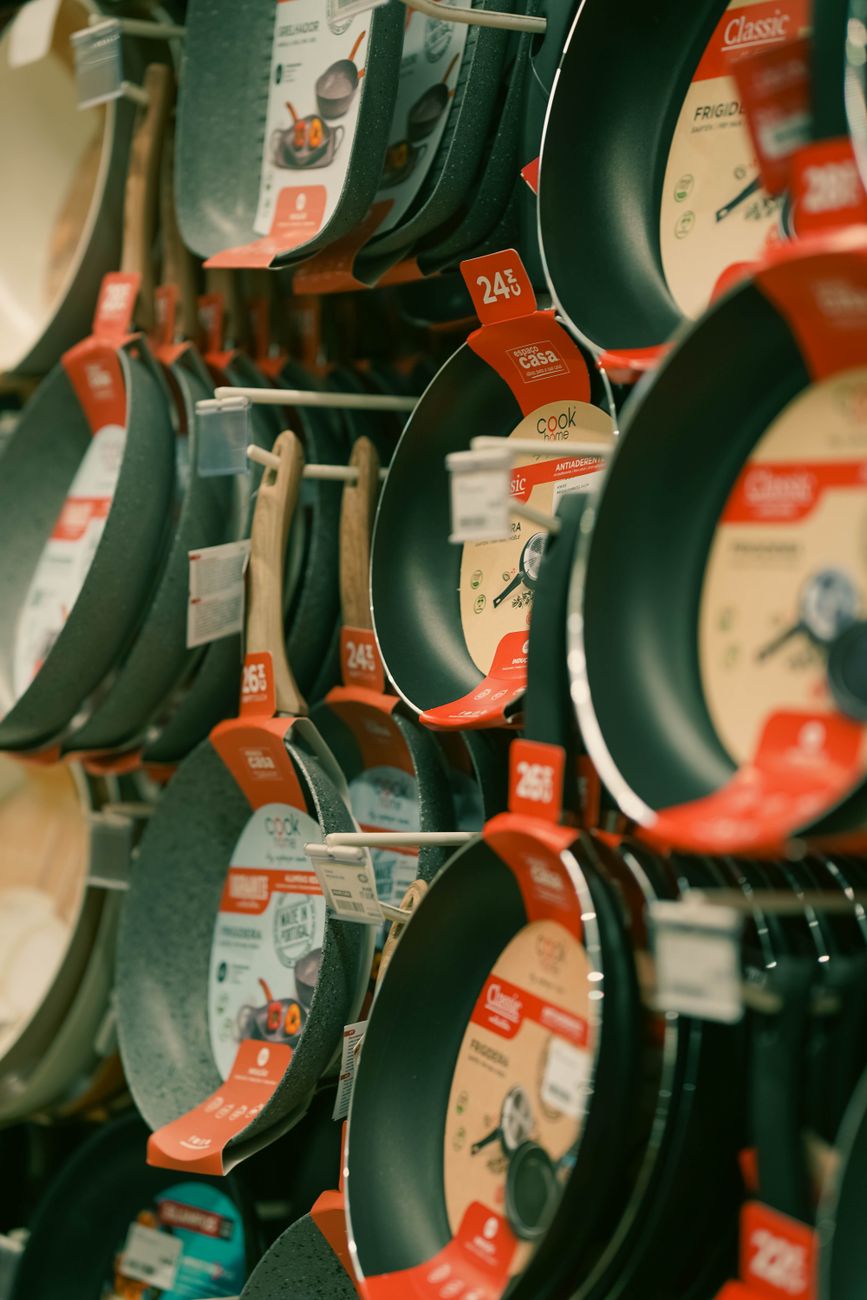
Ceramic Nonstick Pans
Ceramic pans use a silica-based coating derived from sand instead of PTFE (Teflon). They heat evenly, they are free of the chemicals people worry about with traditional nonstick, and they can handle higher heat without degrading. The downside: the coating still wears out, usually in 18 to 24 months of daily use. Better than Teflon, not forever.
If you are going ceramic, spend at least fifty dollars. The twenty-dollar ceramic pan at the discount store will lose its nonstick surface in months. Brands like GreenPan and Caraway hold up better because they use thicker coatings.
Hard-Anodized Aluminum
These are not technically nonstick — they are treated aluminum that has been electrochemically hardened. Food does not slide off like Teflon, but nothing sticks permanently either. The surface is durable enough to handle metal utensils without scratching. My Calphalon hard-anodized skillet is three years old and still cooks eggs without sticking, which I did not think was possible.
The downside: hard-anodized pans are heavy and they cost more upfront. But unlike Teflon, you buy them once.
Carbon Steel
This is what professional kitchens use. Carbon steel pans need to be seasoned — baked with oil to build up a natural nonstick patina. It takes effort upfront, but the surface gets better with use instead of worse. A well-seasoned carbon steel pan will release eggs as cleanly as Teflon and last decades.
The trade-off: you cannot put acidic foods (tomatoes, wine, vinegar) in carbon steel or it strips the seasoning. You need to dry it immediately after washing or it rusts. It is the highest-maintenance option and the longest-lasting.
Which One Should You Get?
If you want zero maintenance and decent nonstick: ceramic, expecting to replace it every two years. If you want durability and do not mind a learning curve: carbon steel, and it will outlive you. If you want the middle ground: hard-anodized — nearly as durable as carbon steel, nearly as slick as Teflon, and no seasoning required.
📋 Quick Summary: Skip Teflon. Ceramic for easy maintenance (2-year lifespan). Hard-anodized for durability without fuss. Carbon steel for buy-it-for-life with a little extra care.