The Banana Trick That Saved My Morning Smoothie Routine
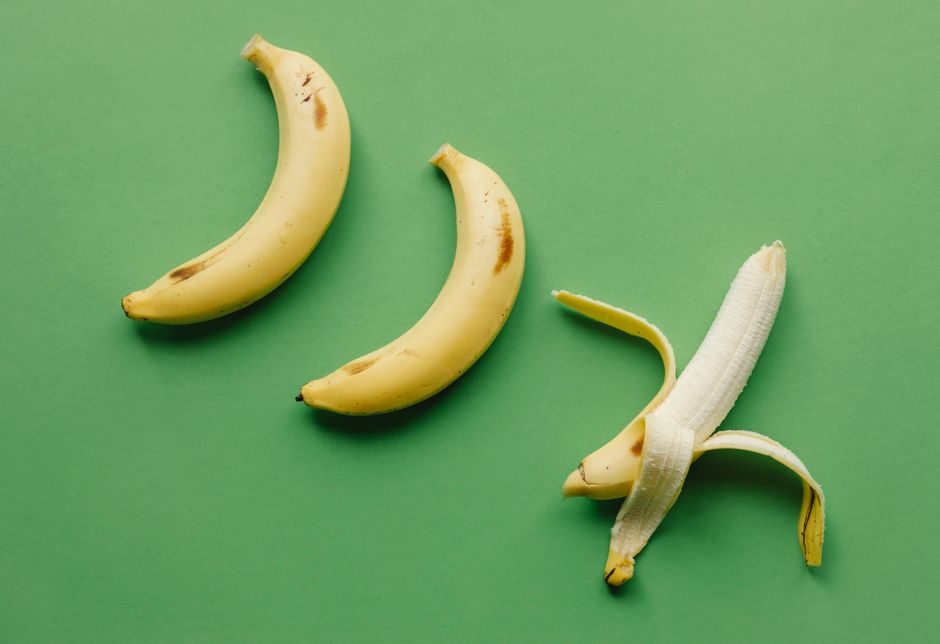
Monday morning, 7:15 AM. I am already running ten minutes late for work. I grab the blender, toss in some spinach, protein powder, almond milk, and reach for the bananas I bought on Saturday. They are brown. Not spotted-brown, not “perfect for banana bread” brown. They are leaking-brown, the kind where the peel has started to separate from the fruit and there is a small puddle of something alarming forming on the counter.
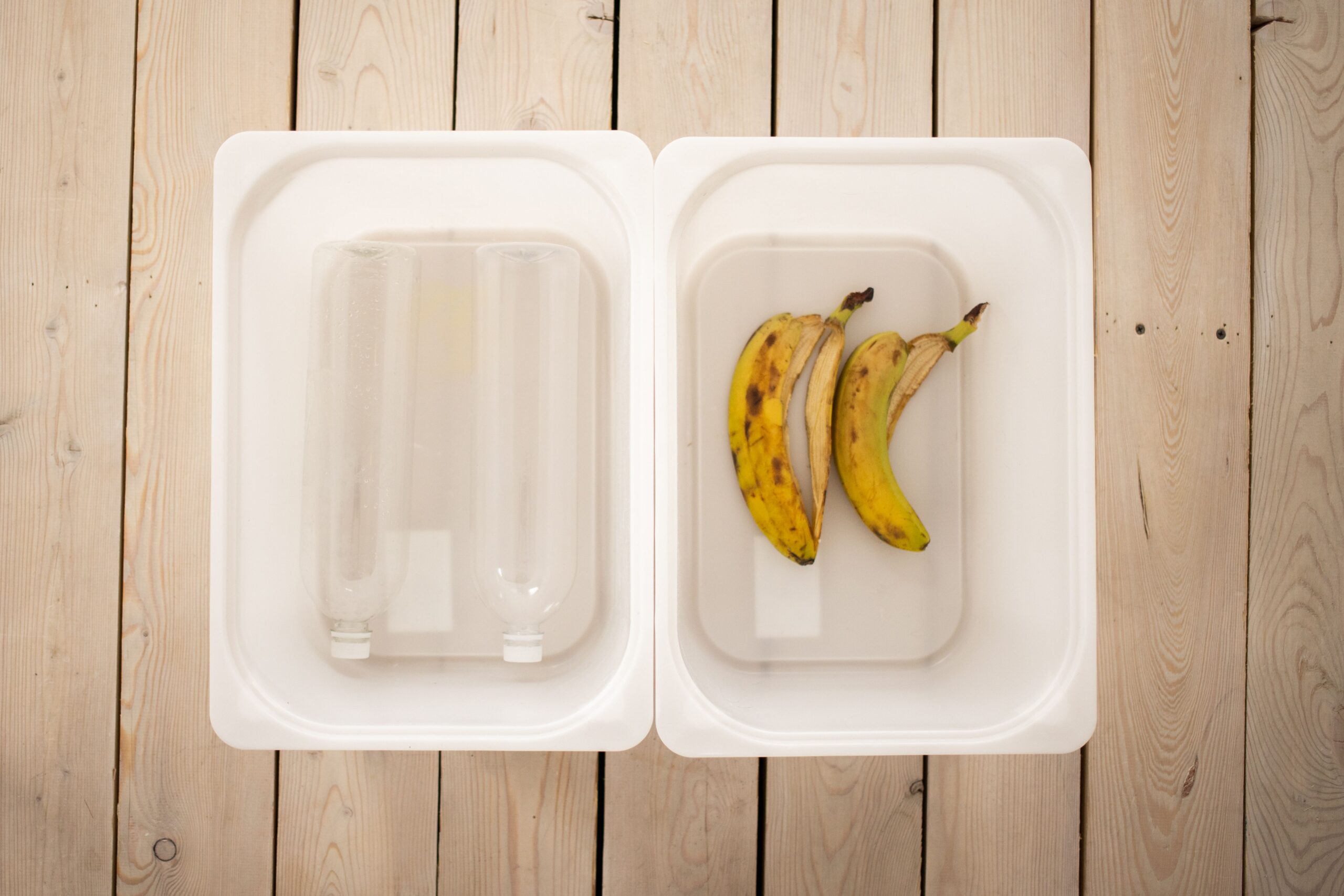
I threw them away, skipped breakfast, and felt terrible all morning. That was the day I decided to figure out how to keep bananas fresh longer than forty-eight hours.
My first attempt was the classic “separate them from the bunch” trick. The theory is that bananas release ethylene gas through their stems, and keeping them clustered accelerates ripening for the whole group. I tried it. It bought me maybe an extra day. Not enough.
Then I discovered the real game-changer: wrapping the stems in plastic wrap. Not the whole banana — just the crown where the stems connect. This blocks the ethylene gas from escaping and slows the ripening process considerably. My bananas now last five to seven days instead of two to three.
But here is where I really leveled up. I realized that even with the stem-wrap trick, I was still racing against time. So I started a Sunday ritual: I buy bananas, let them ripen on the counter for a day or two until they reach that perfect yellow-with-a-few-brown-freckles stage, then I peel them, break them into chunks, and freeze them in a single layer on a baking sheet. Once frozen solid, I transfer the chunks to a freezer bag.
Frozen banana chunks changed my smoothie game entirely. They replace ice — no more watery, diluted smoothies — and they create this impossibly creamy texture that makes every smoothie taste like a milkshake. The natural sweetness means I can skip the honey or agave I used to add. My morning smoothie went from a chore to something I genuinely look forward to.
I have also discovered that frozen banana chunks work as a base for a one-ingredient “ice cream” that my kids actually request for dessert. You throw frozen banana chunks into a food processor and blend until smooth. It comes out with the exact consistency of soft-serve. Add a tablespoon of cocoa powder for chocolate, or a handful of frozen strawberries for berry. My six-year-old thinks it is real ice cream. I am not correcting her.
There is one mistake I made early on that you should avoid: do not freeze whole, unpeeled bananas. I tried this once thinking it would save time. Peeling a frozen banana is a miserable experience. The peel turns black and leathery and clings to the fruit like it is holding on for dear life. You end up with frozen banana mush and black peel fragments everywhere. Always peel first.
Another tip I picked up from a friend who runs a smoothie shop: if you are making smoothies for the week ahead, prep individual freezer bags with all the fruit and greens pre-portioned. On busy mornings, you just dump one bag into the blender, add liquid, and go. I do this every Sunday now and it takes maybe fifteen minutes for five days of breakfast.
Bananas are cheap, nutritious, and versatile. The plastic-wrap trick keeps them on the counter longer, and the freezer trick means you never have to throw away overripe bananas again. My Monday mornings are significantly better now, and I have not had a banana-related puddle incident in over a year.
📋 Quick Summary
- The plastic-wrap trick keeps them on the counter longer, and the freezer trick means you never have to throw away overripe bananas again.
- Then I discovered the real game-changer: wrapping the stems in plastic wrap.
- There is one mistake I made early on that you should avoid: do not freeze whole, unpeeled bananas.
- I realized that even with the stem-wrap trick, I was still racing against time.