The Aluminum Foil Hack for Silverware That Has Lost Its Shine
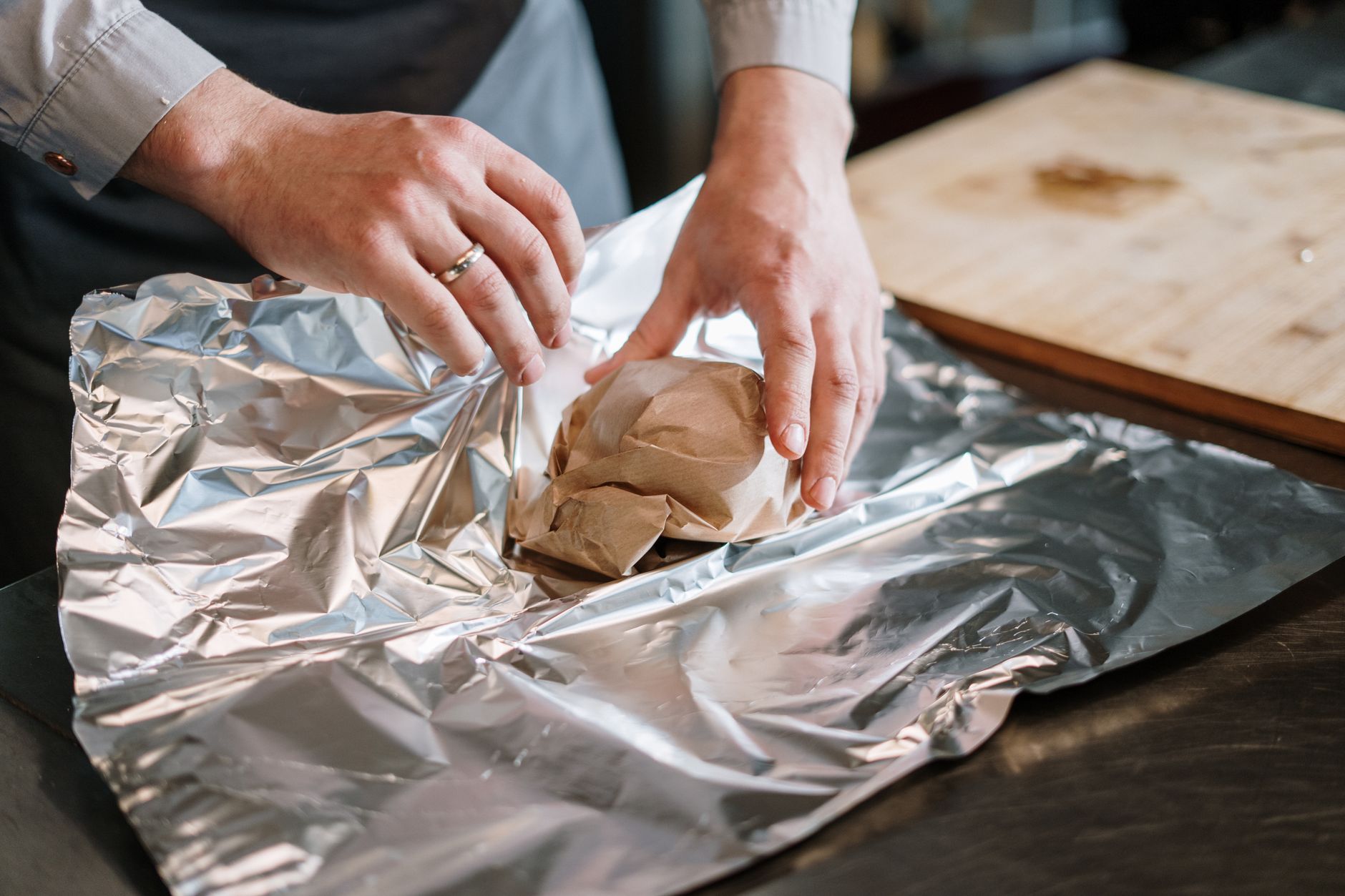
I pulled out my “good” silverware for Thanksgiving last year and almost put it back in the drawer. Every fork and spoon was covered in dark gray tarnish. I scrubbed one spoon with silver polish for five minutes and my arm hurt. There were eleven more pieces to go.
My aunt saw me struggling and asked if I had aluminum foil and baking soda. Fifteen minutes later, all twelve pieces were gleaming. I had not touched a single one. I had just let chemistry do the work.
The Science Behind It
Silver tarnish is silver sulfide — silver that has reacted with sulfur compounds in the air. The aluminum foil trick uses a chemical reaction called ion exchange. The baking soda and hot water create an electrolyte solution. The aluminum foil acts as a sacrificial metal. The sulfur atoms jump from the silver to the aluminum, leaving the silver clean.
You do not need to understand the chemistry for it to work. But knowing there is actual science behind it made me trust it more than the first time I tried it.
How to Do It
- Line a glass baking dish or a stainless steel pot with aluminum foil, shiny side up.
- Place your tarnished silverware on the foil. Make sure each piece is touching the foil — direct contact is required for the reaction to work.
- Sprinkle baking soda generously over the silverware. About a quarter cup for a standard dish.
- Pour boiling water over everything until the silverware is completely submerged.
- Wait. You will see the tarnish start to lift within seconds. For heavily tarnished pieces, let them soak for five to ten minutes.
- Remove with tongs, rinse with cool water, and dry with a soft cloth.
The water will smell a little sulfury — like rotten eggs — while the reaction is happening. That is normal. That is the sulfur being pulled off the silver. Open a window if you are sensitive to it.
What Not to Do
This method is for solid silver and silver-plated items only. Do not use it on stainless steel flatware — nothing bad will happen, it just will not do anything useful. Also, if your silver has an intentional patina or dark design details, the foil method may remove that too. It strips all tarnish, intentional or not.
I also learned not to let silver pieces touch each other in the bath. They can scratch. Give each piece a little space.
How Often Should You Do This
Silver tarnishes faster in humid environments. I live in a humid area, so I do this about every three months for pieces I use regularly. Silver stored in a closed drawer with anti-tarnish strips needs it less often — maybe once a year.
After the Thanksgiving rescue, I started keeping a small square of aluminum foil and a box of baking soda in the drawer with the good silverware. That way I do not have to hunt for supplies when I notice tarnish five minutes before guests arrive.
Quick Summary: Line dish with foil, place silver touching foil, add baking soda and boiling water. Tarnish lifts in minutes with zero scrubbing. Works on real silver and silver plate.