Spray Mop vs Steam Mop vs Spin Mop — Which Cleans Best
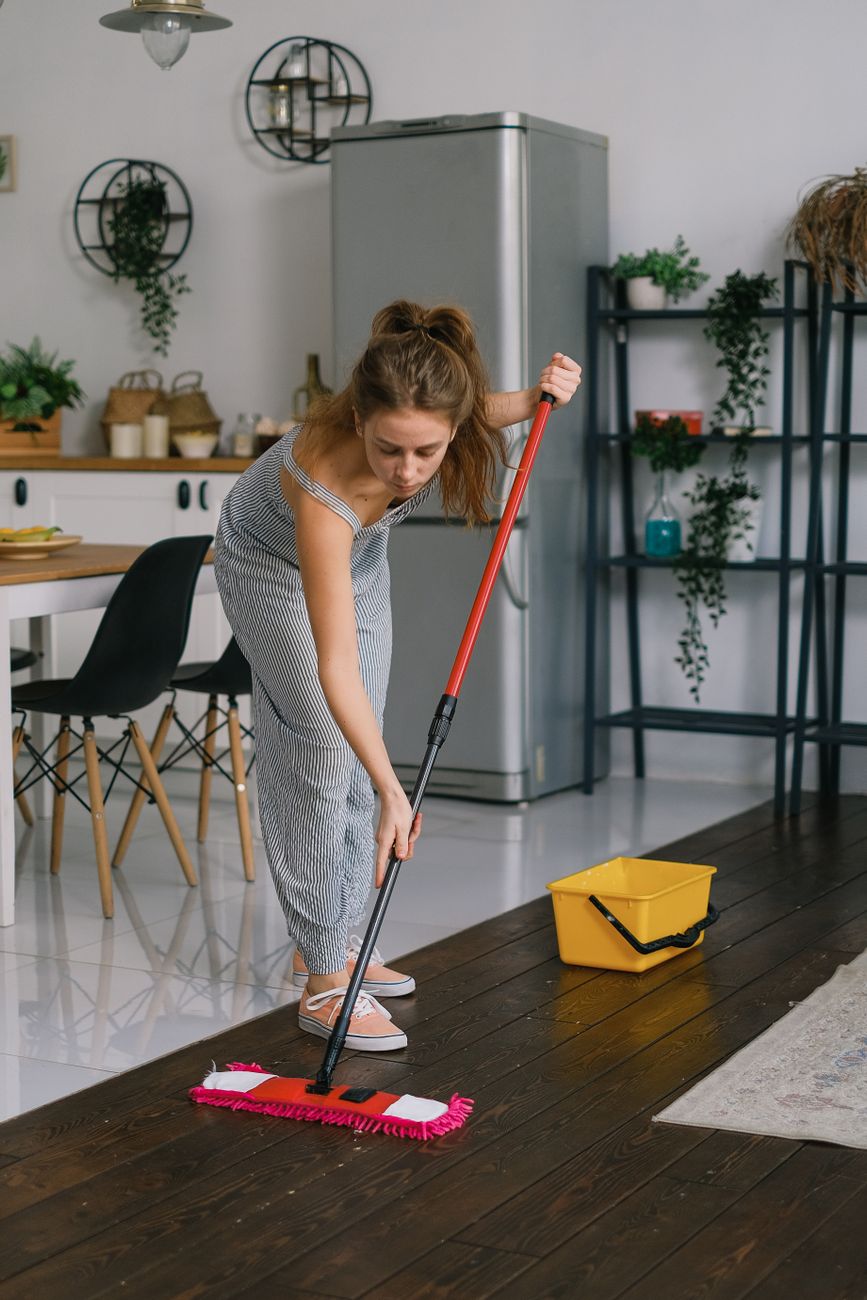
I have owned all three types of mop in the past five years. The spray mop lasted six months before the trigger broke. The steam mop warped a section of my hardwood floor. The spin mop is ugly but still going strong.
Each type solves a different problem. The one you need depends on what kind of floors you have and what kind of messes you are cleaning.
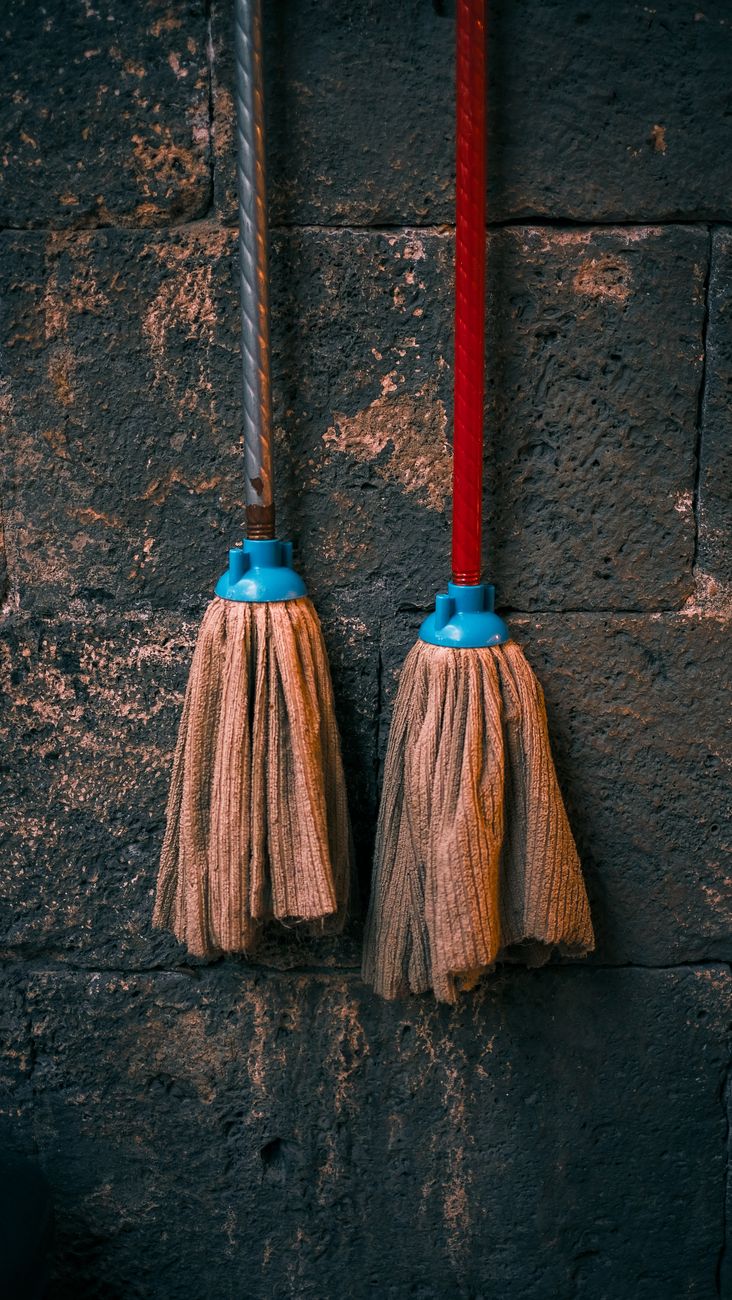
Spray Mop: Best for Quick Daily Cleanups
You fill the reservoir with cleaning solution, squeeze a trigger to spray it ahead of the pad, and wipe. No bucket, no wringing, no setup. Perfect for kitchens and high-traffic areas where you just need to pick up daily grime before it builds up.
Downsides: The pads are small and get dirty fast. You need multiple pads for a whole house. The triggers on cheap models break — pay at least thirty dollars for one with a metal trigger mechanism, not plastic. And the cleaning solution refills are overpriced; fill the reservoir with your own mix of water and a splash of vinegar or floor cleaner.
Best for: sealed hardwood, laminate, tile. Daily quick cleans.
Steam Mop: Best for Sanitizing Without Chemicals
A steam mop heats water to produce steam that loosens dirt and kills bacteria without chemicals. If you have kids crawling on the floor or pets tracking in who-knows-what, this is compelling. It also cuts through sticky messes that a dry or damp mop just smears around.
Downsides: Do not use on unsealed hardwood, laminate, or vinyl plank. The moisture and heat will warp and delaminate them. Steam mops are for sealed hard surfaces only — tile, sealed stone, sealed hardwood, linoleum. Read your flooring warranty before using one; some explicitly void coverage for steam mop damage.
Also, steam mops do not pick up debris. You have to sweep or vacuum first. And the pads need washing after every use.
Best for: tile, sealed stone, sealed hardwood. Deep sanitizing clean.
Spin Mop: Best for Large Areas and Serious Cleaning
The bucket has a spinning mechanism — usually foot-powered — that wrings the mop head nearly dry. The mop head is round and made of microfiber strands that pick up dirt instead of pushing it around. You can control exactly how wet the mop is, which matters for wood floors.
This is what professional cleaners use. It covers large areas fast, gets into corners, and the mop heads are machine washable. The bucket takes up more storage space than the other types, and it is the least stylish option. But it cleans better than both the spray and steam mops for general use.
Downsides: bulky to store. Requires a water source to fill the bucket. Overkill for a small apartment kitchen.
Best for: all hard floor types. Whole-house cleaning. Adjustable wetness for different surfaces.
📋 Quick Summary: Spray mop for quick daily kitchen cleanups. Steam mop for chemical-free sanitizing on tile and sealed floors. Spin mop for whole-house deep cleaning on any hard surface. Know your floor type before you buy — steam mops destroy unsealed wood and laminate.