Soundproof a Thin Wall Between Bedrooms
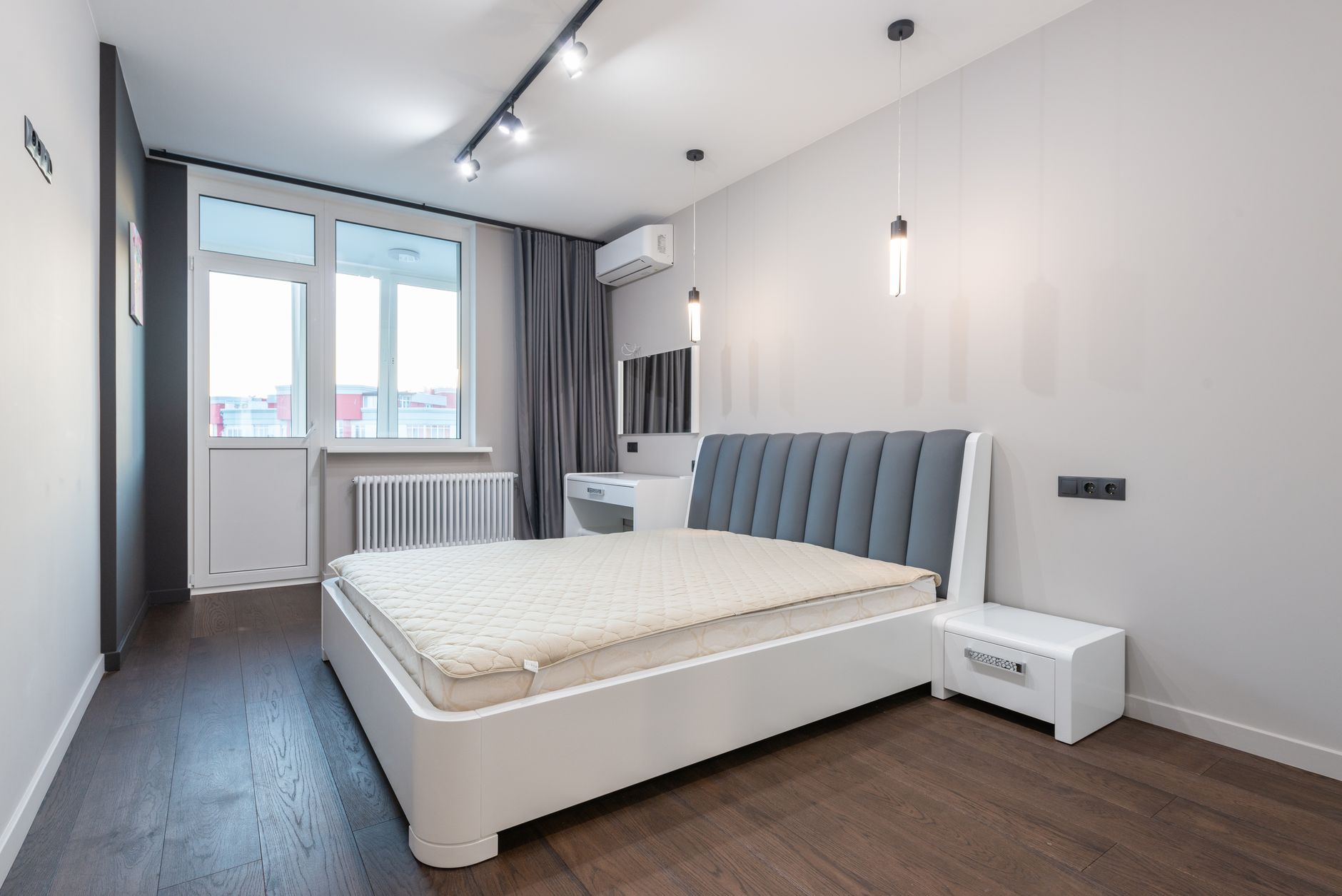
We moved our newborn into the nursery next to our bedroom. The wall between the rooms was so thin I could hear my wife whispering on the other side. Every time the baby cried — which was every two hours — it sounded like she was in the room with us. Sleep became a distant memory.
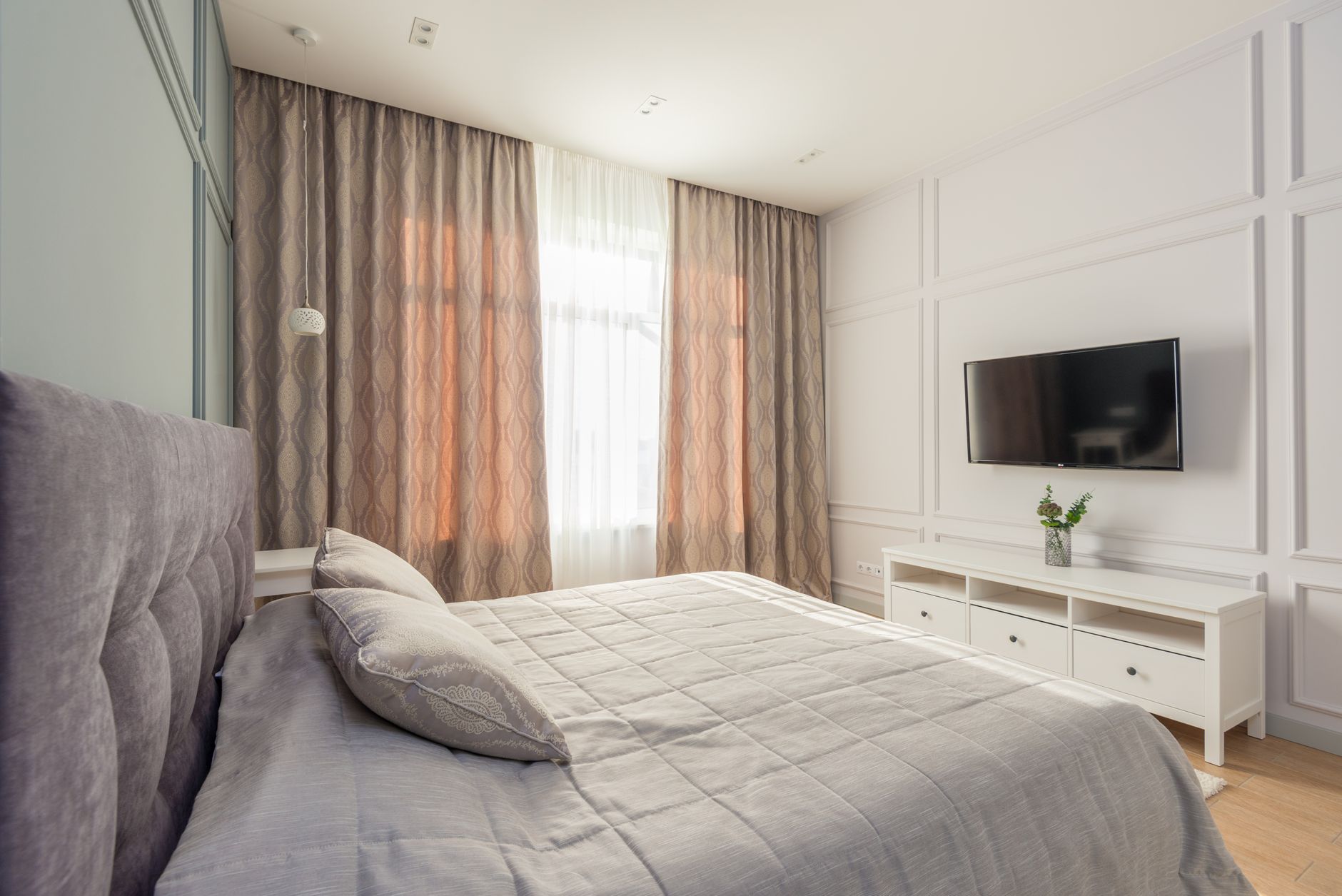
I did not want to tear out drywall and rebuild. I wanted solutions I could do in a weekend. Here is what worked and what was a waste of money.
What does almost nothing
Skip these. I tried them so you do not have to:
- Egg cartons. They look soundproof. They are not. They are cardboard and they do nothing below about 4,000 Hz — which is to say, they do nothing for voices.
- Acoustic foam panels. These treat echo within a room. They do not block sound from passing through a wall. Different problem, different solution.
- Thin peel-and-stick tiles. Same category as foam panels. They absorb some high frequencies inside the room. Zero transmission loss.
What actually works — ranked by effectiveness
- Mass loaded vinyl (MLV). A heavy, flexible sheet that blocks sound. One pound per square foot or heavier. Hang it on the wall like wallpaper, then cover with drywall or fabric panels. This is the real solution and it cut noise transmission by more than half in my case.
- Adding a second layer of drywall. Screw five-eighths-inch drywall over the existing wall with Green Glue damping compound sandwiched between. The compound converts sound energy into a tiny amount of heat. This plus MLV is what professional studios use.
- Sealing air gaps. Sound travels through air. Any gap — under the door, around outlet boxes, where the baseboard meets the floor — is a sound leak. Acoustic caulk around outlet boxes. A door sweep and weatherstripping on the door. Caulk along the baseboard. This alone made a noticeable difference for about fifteen dollars.
- Solid core door. Hollow interior doors transmit sound like a drum. A solid core door does not. It costs more but it is the single biggest improvement if the door is between you and the noise.
- Bookshelves full of books. Books are dense. A floor-to-ceiling bookshelf against the problem wall adds mass and breaks up sound waves. Not a complete solution but it helps and looks good.
The outlet box trick
Electrical outlets on opposite sides of the same wall are often back-to-back, sharing the same cavity. That cavity acts like a megaphone. Turn off the breaker, pull the outlet, and pack the box cavity with fire-rated acoustic putty pads — they wrap around the back of the box and seal it. While you are there, caulk the gap between the drywall and the outlet box.
We can still hear the baby when she really screams. But the normal fussing and the sound machine and the nighttime feedings? Barely a murmur now. I sleep through most of it. My wife still wakes up. That is biology, not acoustics.
Quick Summary: Mass loaded vinyl + second drywall layer with Green Glue is the real fix. Seal air gaps around outlets and doors — cheap and effective. Skip egg cartons and thin foam panels.