Solar Panels — I Ran the Numbers Before Signing Anything
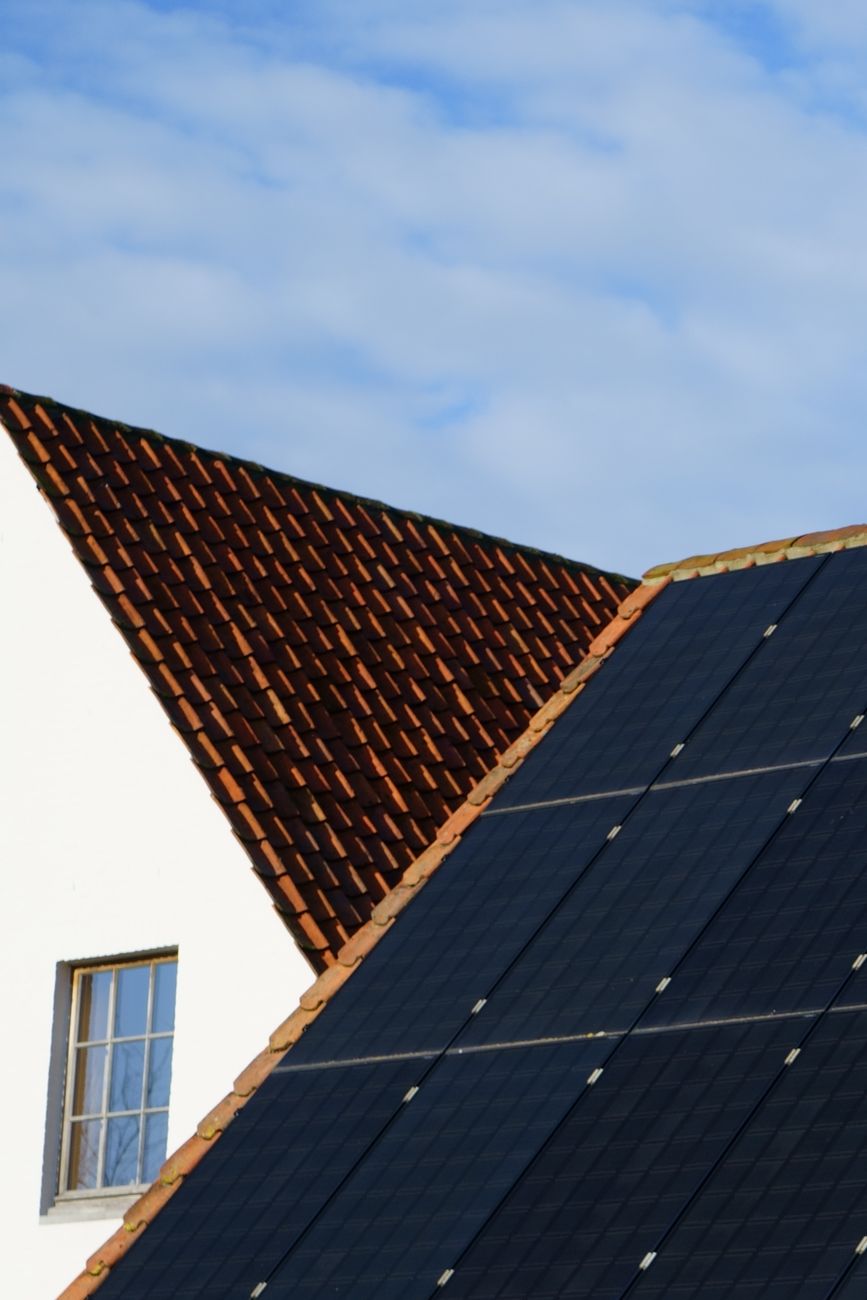
A solar salesperson knocked on my door last spring. Friendly guy. Had a tablet with a very compelling graph showing how much I would save. He made it sound like the panels would pay for themselves in five years and then print money forever.
I almost signed. Then I asked for the actual contract to read overnight. It was thirty-two pages. The graph did not match the fine print. Here is what I learned — and how to figure out if solar actually makes financial sense for your house.
The Real Math (Not the Sales Pitch)
You need four numbers to calculate whether solar is worth it:
- Your average monthly electric bill. Not your highest summer month. Average across twelve months.
- Total installed cost after tax credits. The federal tax credit covers 30% of the cost. Some states add more. The salesperson should give you the net price after all incentives — if they only quote the pre-credit price, they are making the deal look worse than it is or hiding something.
- Estimated annual production in kWh. This depends on your roof orientation, shade, and local sun hours. A reputable installer will provide a production guarantee.
- Your utility’s net metering policy. This is the most important and least discussed number. Some utilities credit you at the full retail rate for excess power you send back to the grid. Some credit you at a much lower “wholesale” rate. Some credit you nothing. Find this out from your utility — not from the salesperson.
Simple formula: (Annual production × your electric rate) + (net metering credits) = annual savings. Divide total installed cost by annual savings to get your payback period.
My Numbers (Why I Did Not Sign)
My average bill: $130/month ($1,560/year). System cost after credits: $14,000. Estimated annual production: 9,500 kWh. My electric rate: $0.13/kWh. My utility’s net metering: they credit at half the retail rate, not full.
Annual savings: (9,500 × $0.13) + roughly $60 in net metering credits = about $1,295/year. Payback period: $14,000 ÷ $1,295 = 10.8 years.
The panels are warrantied for 25 years, so they would eventually pay off. But ten-plus years is a long time. I might sell the house before then. The value solar adds to a home sale is inconsistent — some buyers love it, some see it as a maintenance headache. For me, the math did not justify the commitment.
When Solar Usually Makes Sense
- Your electric rate is high (above $0.18/kWh — common in California, the Northeast, and Hawaii).
- Your roof gets full sun with no shade from trees or neighboring buildings.
- Your utility offers full retail net metering (you get credited at the same rate you pay).
- You plan to stay in your home for at least 10 years.
If all four are true, solar is probably a good deal. If two or fewer are true, run your own numbers carefully. The sales graph almost always assumes ideal conditions. Your actual roof and utility policy may not match.
📋 Quick Summary: Calculate payback: total cost ÷ annual savings. Check your utility’s net metering policy — it dramatically affects ROI. Solar pencils out best with high electric rates, full sun, full retail net metering, and a 10+ year timeline in your home.