Sleep Hygiene Habits I Adopted After Years of Insomnia
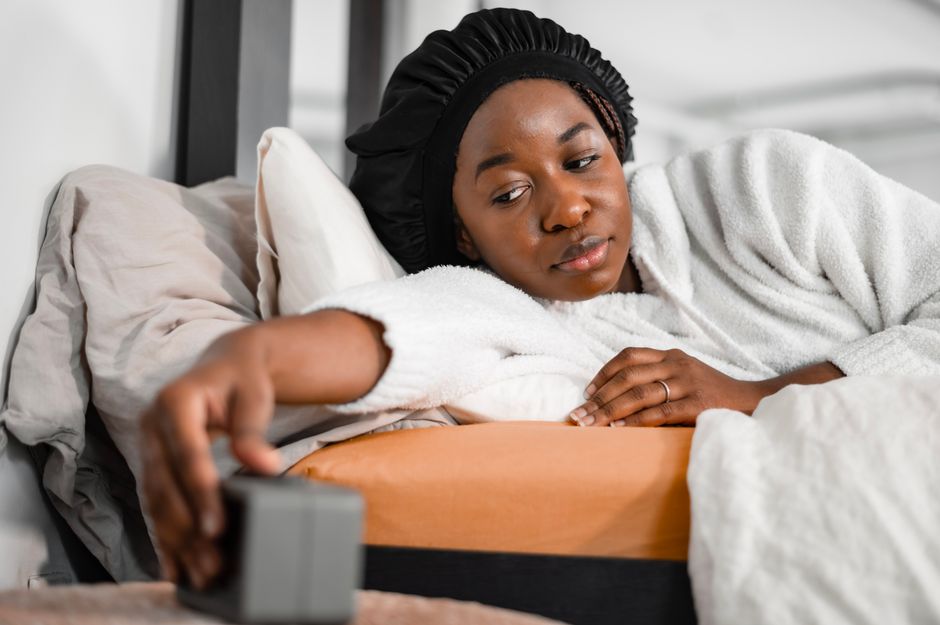
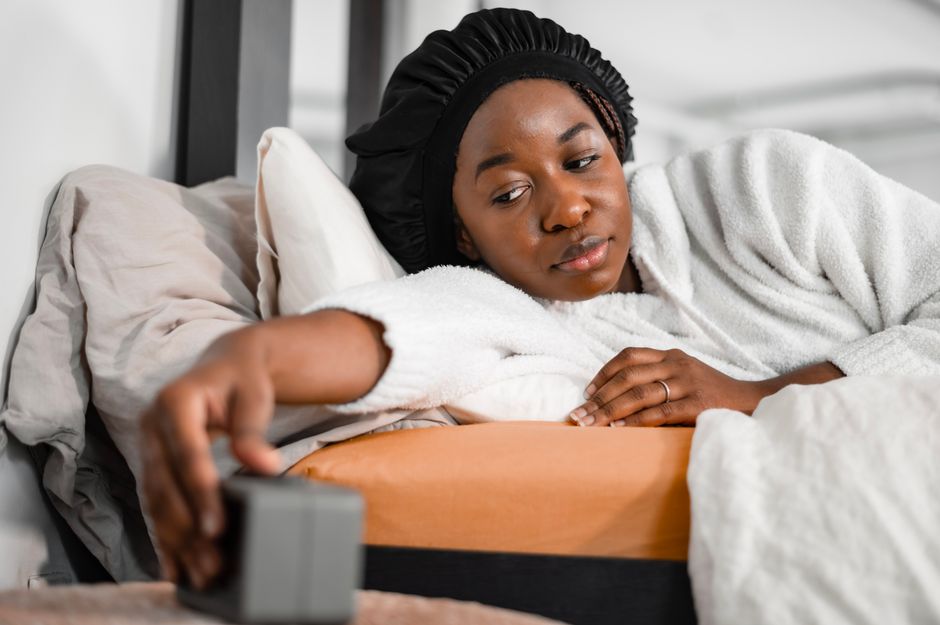
I spent most of my twenties bragging about how little sleep I needed. I would stay up until 1 AM working or scrolling through my phone, wake up at 6:30 AM for work, and function on five or five and a half hours per night. I thought I was fine.
I told myself that some people are just naturally short sleepers, and I was one of them. I was not fine. I was running on caffeine and adrenaline, and the bill came due when I hit thirty.
Suddenly, the same sleep pattern that I had maintained for years stopped working. I would lie in bed for hours, exhausted but unable to fall asleep. When I did sleep, I woke up multiple times during the night.
My concentration at work suffered, my mood was unpredictable, and I caught every cold that went around the office. After a particularly bad week where I slept a total of maybe fifteen hours across five nights, I finally took sleep seriously. I read everything I could find about sleep hygiene, and I implemented the changes gradually over about a month.
Here is what actually made a difference
The single most impactful change was fixing my wake-up time. I had been trying to catch up on sleep on weekends by sleeping in until 10 AM, which felt good in the moment but was destroying my sleep rhythm. Your body’s internal clock works best with consistency.
I started setting my alarm for 6:30 AM seven days a week, no exceptions. The first weekend was rough — I was tired and cranky by Saturday evening — but it forced my body onto a regular schedule. Within two weeks, I was naturally waking up around 6:30 AM without the alarm.
The second change was creating a wind-down routine
I used to work right up until bedtime, close my laptop, and expect my brain to switch off like a light. That is not how brains work. Now, at 9:30 PM, I shut down all screens.
No phone, no laptop, no TV. I spend the next hour doing deliberately low-stimulation activities: reading a physical book, doing some light stretching, writing in a journal, or just sitting quietly with a cup of herbal tea. This signals to my brain that the day is ending and prepares it for sleep.
I also addressed my bedroom environment
I bought blackout curtains because even the small amount of light from streetlamps outside was disrupting my sleep. I set the thermostat to 65 degrees at night — cool temperatures promote better sleep. I got a white noise machine to mask the sounds of traffic and the neighbor’s dog.
My bedroom became a sleep sanctuary, used only for sleep and nothing else. The caffeine rule was a hard one to accept. I love coffee, and I used to drink it throughout the day, including a cup around 4 PM to get through the afternoon.
Caffeine has a half-life of about five hours, which means that 4 PM coffee was still affecting my nervous system at 9 PM. I now stop caffeine at noon, no exceptions. The first week without afternoon coffee was difficult, but my sleep quality improved so dramatically that it was clearly worth the trade-off.
The final piece was learning to stop fighting insomnia when it did occur. On the occasional nights when I still could not fall asleep after twenty minutes in bed, I used to lie there getting more and more anxious about how tired I would be the next day. That anxiety made sleep impossible.
Now, if I am still awake after twenty minutes, I get up and go to the living room. I read a boring book or listen to a calm podcast until I feel genuinely sleepy, then return to bed. This breaks the association between bed and frustration, and I usually fall asleep within minutes of returning.
I now sleep seven to eight hours most nights, and the difference in how I feel is hard to overstate. My memory is sharper, my mood is more stable, I recover from workouts faster, and I rarely get sick. The habits took about a month to feel natural, but they have given me back something I did not even realize I was missing.
📋 Quick Summary
- After a particularly bad week where I slept a total of maybe fifteen hours across five nights, I finally took sleep seriously.
- Here is what actually made a difference.
- The single most impactful change was fixing my wake-up time.
- Your body’s internal clock works best with consistency.
- I set the thermostat to 65 degrees at night — cool temperatures promote better sleep.