Fire Pit Safety Tips Every Backyard Needs Before You Light That First Fire
My neighbor Dave lit his fire pit on a windy October evening. An ember landed on his cedar shake roof. He did not notice for ten minutes. By the time the fire department arrived, he had $15,000 in damage and a very awkward relationship with his home insurance agent.
I think about Dave every time I light my fire pit now. Here is what I do differently.
Check the Wind Before You Light
If wind is above 10 mph, do not light the fire. Wind picks up embers and carries them to places you cannot see — roofs, dry grass, the neighbor’s woodpile. Most hardware stores sell cheap handheld wind meters for under $15. Or just use a weather app on your phone.
Clearance Is Everything
Your fire pit needs at least 15 feet of clearance in every direction. No overhanging branches. No deck railings. No patio furniture. No propane tanks. I marked 15 feet with stakes in my yard so I can see the boundary at a glance. It feels like overkill until you see how far sparks actually travel.
What Goes Under the Pit
Place your fire pit on a non-combustible surface — concrete, brick, gravel, or bare dirt. Never on a wooden deck, even with a heat shield. Never on dry grass. I put down a ring of gravel about three feet wider than the pit itself. It catches stray sparks before they hit anything flammable.
Have a Shut-Down Kit Ready
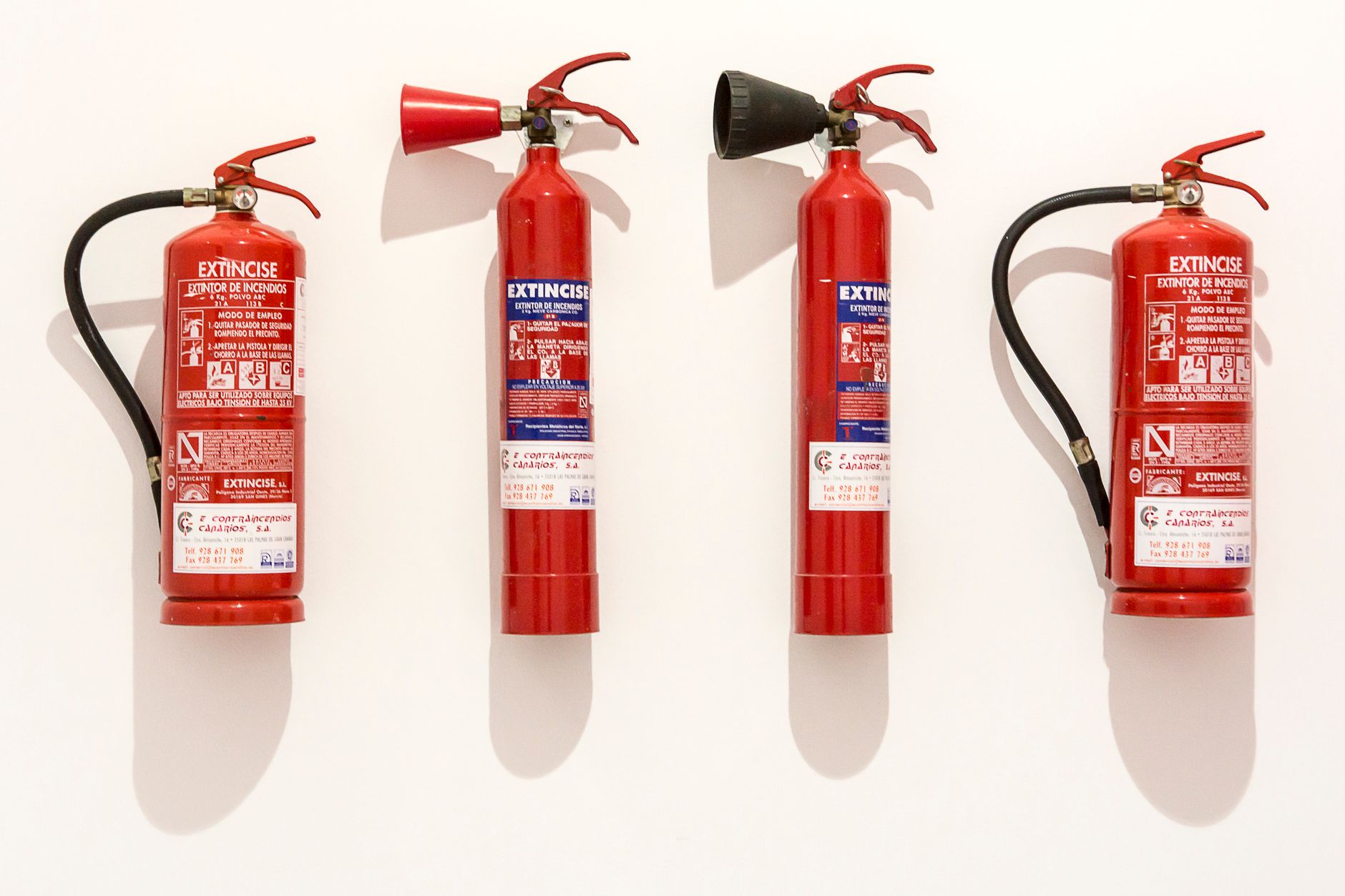
Before you light the fire, have these three things within arm’s reach: a fire extinguisher rated for Class A fires, a garden hose turned on with a spray nozzle attached, and a metal bucket of sand. If something goes wrong, you have seconds to react — not minutes to go find equipment.
Put It Out Completely
Douse the fire with water, stir the ashes with a shovel, douse again. If the ashes are too hot to touch with the back of your hand, the fire is not out. Never leave a fire pit smoldering overnight. Never bury hot coals with sand — they can stay hot for 24 hours and reignite.
Quick Summary: Check wind speed before lighting, maintain 15 feet of clearance in all directions, place the pit on a non-combustible surface, keep fire extinguisher/hose/sand bucket nearby, and always verify ashes are cold to the touch before leaving.