Season a Cast Iron Skillet the Foolproof Way
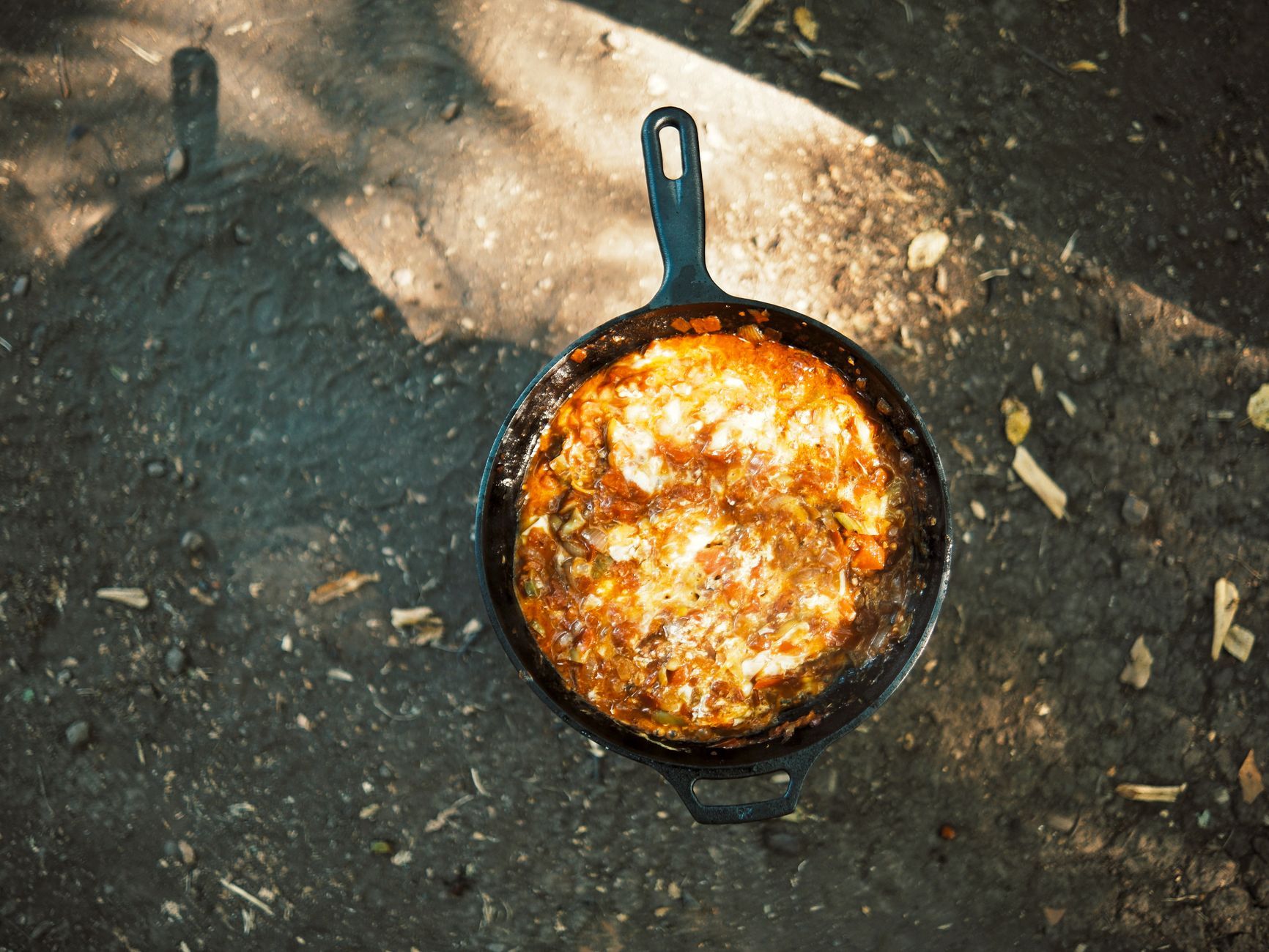
I ruined my first cast iron pan. Not “kind of messed it up” — full-on rust bucket, crusty black flakes peeling into my eggs, the whole disaster. I scrubbed it with soap and steel wool because I did not know any better. My grandmother would have disowned me.
Eight years and about a dozen pans later, I have figured out what actually matters and what is just cast iron mythology. Here is the real deal.
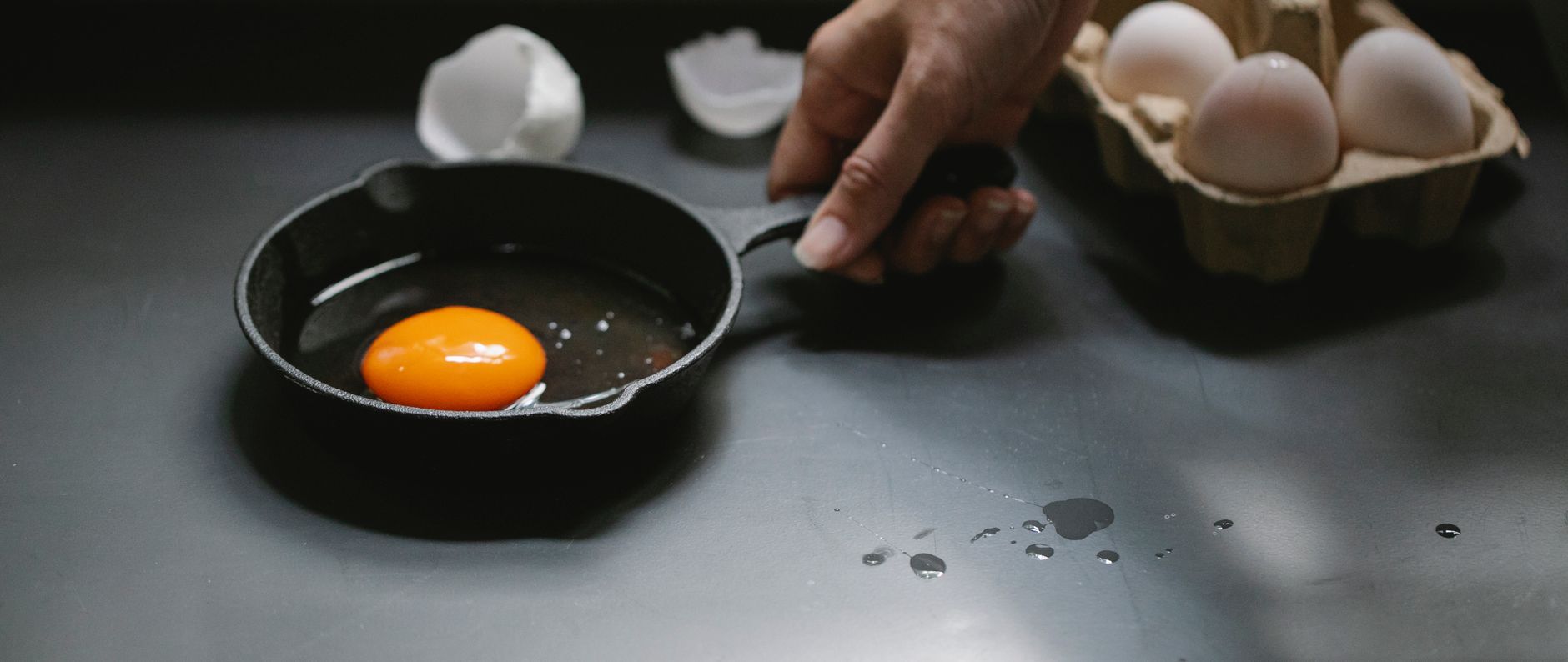
The One Rule That Actually Matters
Seasoning is not some mystical process. It is baked-on oil that has turned into a polymer. That is it. When you heat oil past its smoke point on iron, it bonds to the surface and creates a slick, non-stick layer. Every other piece of advice flows from this one fact.
The biggest mistake I see — and the one I made for two years — is using way too much oil. You want the thinnest layer possible. Pour a few drops in, rub it everywhere with a paper towel, then grab a clean towel and wipe it off like you made a mistake. You cannot wipe off too much. The microscopic layer that remains is exactly what you need.
Oven Seasoning vs Stovetop
Both work. I mostly do stovetop now because I am lazy.
Oven method: Thin oil layer, upside down in a 450°F oven for one hour. Put foil on the rack below to catch drips. Let it cool in the oven. This is best for a full reseason or a new pan.
Stovetop method: Thin oil layer, heat on medium until it stops smoking. I do this after every few uses. Takes five minutes. The pan gets slightly darker and slicker each time.
I season my daily driver pan maybe once a month. The pan I use once a week gets it quarterly. You do not need to season after every meal.
What Oil to Use
I use regular vegetable oil. Canola, grapeseed, soybean — any neutral oil with a high smoke point. Flaxseed oil has a cult following online but flakes off after a few months in my experience. Crisco works great and costs almost nothing. Do not use olive oil — the smoke point is too low and it leaves a sticky residue.
Cooking Builds Seasoning
Here is what nobody told me: cooking is the best seasoning. Frying potatoes, searing steaks, sautéing onions — every time you cook with a little fat, you are building the seasoning. A pan that gets used daily needs almost no maintenance.
The pan I bought at a garage sale for three dollars had better seasoning than my brand-new Lodge because someone had cooked in it every day for fifteen years.
Cleaning Without Ruining It
I use hot water and a chainmail scrubber. That is it. No soap needed — but a drop of mild dish soap will not hurt a well-seasoned pan, despite what the internet says. Modern soap does not have lye. The real enemy is soaking it in water and putting it away wet.
After washing, I put it back on the burner for 30 seconds to dry completely. Then a tiny drop of oil wiped around if it looks dull. Done.
What to Do With Rust
If your pan has rust spots, do not throw it away. Scrub the rust off with steel wool, wash it, dry it immediately, and reseason. Cast iron is almost impossible to destroy permanently. I have rescued pans that looked like they came off a shipwreck.
📋 Quick Summary: Wipe oil on until it looks like you wiped it all off, heat past the smoke point, and cook in it often. That covers 95% of cast iron care.