Replace Wired Smoke Detectors the Right Way
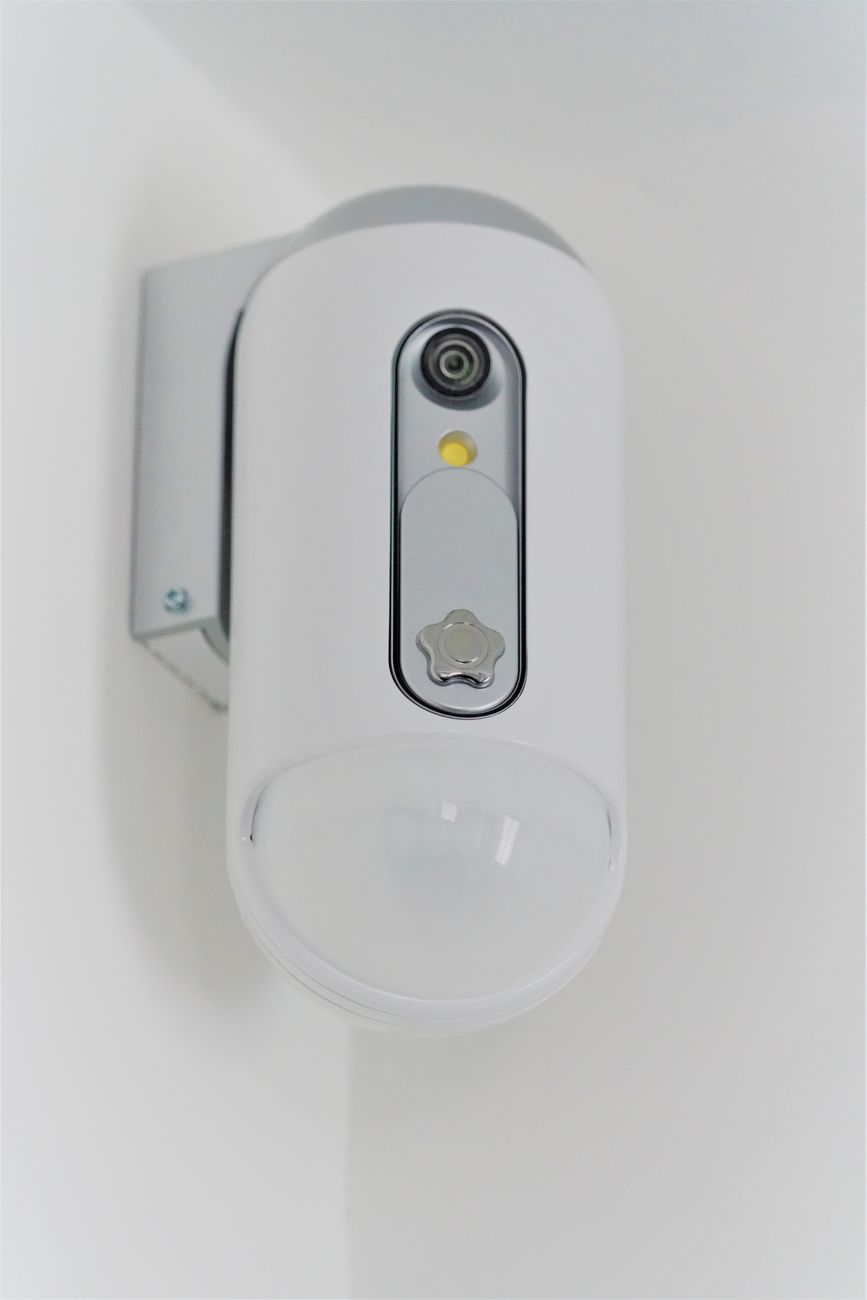
Smoke detectors expire. Most people do not know this. The sensor inside degrades after about ten years. If your smoke detector is older than that, it might not detect smoke at all — or it might start false-alarming constantly.
Replacing a hardwired smoke detector is about fifteen minutes of work. The key is doing it in the right order so you do not trip a breaker or leave a loose wire.
Before You Touch Anything
- Turn off the breaker. Smoke detectors are on a dedicated circuit or shared with a bedroom circuit. Check your breaker panel labels. If unsure, turn off the main breaker — fifteen minutes of darkness is better than a shock.
- Test that power is off. Use a non-contact voltage tester. Touch it to the wires after you remove the old detector. If it beeps, the power is still on.
- Check your existing connector. Most hardwired detectors use a three-wire plug: black (hot), white (neutral), and red or yellow (interconnect — this makes all alarms go off when one detects smoke).
Installing the New Detector
Buy the same brand as your existing detectors. The wiring harness plug is usually brand-specific. Mixing brands means splicing wires instead of just plugging in the new connector, which is more work and more room for error.
- Remove the old mounting bracket from the ceiling.
- Install the new bracket that came with the new detector. The screws go into the electrical box.
- Plug the wiring harness into the new detector.
- Attach the detector to the mounting bracket with a twist.
- Turn the breaker back on.
- Press the test button. All interconnected alarms in the house should sound.
The Battery Backup
Hardwired detectors still need a battery for backup power during outages. The new detector probably comes with a battery or a battery drawer. Do not skip this. A hardwired detector with no backup battery is useless during a fire that trips the breaker.
Some newer models have a sealed 10-year lithium battery built in. If yours does, you do not need to replace the battery — just replace the whole unit when it expires.
One Mistake I Made
I once replaced a detector and forgot to check whether the interconnect wire was properly seated. The new detector worked — it tested fine — but it would not trigger the other detectors in the house. I only discovered this months later when I burned toast and only the kitchen alarm went off.
After installing, test the interconnect. Press the test button on the new detector and walk through the house. Every alarm should be sounding.
📋 Quick Summary: Turn off the breaker first. Buy the same brand for plug-compatible wiring harness. Test the interconnect — all alarms should sound together. Do not skip the backup battery.