Remove Rust Stains from Bathroom Sinks Using a Single Kitchen Ingredient
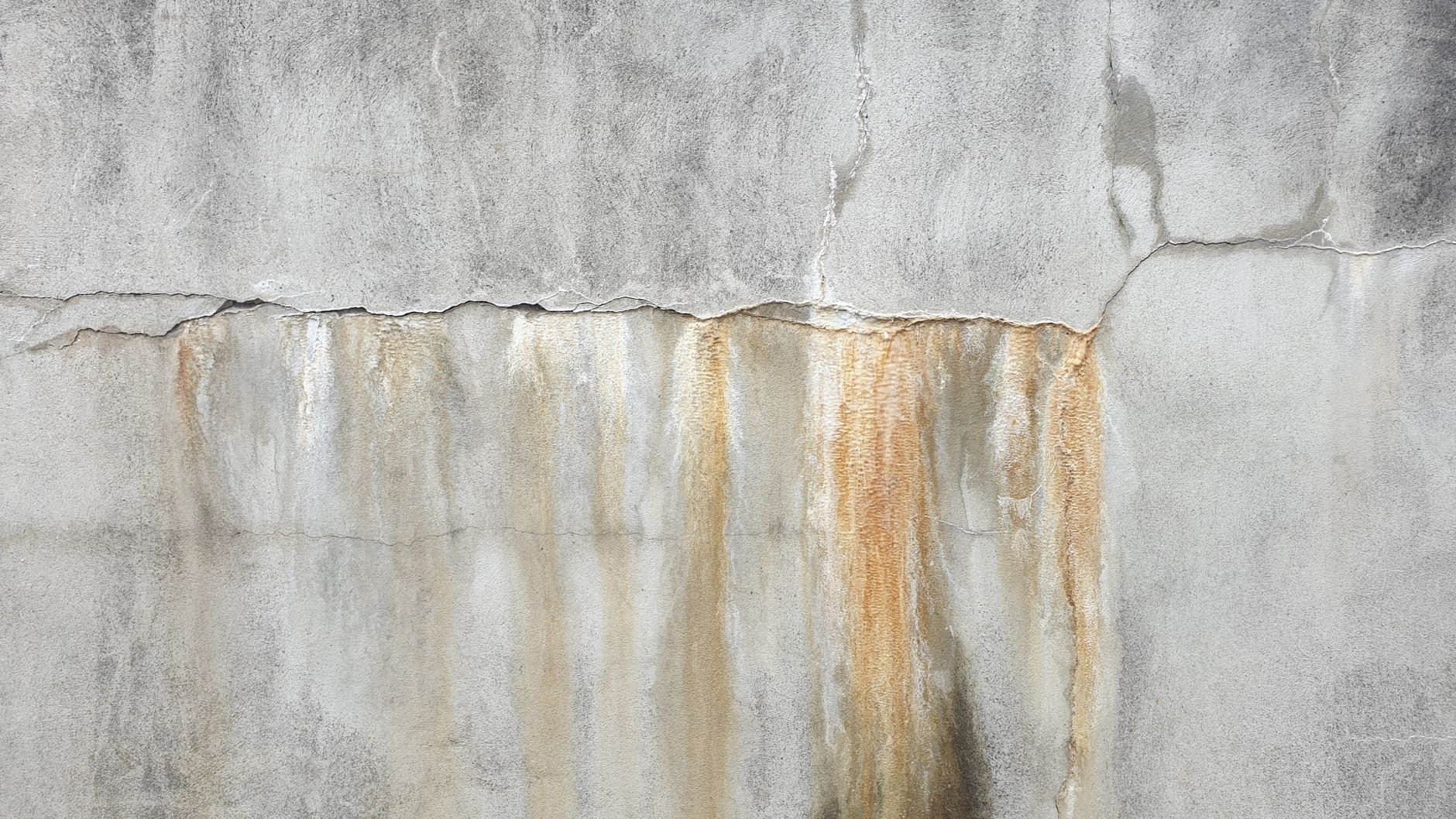
The first time I saw a rust stain in my bathroom sink I panicked. I thought the porcelain was ruined. I almost called a plumber — which would have been an expensive mistake for something that takes a lemon and some salt to fix.
Rust stains are just iron deposits oxidizing on the surface. Acid dissolves them. The strongest cleaning acid you probably have in your kitchen right now is a lemon.
How the Lemon Trick Works
Cut a lemon in half. Sprinkle coarse salt on the cut side — the salt acts as a gentle abrasive. Scrub the rust stain with the salted lemon half, squeezing slightly as you go to release more juice.
The citric acid breaks down the rust while the salt scrubs it away. For small stains, it works in about 30 seconds of scrubbing. For bigger ones, let the lemon juice sit on the stain for 10 minutes first, then scrub.
For Stubborn Stains
If the lemon and salt is not cutting it — I had one stain near the faucet base that had been there since we moved in — make a paste of baking soda and white vinegar. Spread it on, let it fizz for 15 minutes, then scrub with an old toothbrush.
The combination of acid (vinegar) and abrasive (baking soda) tackles thicker rust buildup. Rinse thoroughly after — you do not want baking soda residue drying into a white film.
What Not to Use
Do not use steel wool on porcelain. I did this once and scratched the finish permanently. The scratches trap dirt and eventually look worse than the rust stain you were trying to remove. Stick to soft scrubbers — sponge, cloth, or nylon brush.
Also skip bleach. Bleach can actually set rust stains rather than remove them because of the chemical reaction between chlorine and iron. Counterintuitive but true.
📋 Quick Summary: Half a lemon with salt scrubs away rust stains on porcelain — the citric acid dissolves iron deposits without harsh chemicals.