Reduce Eye Strain When Working on Screens All Day
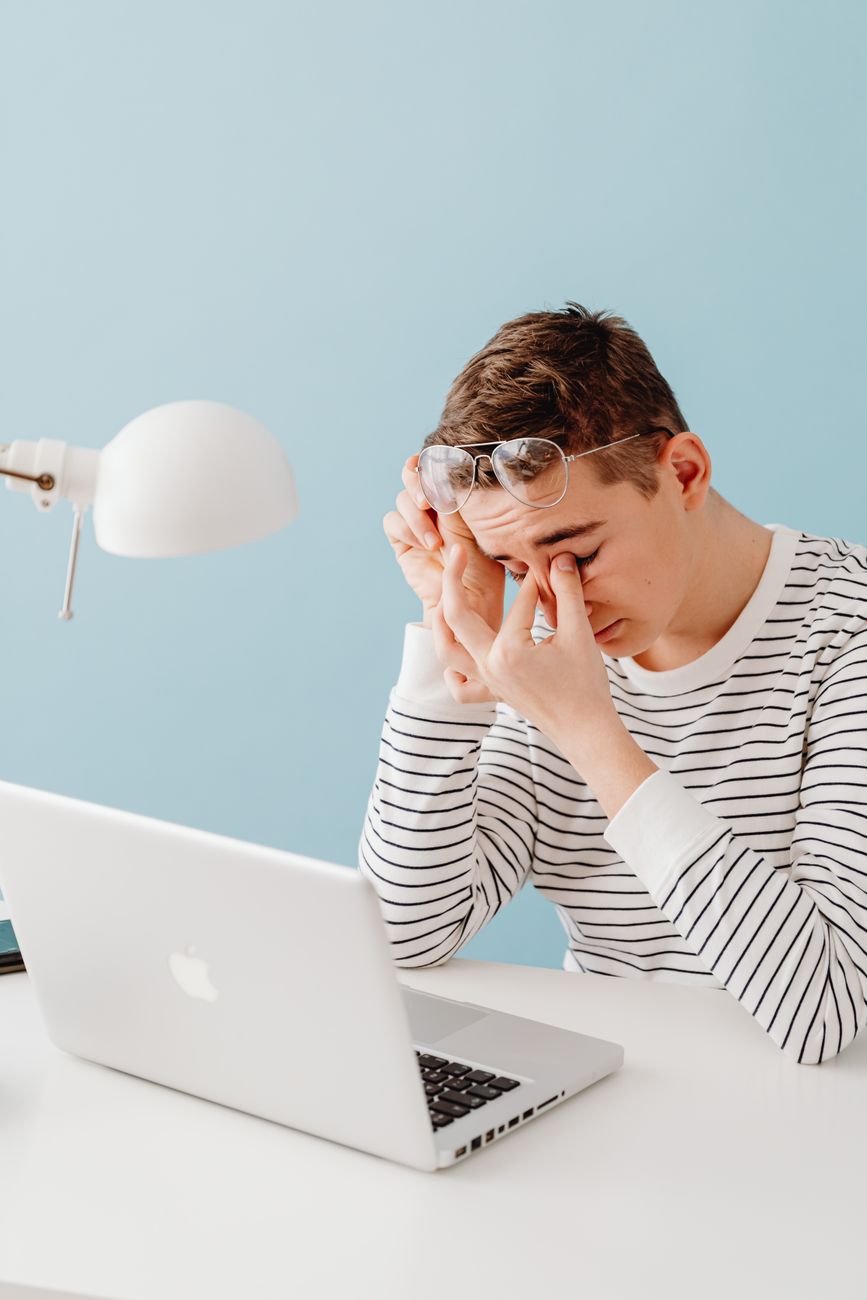
Around 2 PM every day my eyes would start burning. By 4 PM I had a headache starting behind my right eye that crept across my forehead like a slow fog. I tried eye drops, drinking more water, taking a walk. Nothing helped. Finally my optometrist asked how many hours a day I looked at a screen. I told her. She nodded like she heard this exact answer five times a day.
Why your eyes hurt — the real reason
It is not the screen itself. It is that you stop blinking. Normal blink rate is about fifteen times per minute. When you stare at a screen, it drops to five or six. Your tear film evaporates. Your eyes dry out. The muscles that focus your lens stay locked in one position — close focus — for hours without a break. They cramp, same as any muscle held in one position too long.
Blue light gets all the attention in marketing, but it is a minor factor. The studies on blue light and eye damage are inconclusive at best. The dryness and muscle fatigue are what actually hurt.
The 20-20-20 rule that actually works if you do it
Every twenty minutes, look at something twenty feet away for twenty seconds. That is it. The optometrist told me this and I nodded and ignored it for two years. Then I set a timer on my phone that went off every twenty minutes. It was annoying. But my headaches stopped within a week.
The twenty-second part matters. It takes about twenty seconds for your ciliary muscles — the ones that reshape your lens to focus — to fully relax. Ten seconds is not enough.
Setup changes that cost nothing
- Screen at arm’s length. If you can touch your monitor with your fingertips while sitting back, it is too close. Push it back.
- Top of the screen at eye level or slightly below. Looking down about fifteen degrees keeps your eyelids partially closed, which reduces tear evaporation.
- Reduce overhead lighting. Glare from ceiling lights reflecting off your screen forces your eyes to work harder. A desk lamp pointed at the wall behind the monitor is easier on your eyes than overhead fluorescents.
- Dark mode is not a cure. For some people it helps. For others — especially people with astigmatism — white text on black background creates halation, a kind of blurry glow that is harder to read. Try both. Use what feels better after an hour, not what looks cooler.
Artificial tears, not anti-redness drops
The eye drops that claim to “get the red out” work by constricting blood vessels. They do nothing for dryness. In fact, they can make it worse over time. Look for preservative-free artificial tears — single-use vials are best. Use them before your eyes start hurting, not after. Prevention is easier than relief.
My 2 PM headache is gone. The timer still drives me a little crazy. But I will take annoying beeps over throbbing temples any day.
Quick Summary: Follow the 20-20-20 rule: every 20 minutes, look 20 feet away for 20 seconds. Keep screen at arm’s length, top edge at eye level. Use preservative-free artificial tears before eyes hurt.