Patch Cracks in Plaster Walls Like an Old House Pro
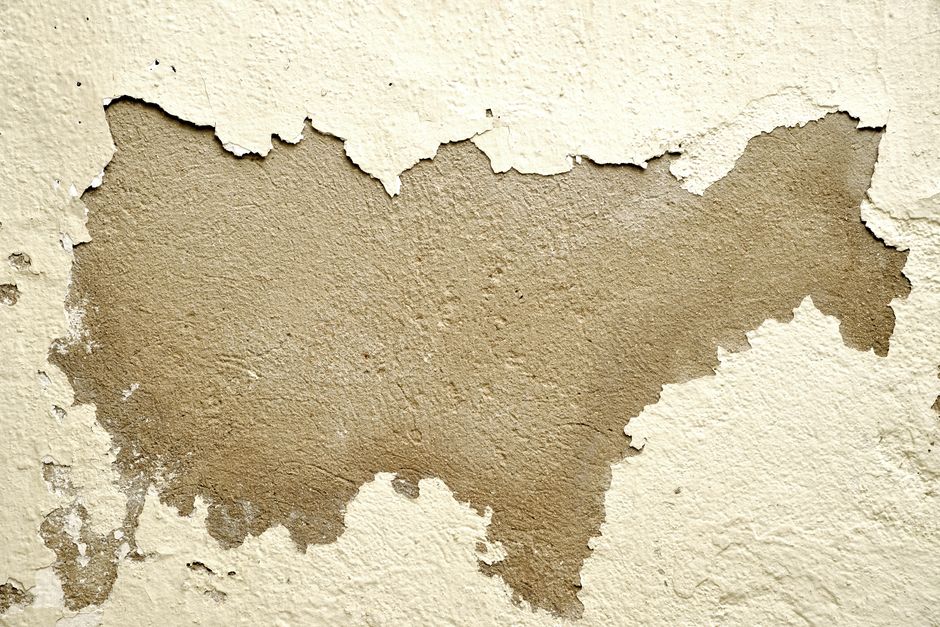
My apartment was built in 1947. The walls are plaster over lath — not drywall. When a crack appeared above the bedroom door and kept growing, I called a plaster guy. He quoted me $400. I fixed it myself for $25 and you cannot tell there was ever a crack there.
Plaster vs Drywall — Know the Difference
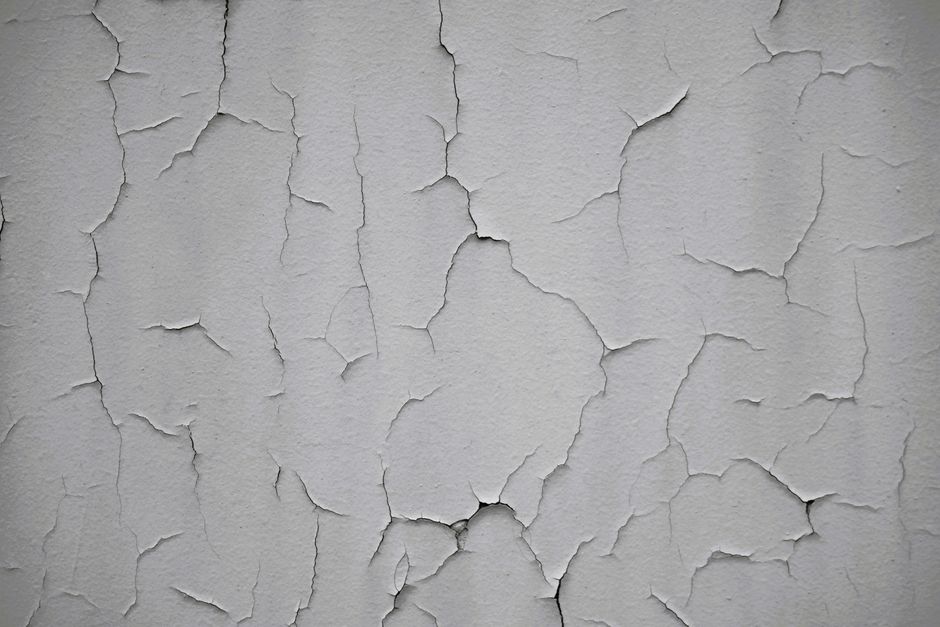
Tap the wall. If it sounds hollow, it is drywall. If it feels solid and sounds dense, it is plaster. Plaster cracks differently than drywall — it often means the plaster has separated from the lath behind it. Filling the crack with spackle works for about a month before it reappears.
The Right Way to Fix a Plaster Crack
- Widen the crack with a utility knife. Cut a V-shaped groove — wider at the bottom than the top. This gives the patch material something to grip.
- Vacuum out all the dust. Spray the crack lightly with water — dry plaster sucks moisture out of patching compound and weakens the bond.
- Apply plaster washers (small metal discs with holes) along both sides of the crack, screwed into the lath behind the plaster. These reattach the loose plaster to the wall. Space them every 6-8 inches.
- Fill the crack with setting-type joint compound (the powder you mix with water, not the pre-mixed tub). It hardens chemically, not by drying, so it will not shrink back.
- Embed fiberglass mesh tape over the crack while the compound is wet. Cover with a second coat.
- Sand smooth once fully dry. Prime and paint.
📋 Quick Summary: Widen crack to V-shape. Use plaster washers to reattach loose plaster to lath. Setting-type compound (powder) — not pre-mixed spackle. Mesh tape embedded in wet compound. This fix lasts, spackle alone will crack again in weeks.