Paint a Room Without Taping the Edges
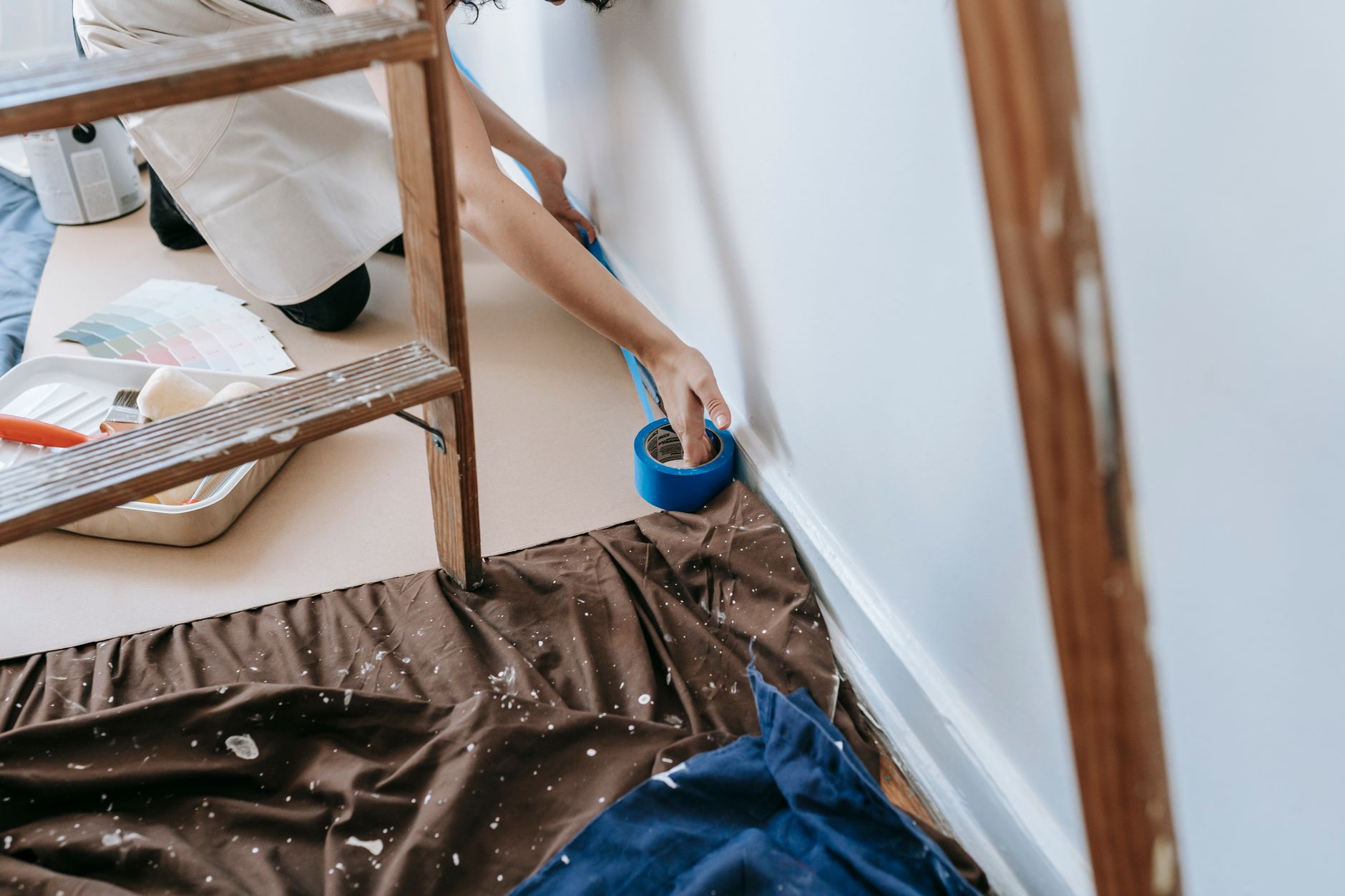
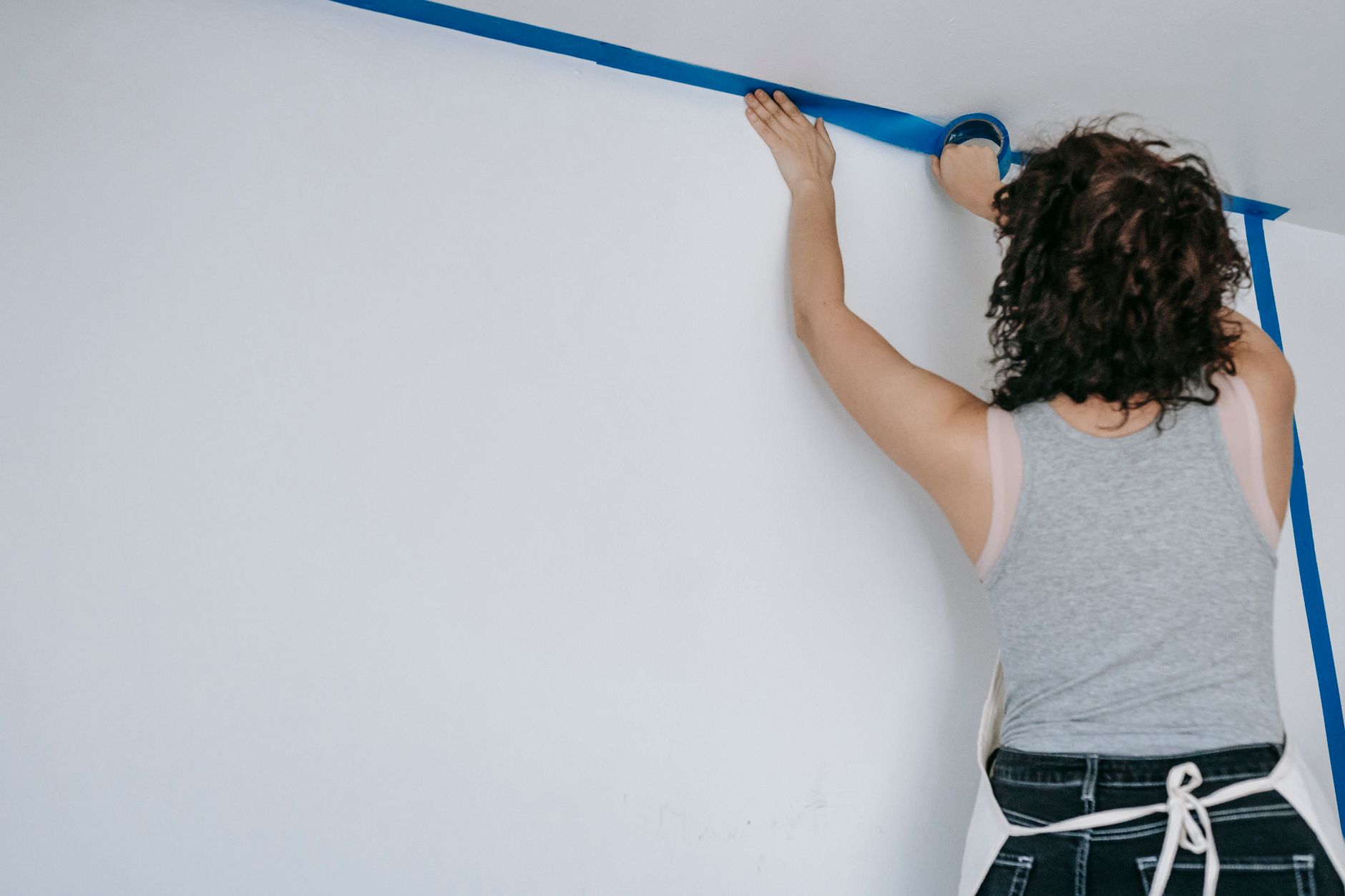
Taping a room for painting takes almost as long as the painting itself. I spent two hours once taping every baseboard, window frame, and ceiling edge in a bedroom — only to peel the tape off afterward and find that paint had bled underneath in a dozen places anyway. The tape took longer than painting and still did not work perfectly.
I learned to cut in by hand. It took practice, but now I can paint a room faster without tape than I ever could with it. Here is exactly how.
The Right Brush Changes Everything
A quality angled sash brush — 2 or 2.5 inches — is the tool that makes hand-cutting possible. The angled bristles let you paint a straight line by using the tip, and the flagged bristle tips hold more paint so you are not constantly reloading. Cheap brushes do not hold their shape and will never give you a clean line. Spend fifteen dollars on a good brush — it lasts for years if you clean it properly.
Load the Brush Correctly
Dip only the first third of the bristle length into the paint. Tap it against the side of the can — do not wipe it across the rim, that removes too much paint and creates a mess. You want the bristles loaded but not dripping. The paint should come about halfway up the bristles, with the tips well-coated and the base clean.
The Cutting Technique
Start about a quarter inch away from the edge you are cutting. Press the brush against the wall so the bristles fan out slightly, then push a small bead of paint toward the edge. The leading tip of the angled brush should ride right along the trim or ceiling line. Work in two-foot sections — load the brush, paint a two-foot run, reload. Keep a damp rag in your other hand to wipe any mistakes immediately. After painting a few rooms this way, you will be faster and cleaner than tape.
📋 Quick Summary: Use a quality 2-inch angled sash brush, load only the first third of bristles, start a quarter inch from the edge and push paint toward it, work in two-foot sections, keep a damp rag handy for mistakes.