Outdoor Security Cameras That Survive Winter
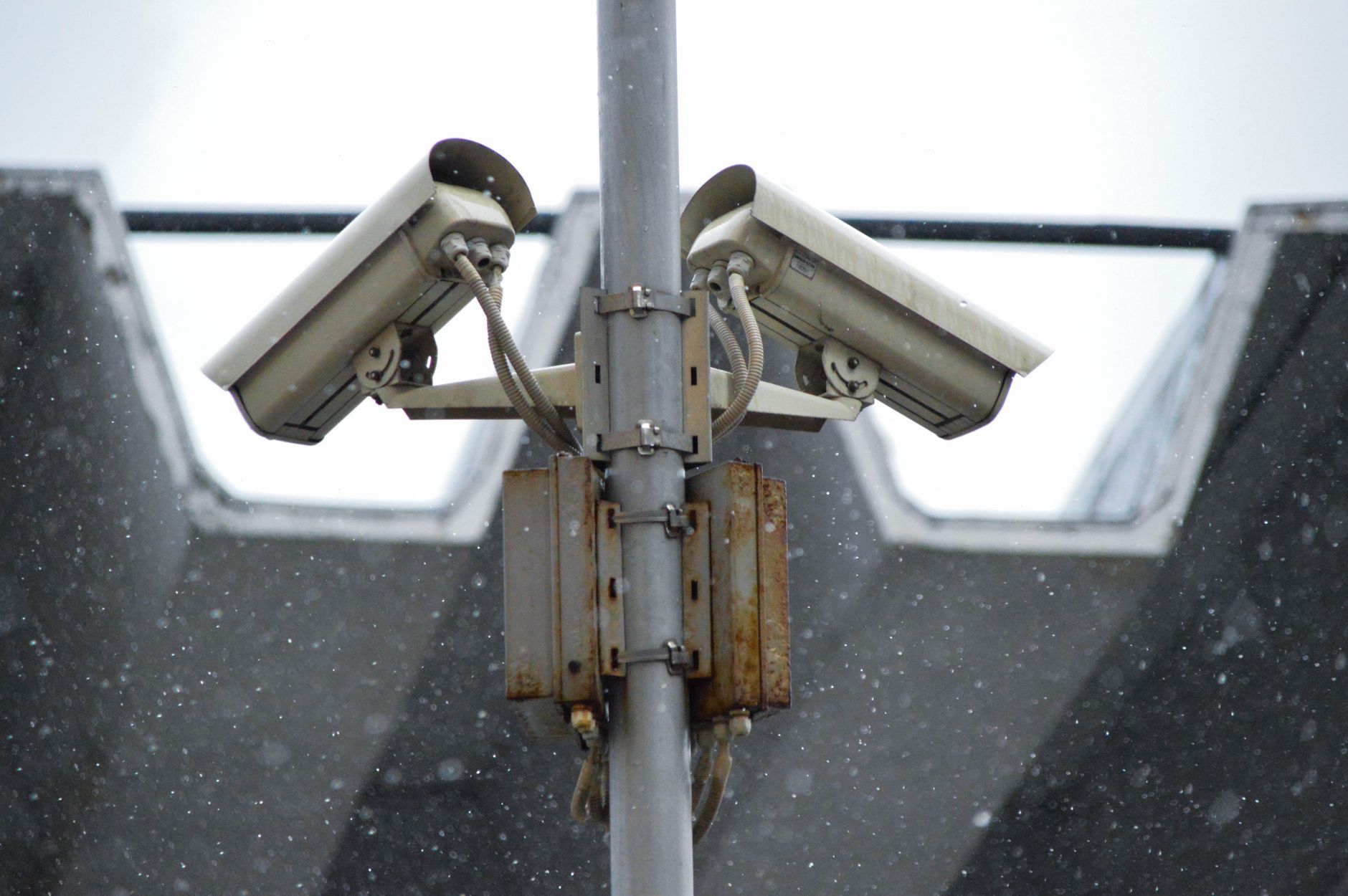
My first outdoor camera died in February during a cold snap. The temperature hit -15°F and the camera — rated to -4°F — shut down like it was on strike. I did not discover this until I checked footage of a package theft and found a black screen and a timestamp.
Winter is the stress test for outdoor cameras. Cold kills batteries. Ice fogs lenses. Snow triggers motion alerts constantly. If you live somewhere with real winters, here is what actually holds up.
Wired vs Battery: Winter Decides for You
In cold weather, battery life drops 30-50%. A battery camera rated for six months might last two when temperatures stay below freezing. If you have existing outdoor wiring or an outdoor outlet nearby, a wired camera avoids this problem entirely. Power over Ethernet (PoE) cameras are the gold standard — one cable carries power and data, no WiFi signal to drop.
If you must go battery-powered, look for cameras with removable batteries so you can swap in a warm spare instead of waiting hours for the internal battery to recharge in a cold outlet.
Temperature Ratings Are Not a Suggestion
Check the operating temperature range, not the marketing copy. Many cameras are rated to -4°F. In Minnesota or North Dakota, that is not enough. Look for cameras rated to -22°F or lower: Reolink, Hikvision, and some Amcrest models. These use internal heaters that kick on below a certain threshold — they draw more power in winter, but they keep recording.
Arlo, Ring, and Eufy battery cameras generally bottom out around -4°F to -5°F. They are fine for moderate winters. They will fail in a deep freeze.
Features That Matter in Winter
Smart motion detection — person/vehicle detection, not just pixel-change. Without it, snow falling triggers motion alerts every five minutes and you ignore the one that matters. Local storage (microSD slot) means your footage survives even if your WiFi goes down during a storm. Wide dynamic range (WDR) helps with snow glare — bright white snow against dark shadows destroys detail on cheap sensors.
After my camera died mid-February, I replaced it with a wired PoE Reolink rated to -22°F. It has survived two winters without a single dropout. I check the feed after every snowstorm, and it is always there.
📋 Quick Summary: Choose wired or PoE cameras for cold climates — batteries die fast in freezing temps. Look for operating ranges of -22°F or lower with internal heaters. Prioritize smart motion detection (not just pixel-change), local storage, and wide dynamic range for snow glare.